Red Lodge Museum
Tudor house museum on Park Row with a carved oak room, Georgian parlour and a knot garden, free to enter and run by Bristol Museums.
Have only individual sections read aloud
About the museum
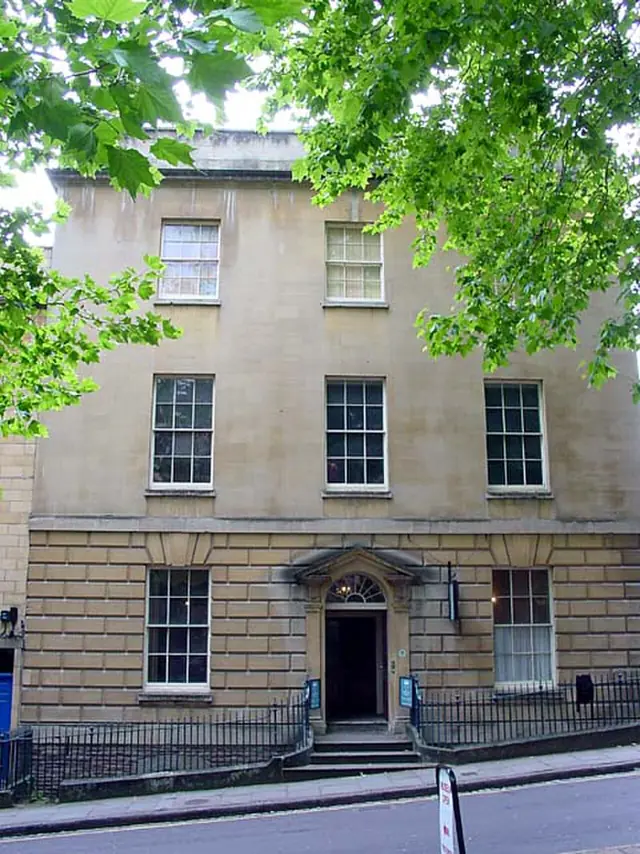
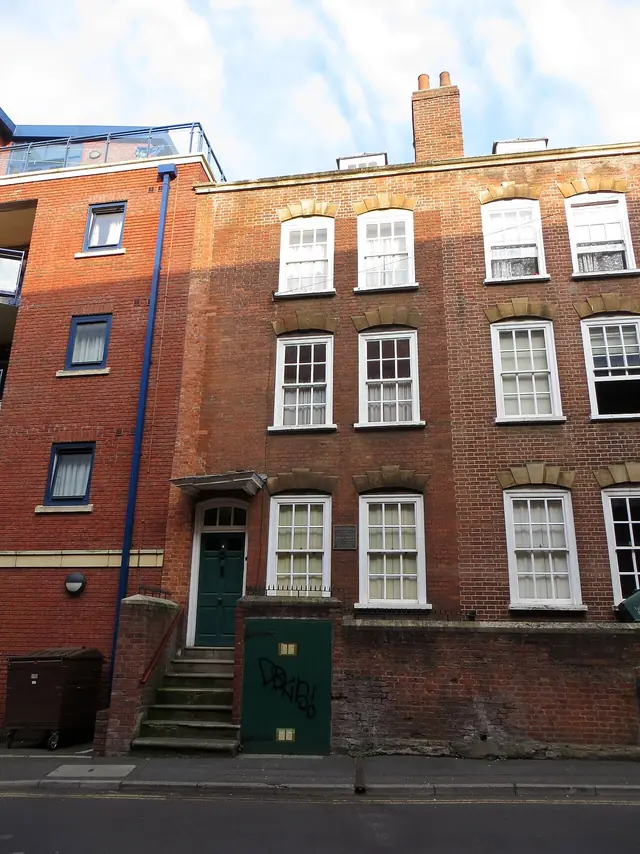
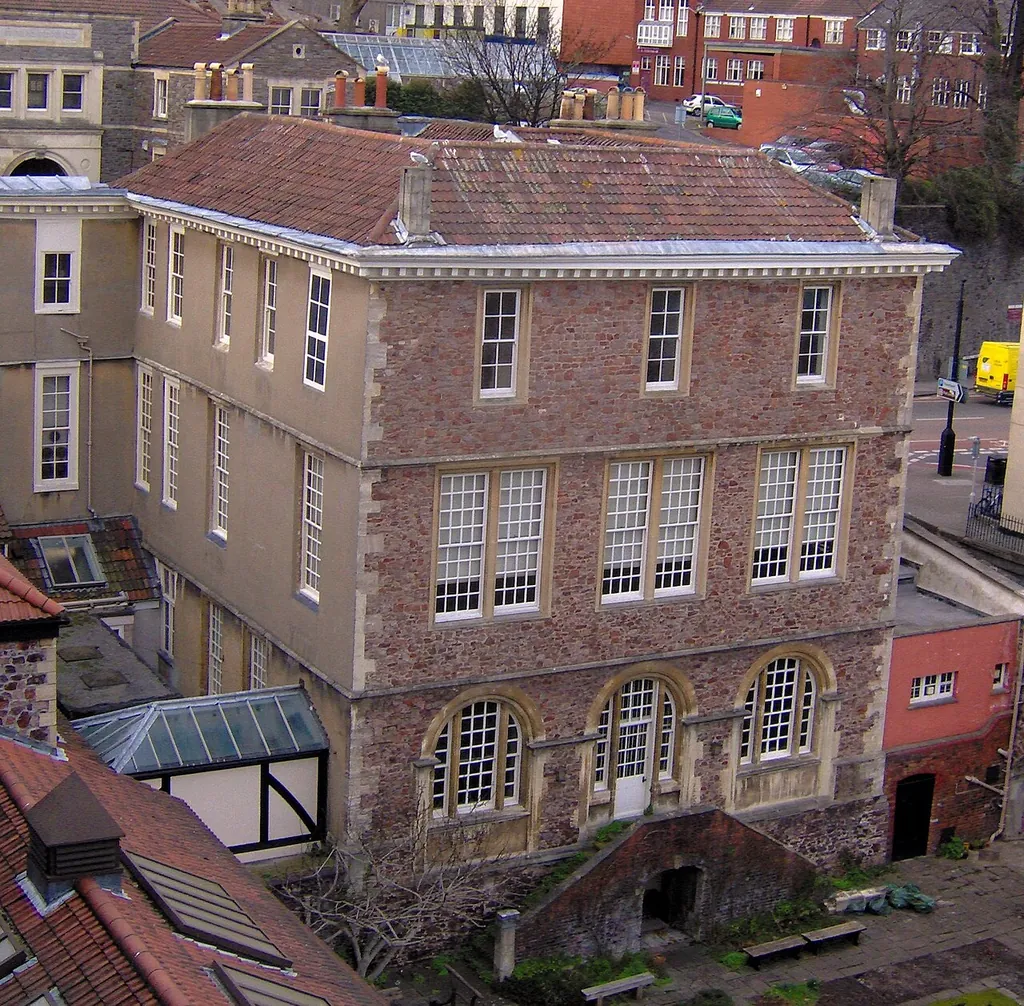
The Red Lodge was begun around 1579 to 1580 as a guest house and entertainment pavilion for the Great House of Sir John Young. Young died in 1589, and his widow, Dame Joan, completed the building. In the 1730s the Henley family extended it on the north side and added large Georgian windows and a full second floor.
In 1854 Lady Byron bought the house and gave it to the social reformer Mary Carpenter, who ran it as a reformatory school for girls until 1917. After that, the interiors were at risk of being sold piece by piece. In 1919 Bristol Corporation took over the building, and it was renovated in 1920 and again in 1956 before opening as a museum.
Today the house is a free museum run by Bristol Museums. Its main attractions are the Great Oak Room, with original Tudor panelling, a moulded plaster ceiling and a double-decker fireplace, and a parlour that combines Georgian and Tudor panelling. A knot garden from the 1980s imitates an Elizabethan design. The building is Grade I listed.
Highlights
- Great Oak Room with Tudor panelling, plaster ceiling and double fireplace
- Parlour mixing Georgian and Tudor panelling
- Knot garden in Elizabethan style
- Former girls' reformatory school of Mary Carpenter
- Free entry
Permanent exhibition
- The Red Lodge Tudor and Georgian rooms – The Great Oak Room with Tudor panelling and a moulded plaster ceiling, a parlour with Georgian and Tudor panelling, and an Elizabethan-style knot garden.
- Operated by
- Bristol Museums
Admission & discounts
Admission is free.
| Groups (10+ people) | –Groups of 10 or more must book in advance. |
|---|
Entry is free; donations are welcome.
Accessibility
- Wheelchair accessible: not available
- Elevator: not available
- Accessible restroom: not available
- Accessible parking: no information
- Service dogs welcome
- Tactile models & exhibits: no information
- Sign language tours: no information
- Easy-to-read materials: no information
- Audio description: no information
Access is restricted because of the age and layout of the house. The main entrance on Park Row leads straight to nine stone steps and then further stairs, with stairs to all floors and to the garden, and there is no accessible toilet; standard toilets on the ground floor have a small step. There is a small space for buggies at the foot of the entrance steps, and visitors should ask staff for help on arrival. Photo folders of the upstairs displays are kept on the ground floor. Visitors with mobility needs can ask in advance for the Lodge Street entrance to be opened to see the garden, but the street is steep and the garden path has uneven slabs. Assistance dogs are welcome, and the museum points to an access guide on the AccessAble website.
Kids & families
- Stroller-friendly: not available
The entrance has steps and the displays are on several floors reached by stairs; there is only a small space for buggies at the foot of the entrance steps.
Getting there & parking
By public transit
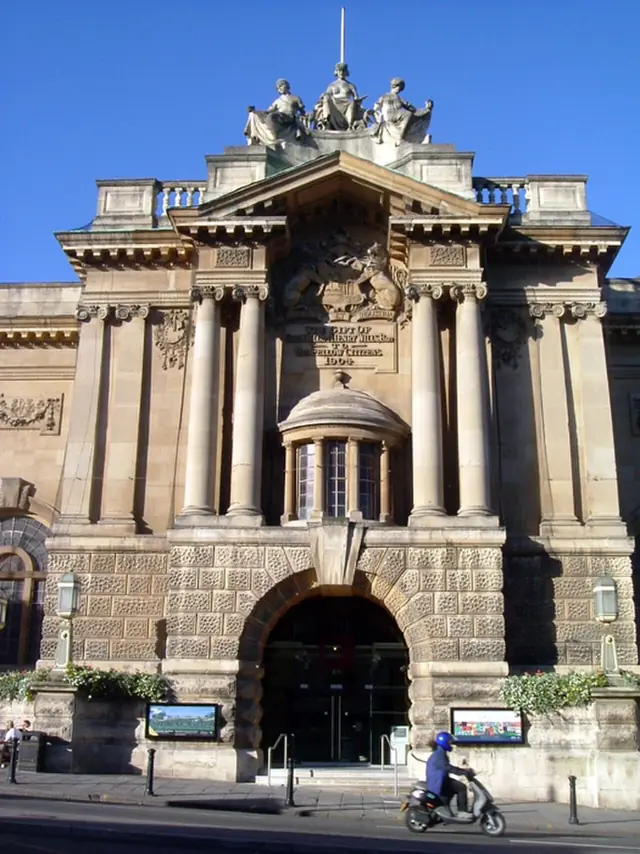
The museum is on Park Row, about a five minute walk from Bristol Museum and Art Gallery.
By car
No on-site parking at the museum.
There is no car park at the museum. The closest public car park is Trenchard Street (BS1 5AN), about a two minute walk away.
Coaches can drop off and pick up on Park Row directly outside the museum.
Get directionsAmenities & dining
- Café: not available
Standard toilets are on the ground floor.
Events & venue rental
The museum hasn’t published any information on this.
Plan your visit
| School programs | yes |
|---|---|
| Good to know | Groups of 10 or more, including school groups, must book in advance because of the layout of the historic building. |