Georgian House Museum
Six-storey Georgian townhouse of 1790 with period rooms and servants' basement, telling the story of the sugar merchant John Pinney and his household; free entry.
Have only individual sections read aloud
About the museum
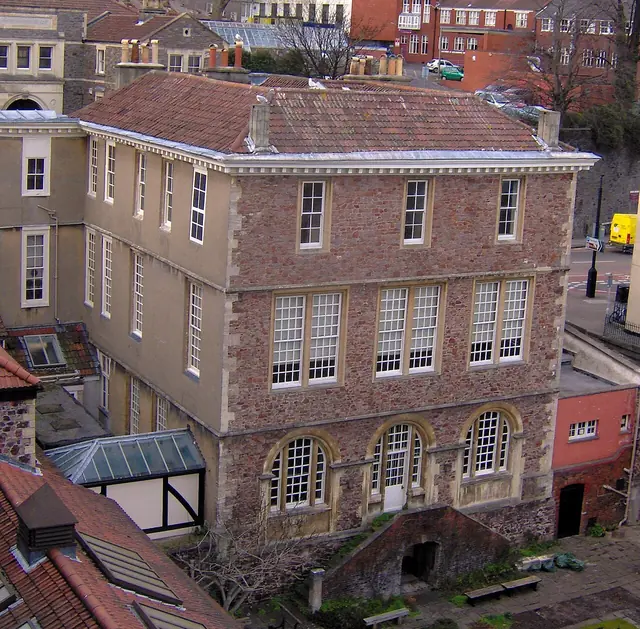
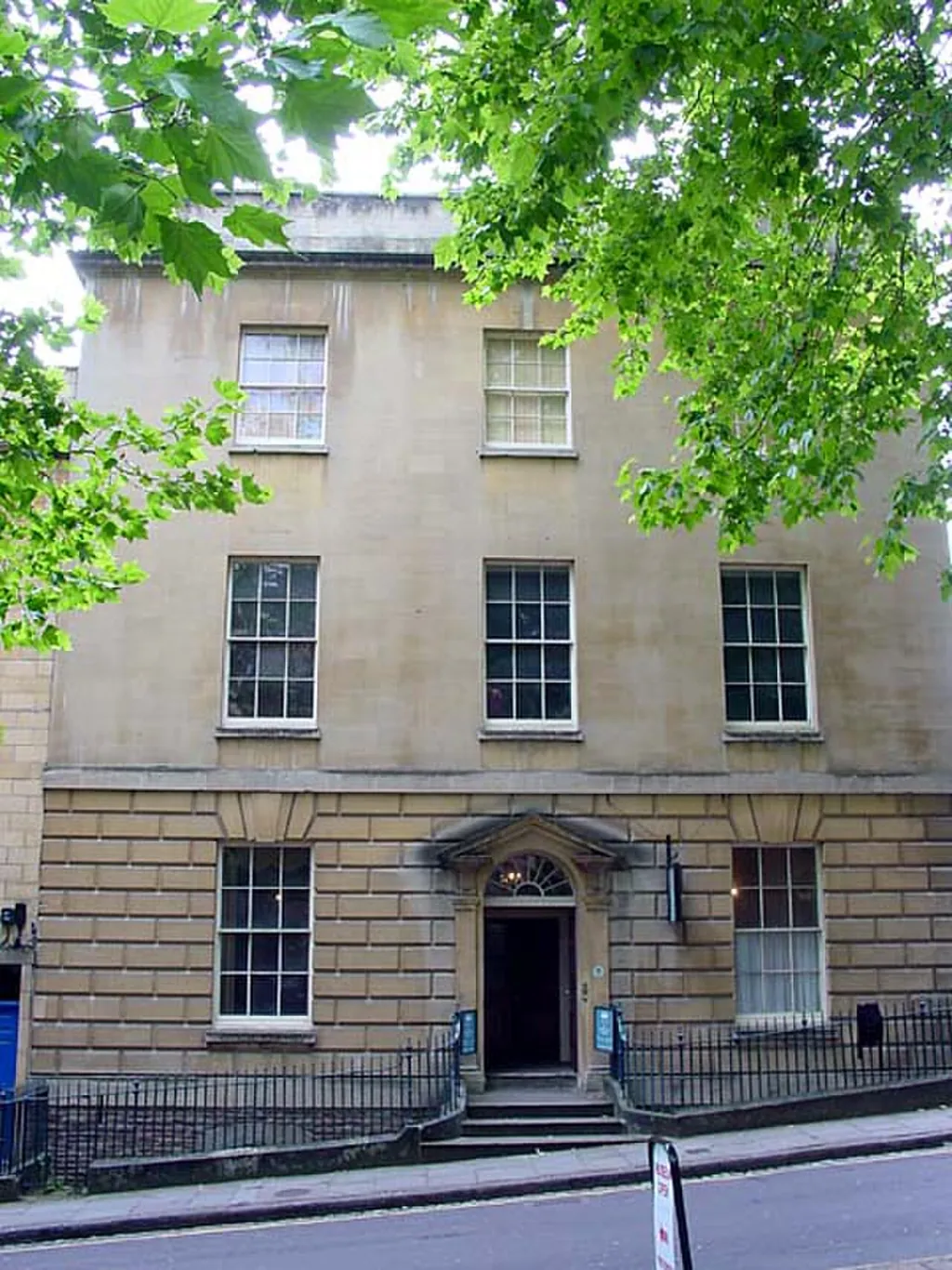
The Georgian House was built around 1790 for John Pinney, a sugar merchant and plantation owner, and designed by the architect William Paty. It is a six-storey townhouse on Great George Street, close to Park Street in central Bristol. Pinney's wealth came from sugar plantations worked by enslaved people, and the house is closely tied to that history.
One of the people Pinney enslaved was Pero Jones, whose name is remembered in Pero's Bridge at Bristol harbour. The museum includes a small display about Pinney's life and that of Pero, alongside the story of the household staff who worked in the house.
The house was presented to the city as a museum in 1937 and has been run by Bristol City Council since then. Rooms are furnished as a typical Georgian town house, with a dining room, drawing room, study with strong room, library and ladies' withdrawing room upstairs, and a kitchen, laundry and housekeeper's room in the basement. Surviving features include a bureau-bookcase in the study and a rare cold-water plunge bath. The building is Grade II* listed.
Highlights
- Furnished Georgian townhouse built around 1790
- Upstairs drawing room, dining room, library and Pinney's study
- Servants' basement with kitchen, laundry and housekeeper's room
- Small display on John Pinney, slavery and Pero Jones
- Rare cold-water plunge bath
- Free entry
Permanent exhibition
- The Georgian House – Period rooms over six floors, from the drawing room and study to the servants' kitchen and laundry, with a small display on John Pinney and Pero Jones.
- Founded
- 1937
- Operated by
- Bristol Museums
Admission & discounts
Admission is free.
| Groups (10+ people) | –Groups of 10 or more must book in advance. |
|---|
Entry is free; donations are welcome.
Accessibility
- Wheelchair accessible: not available
- Elevator: not available
- Accessible restroom: not available
- Accessible parking: no information
- Service dogs welcome
- Tactile models & exhibits: no information
- Sign language tours: no information
- Easy-to-read materials: no information
- Audio description: no information
The house has six storeys, and all floors are reached by stairs. The museum has no toilet and no accessible toilet, and the highlight tours are not suitable for visitors with reduced mobility because of the number of stairs. Assistance dogs are welcome, and the museum points to an access guide on the AccessAble website.
Kids & families
- Family tours & workshops
- Stroller-friendly: not available
Family activities are offered in school holidays. All floors are reached by stairs, so pushchairs are not suitable.
Getting there & parking
By public transit
The museum is halfway along Park Street on Great George Street, a five to ten minute walk from the city centre. Several bus routes run up Park Street and from Clifton Triangle.
By car
No on-site parking at the museum.
There is no car park at the museum. The closest car parks are College Street (BS1 5UY) and Trenchard Street (BS1 5AN), each about a five minute walk away.
Amenities & dining
- Café: not available
- Museum shop
A small shop sells souvenirs and related books. There is no café and no toilet in the building, and eating and drinking (except bottled water) is not allowed inside.
Events & venue rental
The museum hasn’t published any information on this.
Plan your visit
| Guided tours | yes |
|---|---|
| School programs | yes |
| Good to know | Highlight tours are offered at set times. Groups of 10 or more, including school groups, must book in advance. |