Museum of Swaffham
Small volunteer-run museum in a Georgian building in Swaffham, with Howard Carter displays, local social history and a visitor information centre.
Have only individual sections read aloud
About the museum
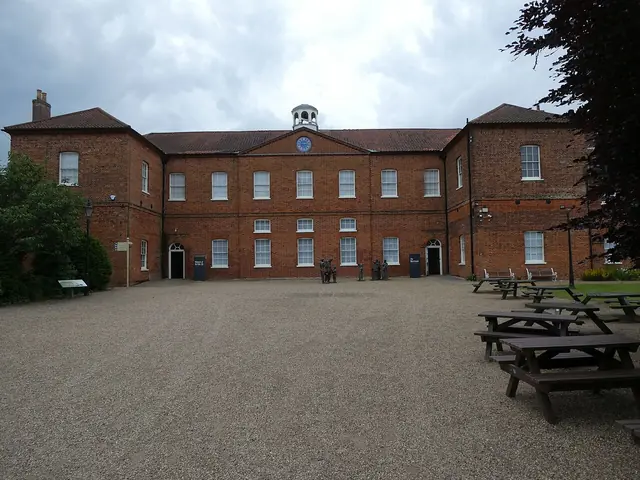
The Museum of Swaffham is a small independent museum run by volunteers and funded by admission fees and donations. It tells the social history of Swaffham and the surrounding villages from the Stone Age to the present day. It is housed in a Georgian town house at 4 London Street, which was built as a house in the early nineteenth century and later converted for use as the town hall and the museum.
The galleries cover social history, archaeology, the Pedlar of Swaffham, the town’s workhouse, wartime life and historic posters. A model of Swaffham as it looked in the 1930s, built by Harry Carter, shows the town centre. The social history gallery has a steam engine made by Harry Carter, three clocks made in Swaffham and items from the Plowright family’s agricultural engineering works.
The museum is especially known for its link with the archaeologist Howard Carter, whose family came from Swaffham and nearby villages. Its Carter Centenary Gallery follows his life and the discovery of Tutankhamun’s tomb, with a replica of the first chamber and Egyptian artefacts on loan from the British Museum. Other local figures featured include Admiral Sir Knyvet Wilson VC, the boxer Jem Mace and the author W.E. Johns. The museum also houses the Swaffham Information Centre and a gift shop at its entrance.
Highlights
- Carter Centenary Gallery on Howard Carter and the discovery of Tutankhamun’s tomb
- Replica of the first chamber of Tutankhamun’s tomb with Carter’s recorded voice
- Harry Carter’s town model of Swaffham as it was in the 1930s
- Anglo-Saxon finds and social history of Swaffham and its villages
- The Pedlar of Swaffham, the workhouse and a war room
Permanent exhibitions
- Carter Centenary Gallery – Follows Howard Carter’s life from his Swaffham roots to the discovery of Tutankhamun’s tomb, with a replica of the first chamber and Egyptian artefacts on loan from the British Museum.
- Social History – Town and people of Swaffham over the years, with a steam engine built locally, clocks made in the town and agricultural engineering items.
- Archaeology – Archaeological finds from the area, including Anglo-Saxon material.
- Founded
- 1987
Admission & discounts
| Children & teens | –Children enter free. |
|---|---|
| Visitors with disabilities | –companion free · Carers enter free. |
Adults pay a small admission fee; the amount is not published on the museum website. There are occasional donation-only days. Art Pass holders enter free.
Accessibility
- Partially wheelchair accessible
- Elevator: no information
- Accessible restroom: no information
- Accessible parking: no information
- Service dogs welcome
- Tactile models & exhibits: no information
- Sign language tours: no information
- Easy-to-read materials: no information
- Audio description: no information
The Georgian building has no wheelchair access above the ground floor. Assistance and guide dogs are welcome in the museum, and dogs of all kinds are welcome in the shop.
Kids & families
Great for kids & families
- Family tours & workshops
Children enter free. The Howard Carter gallery has activities for children, and the museum runs regular events and family activities.
Getting there & parking
By car
Free parking
Free parking for two hours in front of the museum and on the Market Place. Theatre Street car park (PE37 7HF) is free all day; on Saturdays the museum advises using Theatre Street.
What3words location: ///potato.older.paces.
Get directionsAmenities & dining
- Museum shop
Gift shop at the entrance (gifts, books, maps and local produce). The Swaffham Information Centre is also in the museum.
Events & venue rental
The museum hasn’t published any information on this.
Plan your visit
| School programs | yes |
|---|---|
| Good to know | The museum offers an education service for schools and the community. Guided walking tours of Swaffham can be booked online (limited to ten people plus a guide), and a free self-guided town walk is available with the free history map. Group research is possible by appointment. |