Tŷ Mawr Wybrnant
National Trust farmhouse near Penmachno, birthplace of Bishop William Morgan, with a collection of Welsh Bibles.
Have only individual sections read aloud
About the museum
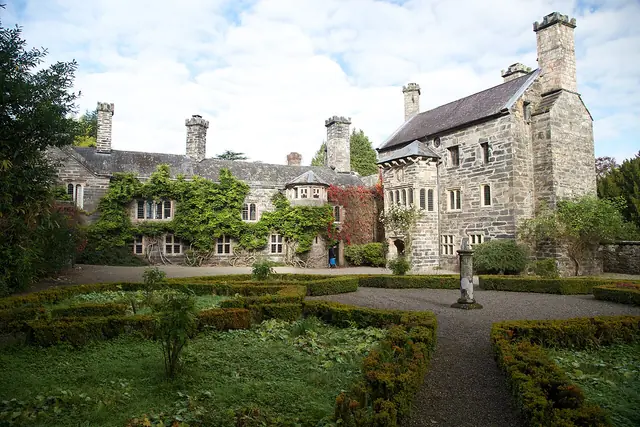
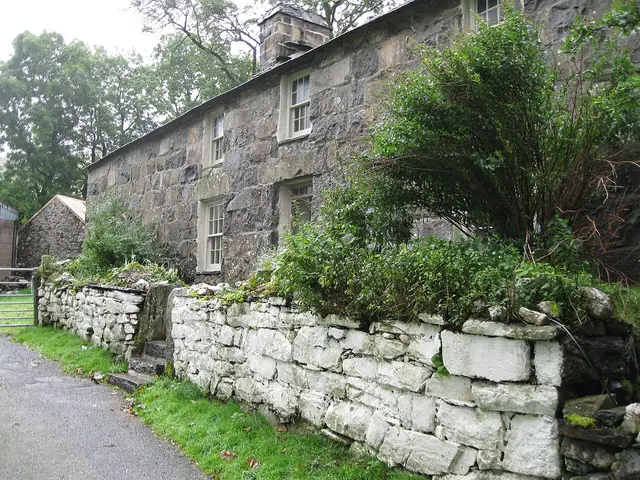
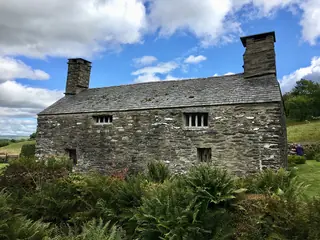
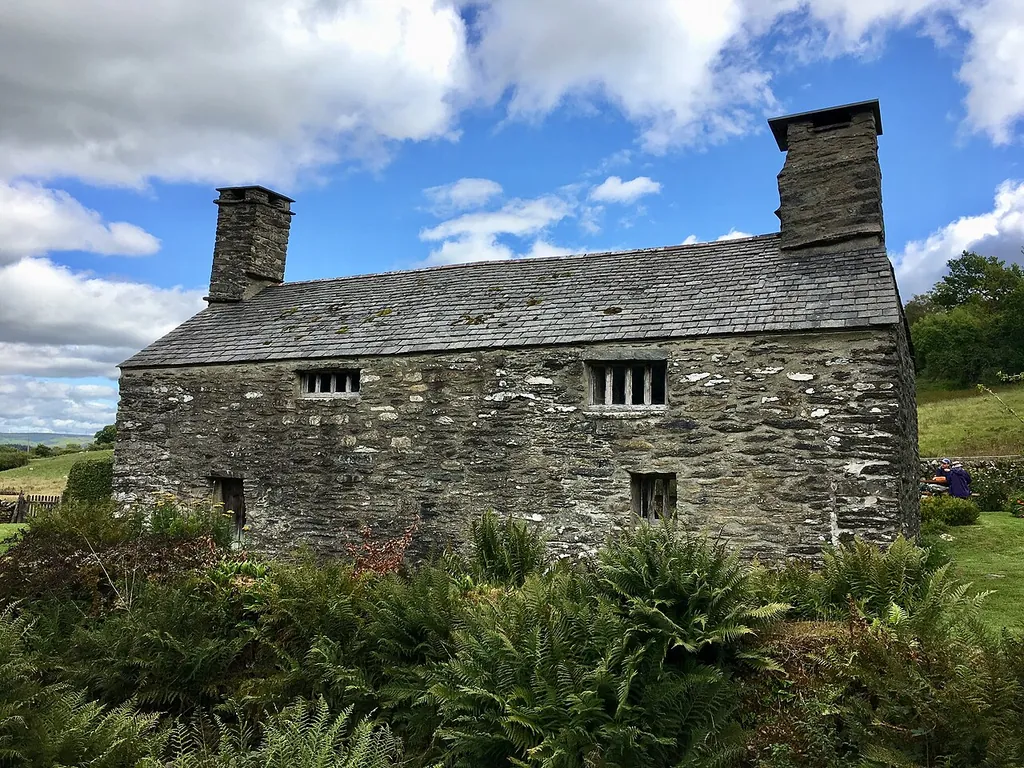
Tŷ Mawr Wybrnant is a small upland stone farmhouse in the valley of the Wybrnant stream near Penmachno, in the hills above the Conwy valley. It is the birthplace of Bishop William Morgan, who produced the first translation of the whole Bible into Welsh, published in 1588. The translation helped to preserve the Welsh language and gave it a standard written form.
The house has been restored to its probable sixteenth-century appearance and is owned by the National Trust. Inside, a ground-floor exhibition room with interpretation panels and seating tells the story of William Morgan and displays a collection of Welsh Bibles, including a copy of his Bible of 1588, together with Bibles in many other languages given by visitors. A steep wooden staircase leads to the upper floor of the farmhouse.
The house was closed during the pandemic in 2020, and the Bible collection was shown for a time in an exhibition at Chirk Castle. The National Trust has since announced funding for improvements to the visitor experience. Outside, the garden and the surrounding countryside have walking routes and picnic benches. The farmhouse and its library open only on selected days from April to September.
Highlights
- Birthplace of Bishop William Morgan, translator of the Welsh Bible
- Copy of the Welsh Bible of 1588
- Restored sixteenth-century farmhouse
- Garden and countryside walks open daily
- Children's animal puzzle trail
Permanent exhibitions
- William Morgan and the Welsh Bible – A ground-floor exhibition about the translator's life and the 1588 Welsh Bible, with Bibles in many languages.
- The restored farmhouse – A small stone farmhouse restored to its probable sixteenth-century appearance with some old furniture.
- Operated by
- National Trust
Admission & discounts
The museum hasn’t published any information on this.
Accessibility
- Partially wheelchair accessible
- Elevator: no information
- Accessible restroom
- Accessible parking
- Service dogs welcome
- Tactile models & exhibits: no information
- Sign language tours: no information
- Easy-to-read materials: no information
- Audio description: no information
The grounds are only partly accessible, with grass, flagstones and uneven paths; pushchairs can be taken into the garden. An adapted toilet is across the bridge from the house. The ground-floor exhibition room has interpretation panels and seating, while the upper floor is reached by a steep wooden staircase. Two accessible parking spaces are near the entrance. Dogs are welcome on a lead around the grounds.
Kids & families
- Activity booklet, scavenger hunt or kids’ audio guide
A children's animal puzzle trail is available.
Getting there & parking
By public transit
Penmachno
Take the bus from Llanrwst to Cwm Penmachno (route 64) and get off at Penmachno, then walk about 2 miles. The nearest railway station is Pont-y-Pant, about 2½ miles away.
By car
Free parking
The main car park is about 500 yards from the farmhouse; a limited number of accessible spaces are about 20 yards away.
- Accessible parking
Access is only from the A5: take the B4406 from Betws-y-Coed to Penmachno, then follow the narrow lane with limited passing places for about 2 miles. Satnavs do not work with the postcode of the house; use LL24 0UG to reach Penmachno and follow the brown signs. It is not possible to turn left when leaving the main car park.
Get directionsAmenities & dining
- Café: not available
- Restaurant: not available
No food or drink is sold on site; there are picnic benches. The toilet water is not safe to drink.
Events & venue rental
The museum hasn’t published any information on this.
Plan your visit
| School programs | yes |
|---|---|
| Good to know | School groups can visit by prior arrangement. There is no coach access, but 33-seater minibuses are welcome if you phone ahead. |