Royal Gunpowder Mills
Former explosives research site at Waltham Abbey with 300 years of gunpowder history, historic buildings, canals, railways and woodland.
Have only individual sections read aloud
About the museum
Gunpowder was made on the Millhead stream at Waltham Abbey from the 1660s, on a site that had earlier powered flour mills. By 1735 it was the Walton Gunpowder Works, and in 1787 the Crown bought the mills, after which the government developed them as a centre for making and testing powder.
The site grew into a state research and manufacturing centre for explosives and rocket propellants. Its work was carried on in secrecy for more than 200 years, and canals linked the buildings so that materials could be moved with less risk of explosion. By the 1890s the canal network exceeded ten miles. The establishment's work was transferred to other centres in 1991, and the site opened to the public in 2001.
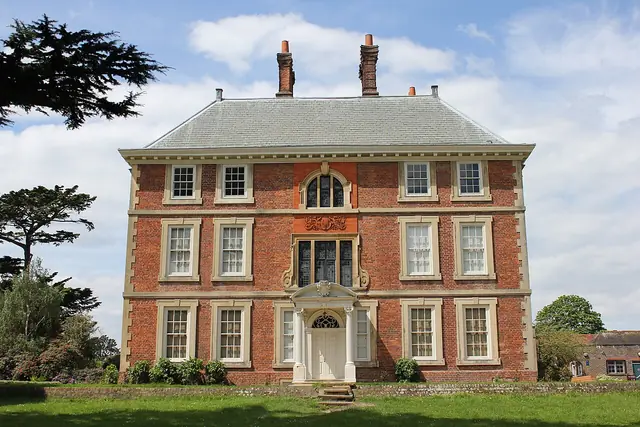
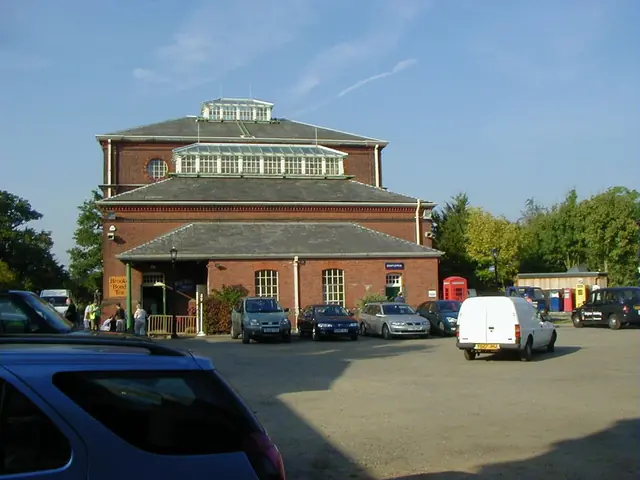
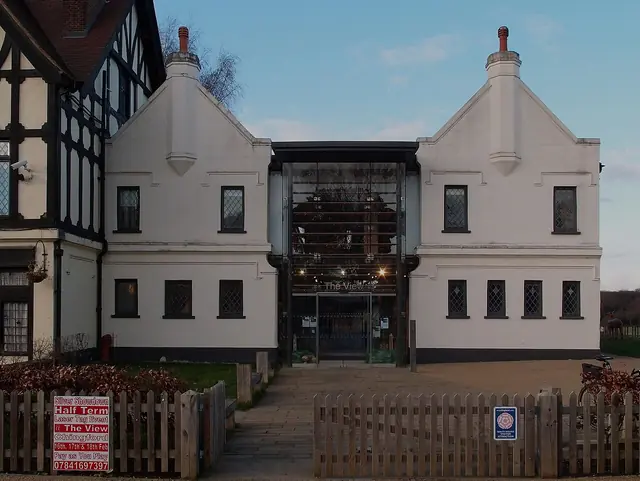
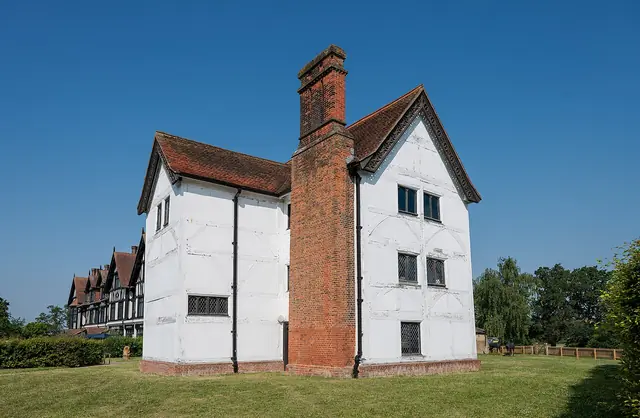
Today the Royal Gunpowder Mills is a charity-run attraction on about 170 acres of woodland and waterways. It is a Scheduled Monument with around 20 listed buildings among more than 100 historic structures, and official assessments have called it the most important site for the history of explosives in Europe. The museum displays are hands-on, and visitors can also see a restored powder boat, ride visitor railways and watch for deer and herons.
Highlights
- Hands-on museum on 300 years of gunpowder and explosives research
- Scheduled Monument with around 20 listed buildings
- Visitor railways on the former narrow gauge line
- Tractor trailer tour through the woods past historic buildings and canals
- Playground, nature spotter trail and wildlife on the 170-acre site
Permanent exhibitions
- Gunpowder history museum – Hands-on displays on about 300 years of gunpowder making and explosives research at the site.
- Visitor railways – Two visitor railways run on the site's former narrow gauge line on open days.
- Founded
- 2001
- Operated by
- Royal Gunpowder Mills (registered charity)
Admission & discounts
| Adults | £15 |
|---|---|
| Reduced | £8Students and people receiving Universal Credit |
| Children & teens | £10free up to age 4 · Under 5s are free; under 18s must be accompanied by an adult. |
| Visitors with disabilities | –companion free · A free ticket is offered to a carer accompanying a paying visitor. |
| Students & apprentices | £8Students and Universal Credit recipients. |
| Families | £452 adults and up to 3 children. |
A paid ticket is valid for all public weekend open days until 31 December 2026, so visits can be repeated with the original ticket. Tickets can be booked online or bought at the door. They do not cover the International Living History Festival, Fireworks Night, walking tours, children's activity days or other weekday and evening events.
Accessibility
- Wheelchair accessible
- Elevator
- Accessible restroom
- Accessible parking
- Service dogs welcome
- Tactile models & exhibits: no information
- Sign language tours: no information
- Easy-to-read materials: no information
- Audio description: no information
The visitor site is described as fully wheelchair accessible, with level access or slopes to most buildings, a lift to the theatre, a ramp onto the tractor trailer and an adapted railway carriage. Wheelchairs cannot go on walking tours, which cross uneven woodland, and a wheelchair can be borrowed by arrangement. Accessible parking must be arranged with the site in advance. Free sensory backpacks, magnifying glasses and an easy-read guide can be borrowed, the main gallery has large print labels, and the theatre has an induction loop. Only assistance dogs are allowed.
Kids & families
Great for kids & families
| Kids’ admission | free up to age 4 |
|---|---|
| Family ticket | £45 · 2 adults and up to 3 children. |
- Family tours & workshops
- Activity booklet, scavenger hunt or kids’ audio guide
- Hands-on stations
- Stroller-friendly
- Playground / play area
The site has a playground built from natural materials, a nature spotter trail and a rocket-building activity on children's activity days. Free sensory backpacks and an easy-read guide for young visitors can be borrowed at the front desk.
Getting there & parking
By public transit
Highbridge Street Roundabout (bus); Waltham Cross station
Trains run to Waltham Cross or Theobalds Grove; from Loughton on the Central line, take bus 66 towards Debden. Buses stop at Highbridge Street Roundabout and include routes 14, 22, 22C, 66, 66A, 86, 211, 212 and 251.
By car
Accessible parking can be arranged by contacting the site; other parking details are not published.
- Accessible parking
The entrance is at the north end of Beaulieu Drive. The site is about a 10-minute walk from Waltham Abbey town centre and about 25 minutes on foot from Waltham Cross station. From the M25 take junction 25 or 26 and the A121 to Waltham Abbey. Cycle routes run through the Lee Valley Park.
Get directionsAmenities & dining
- Café
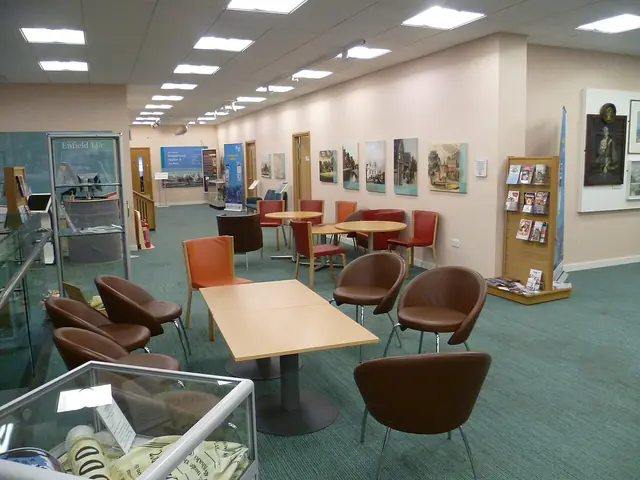
The Boiler House Café is on site.
Events & venue rental
- Spaces for rent
- Private parties
- Corporate events
Up to 150 guests.
Historic spaces include the Boiler House Café and Kitchen, the Mill on the Mead, a 100-seat theatre, the Spinks Gallery (up to 150), the main gallery and the Queen Meads outdoor lawn (up to 7,000). Weekday corporate bookings are welcomed. Enquiries to events@royalgunpowdermills.com.
Inquiries & detailsPlan your visit
| Guided tours | yes |
|---|---|
| School programs | yes |
| Good to know | A tractor trailer tour through the woods runs on every weekend open day, and walking tours are offered separately. School trips and group visits can be arranged. |