Woodhorn Museum
Former colliery in Ashington telling Northumberland's mining story, with the Pitmen Painters collection and a Changing Places toilet.
Have only individual sections read aloud
About the museum
Woodhorn Colliery opened in 1894 and closed on 27 February 1981. At its peak more than 2,000 people worked underground and about 600,000 tonnes of coal were mined each year. After the pit closed, the site reopened in 1989 as a mining museum.
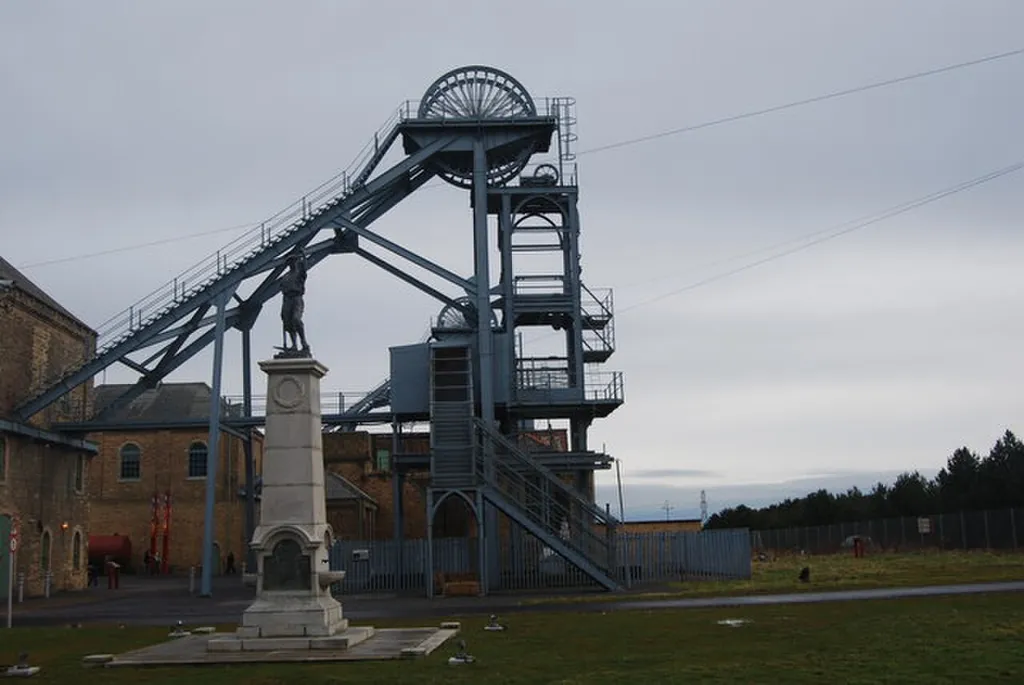
Many of the original colliery buildings survive and can be explored, including the heapsteads and winding houses, stables and workshops. The site is recognised as one of the best-preserved late nineteenth and early twentieth-century collieries in the North East of England. Heapstead No. 2 is on the Heritage at Risk register, and restoration work with funding from Historic England and Northumberland County Council has been carried out on the heapsteads.
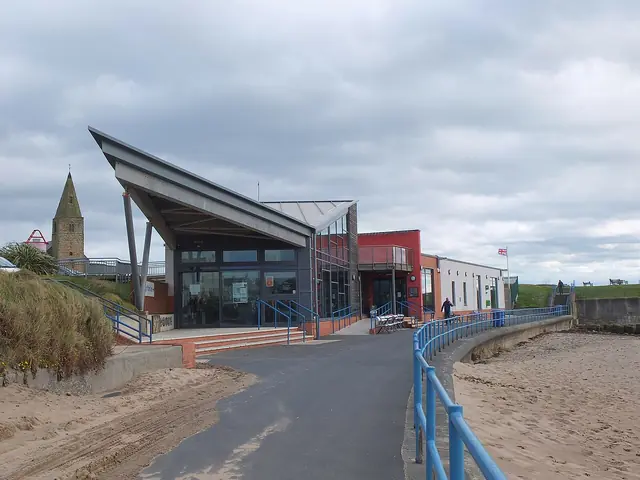
The modern Cutter Building holds the main galleries, the cafe, the shop and collection stores. The museum is home to the Ashington Group Collection of paintings, known as the Pitmen Painters, made by miners from the 1930s and reputed to be the first collection of amateur art to go on permanent display anywhere in the world. A dedicated gallery shows photographs by Mik Critchlow documenting the last shift and the life of Ashington. Colliery banners from the mining communities are shown on a long indoor ramp. The museum is managed by North East Museums on behalf of Northumberland County Council.
Highlights
- Coal Town permanent exhibition on mining life in Northumberland
- Ashington Group Collection of Pitmen Painters
- Mik Critchlow photographs of the end of mining
- Original colliery buildings, heapsteads and winding houses
- Colliery banners on the indoor banner ramp
Permanent exhibitions
- Coal Town – The permanent exhibition on the industry and way of life of the Northumberland coalfield.
- The Ashington Group Gallery – Paintings by the Pitmen Painters, miners who made art about daily life in and around Ashington from the 1930s.
- Mik Critchlow: The Coal Town Collection – Photographs documenting the end of mining and the community of Ashington over 45 years.
- Founded
- 1989
- Operated by
- North East Museums (for Northumberland County Council)
Admission & discounts
| Adults | £10 |
|---|---|
| Reduced | £9Over 60s, disabled visitors, Student Card holders and Max Card holders |
| Children & teens | freefree up to age 17 · Under 18s go free. |
| Seniors | £9Over 60s |
| Visitors with disabilities | £9companion free · Accompanying carers are admitted free. |
| Students & apprentices | £9Student Card holders |
| Groups | –Advance group bookings and coach tours receive concession group rates, free group leader admission, a free tea or coffee voucher for coach drivers and free coach parking. |
Prices without the optional donation: adult £10, concession £9. With the optional donation, adult £11 and concession £10. Your ticket is an annual pass allowing unlimited visits for 12 months. No advance booking is needed.
Accessibility
- Wheelchair accessible
- Elevator: not available
- Accessible restroom
- Accessible parking
- Service dogs welcome
- Tactile models & exhibits
- Sign language tours: no information
- Easy-to-read materials: no information
- Audio description: no information
The Cutter Building has level entrances with automatic doors on both floors and a long indoor access ramp between the upper and lower ground floors; there is no lift. Accessible toilets are on both floors, and a Changing Places toilet (also Stoma Friendly) is on the upper ground floor. Two wheelchairs and three mobility scooters can be borrowed free of charge and should be booked in advance. Hearing induction loops are at the Welcome Desk, the shop and the Workshop Galleries entrance and throughout the Coal Town exhibition, and films are captioned. There is a 3D plan with braille at the Welcome Desk, and some uncased objects may be touched. Historic buildings have uneven floors. Ten Blue Badge spaces are on the tarmac car park. Assistance dogs are welcome everywhere.
Kids & families
Great for kids & families
| Kids’ admission | free up to age 17 |
|---|
- Family tours & workshops
- Hands-on stations
- Stroller-friendly
- Baby changing facilities
- Playground / play area
The Pit Yard Play Area is designed to be accessible for children with a broad range of disabilities. Family events run during school holidays, and under 18s enter free. A level path leads from the car park, and baby changing is in the Changing Places toilet. Breastfeeding is welcome.
Getting there & parking
By public transit
Ashington railway station
The museum is about a 25 to 30 minute walk from Ashington railway station and Ashington bus station, mostly along a footpath and cycleway. Accessible taxis are available at the station.
By car
Free parking
Free car park with ten Blue Badge spaces on the tarmac area and a larger gravelled area; the car park closes at 4.30pm. A parking charge applies on busy event days. Free coach parking on hardstanding.
- Accessible parking
Just off the A189 coastal route, east of Ashington, about 25 minutes by car from Newcastle and Alnwick. Sat nav using the postcode may lead to the wrong location; follow the brown and white tourist signs.
Get directionsAmenities & dining
- Café
- Museum shop
The Winding House Cafe is open Wednesday to Sunday, 10.30am to 3.30pm (last food orders 2.30pm), and daily in the Northumberland school holidays. The gift shop is opposite the Welcome Desk. Dogs other than assistance dogs may not enter the Cutter Building or the cafe.
Events & venue rental
- Spaces for rent
- Private parties
- Corporate events
- Weddings / ceremonies
Up to 200 guests.
The Winding Room (70 standing, 40 boardroom) and the Workshop Galleries (200 standing, 150 seated; available May to November). The venues are fully licensed. Enquiries to venuehire@northeastmuseums.org.uk.
Inquiries & detailsPlan your visit
| Guided tours | yes |
|---|---|
| School programs | yes |
| Good to know | Guided tours run at set times, and groups can arrange tours at other times. Northumberland Archives is on the same site and is managed separately. |