Museu d'Art de Girona
Art museum housed in the Palau Episcopal in Girona, with a tour of Catalan art from the Romanesque to the 20th century.
Alleen afzonderlijke secties laten voorlezen
Over het museum
The museum was created on 7 December 1976 by an agreement between the Diputació de Girona and the Bishopric. The Diputació contributed part of the former Museo Provincial de Antigüedades y Bellas Artes, founded in 1846, and the Bishopric contributed the Museu Diocesà, founded in 1942, and the Palau Episcopal. Between 1979 and 1991 several phases of adaptation of the building were carried out, and in 1992 the Generalitat de Catalunya took over the management.
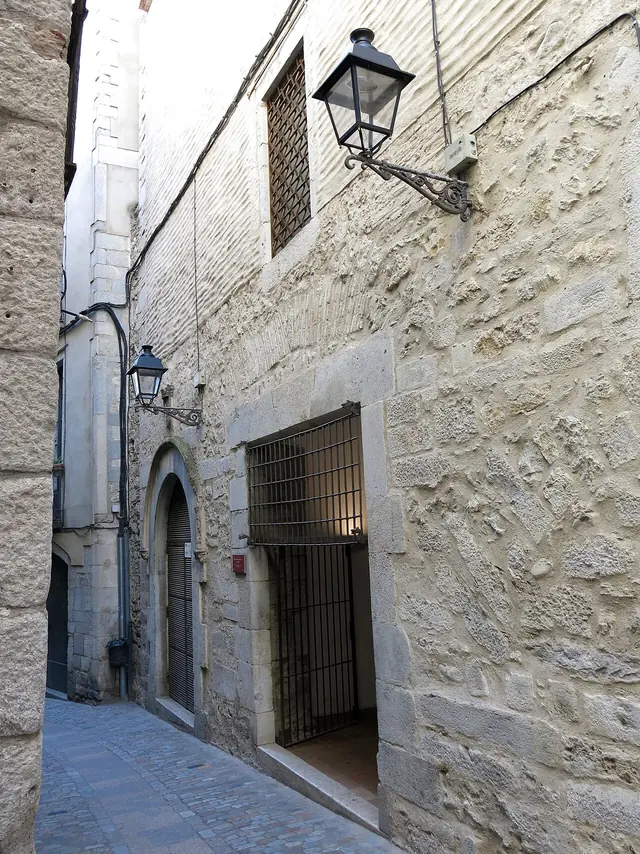
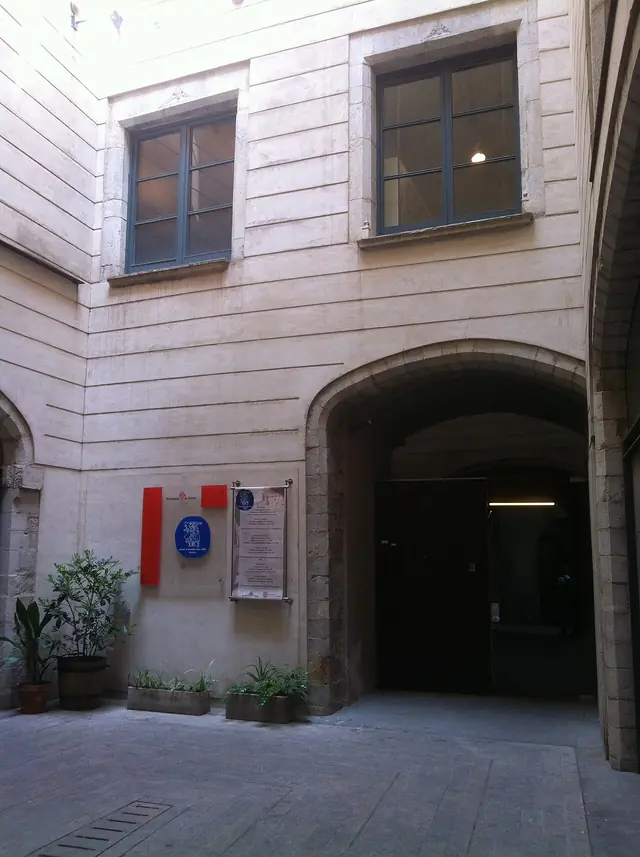
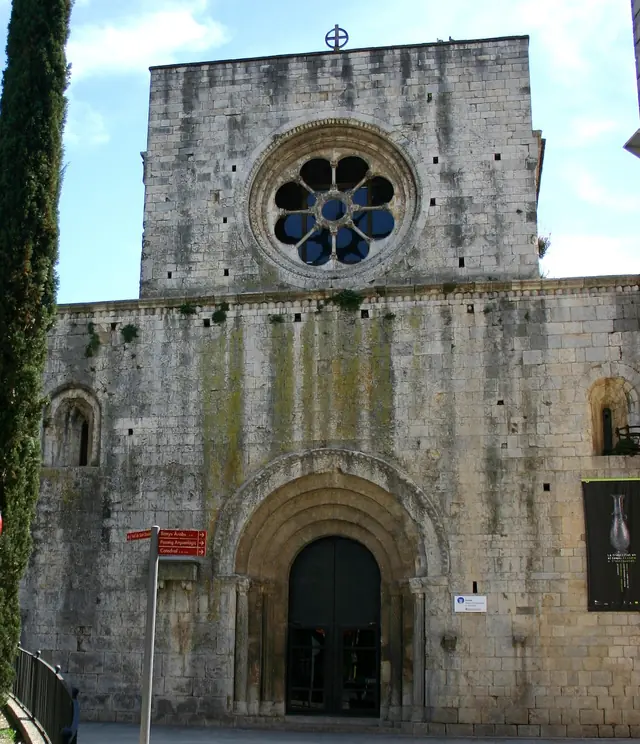
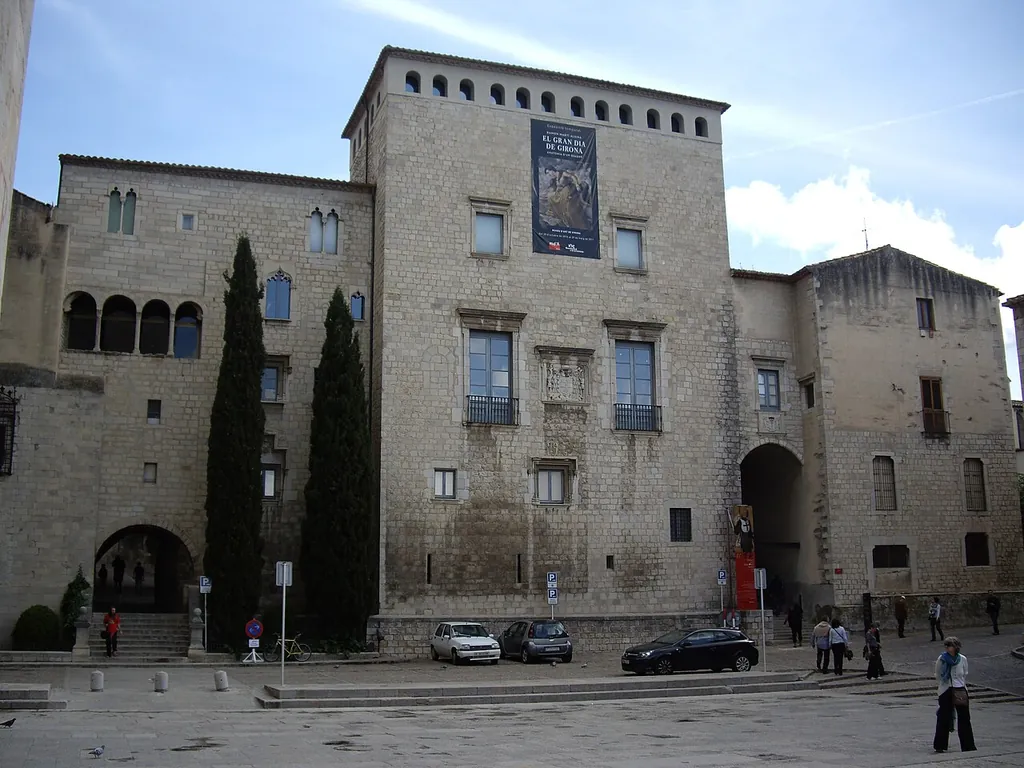
The museum occupies the Palau Episcopal, next to the cathedral. The first records of the palace go back to 988; in the 13th century it was extended in Gothic style, with two towers and the Salons of the Throne and of the Arch, and between the 15th and 16th centuries it was transformed from a castle into a palace. In 2010 a lift was installed in the courtyard. Its upper floor preserves the former prison for clerics, and the building also contains the chapel of Santa Catalina, now the Josep Irla auditorium.
The permanent collection follows a chronological order: Romanesque, Gothic, Renaissance, Baroque and 19th- and 20th-century art, as well as the art collection of the newspaper Avui. Highlights include the portable altar of Sant Pere de Rodes, the Cristo en Majestad and the Viga de Cruïlles, the Púbol altarpiece by Bernat Martorell and the Sant Miquel de Cruïlles altarpiece by Lluís Borrassà. The auditorium shows the large canvas by Martí Alsina “El gran día de Girona”, almost five by eleven metres.
Hoogtepunten
- Palau Episcopal of Girona, next to the cathedral
- Portable altar of Sant Pere de Rodes and Cristo en Majestad of Cruïlles
- Púbol altarpiece by Bernat Martorell
- Sant Miquel de Cruïlles altarpiece by Lluís Borrassà
- “El gran día de Girona” by Ramon Martí Alsina
- Tactile route and audio guide with sign language
Vaste collectie
- Colección permanente – Chronological tour of Catalan art from the Romanesque to the 20th century, including the art collection of the newspaper Avui.
- Opgericht
- 1976
- Beheerder
- Generalitat de Catalunya
- Directie
- Carme Clusellas i Pagès
- Bezoekers per jaar
- ca. 111.532
Toegangsprijzen & kortingen
| Volwassenen | € 7 |
|---|---|
| Met korting | € 5Over-65s, pensioners, holders of the international student card, large and single-parent families, Carnet Jove holders, Club Girona Cultura members and other groups with accreditation. |
| Kinderen & jongeren | gratisgratis t/m 15 jaar · Under-16s free. |
| Senioren | € 5Over-65s and pensioners. |
| Mensen met een beperking | gratisbegeleider gratis · Free admission with a disability certificate, also for the accompanying person. |
| Studenten | € 5With an international student card. |
| Groepen (vanaf 10 pers.) | € 5 p.p.Groups of 10 or more people: €5 per person. Tourist groups with a 25% discount. School groups with booking and their own guide: free. |
| Girona Episcopal combined ticket (museum, cathedral and Basilica of Sant Feliu) | € 12Valid for 48 hours. Reduced: €8 (ages 16 to 24, over-65s and pensioners) and €1.50 (people with disabilities and companions, children aged 8 to 16); free up to age 7. |
Gratis toegang: The first Sunday of each month.
Free admission also for unemployed people, Amics del Museu d'Art de Girona, tour guides, members of ICOM and of the Associació de Museòlegs de Catalunya, teachers, press professionals and other groups with accreditation. The Gironamuseus card allows full price at the first museum visited and half price at the others. The right to a discount must always be proven.
Toegankelijkheid
- Deels rolstoeltoegankelijk
- Lift
- Aangepast toilet
- Gehandicaptenparkeerplaats
- Hulphonden welkom
- Tastmodellen / voelbare objecten
- Rondleidingen in gebarentaal
- Informatie in eenvoudige taal
- Audiodescriptie: geen informatie
The main entrance has steps up to the inner courtyard, and from there an external lift leads to the reception on floor 1; the museum is working on a step-free entrance from the street. All lifts have Braille and raised buttons. Wheelchairs are available on loan at reception, and there is an accessible toilet on floor 1 (the key is requested at reception). Around 72% of the permanent collection is wheelchair accessible; the Presó room and the thematic rooms have fixed barriers. Two accessible parking spaces at the entrance and four on the Plaça de Sant Domènec. Tactile route with Braille objects, induction loop at the information desk, a sign guide in Catalan Sign Language with subtitles and an easy-read summary of the audio guide. Assistance dogs are admitted.
Kinderen & gezin
Erg geschikt voor kinderen & gezinnen
| Toegang kinderen | gratis t/m 15 jaar |
|---|
- Gezinsrondleidingen & workshops
- Speurtocht, doeboekje of kinderaudiotour
The museum runs activities for families and offers games and discovery points in the rooms.
Bereikbaarheid & parkeren
Met het openbaar vervoer
Plaça de Sant Domènec (L7) · 190 m
Urban bus: line L7, Plaça de Sant Domènec stop, about 190 m from the main entrance.
Met de auto
Gratis parkeren
The nearest free car park is on the Plaça de Josep Ferrater i Mora, opposite the historic building of the UdG. Two municipal spaces for reduced mobility next to the main entrance.
- Gehandicaptenparkeerplaats
The Antic Hospital de Santa Caterina (Plaça de Pompeu Fabra, 1) can be reached by urban bus (L1, L3, L6 and L7, stop Plaça Pompeu Fabra); the nearest car park is paid, with access from the Plaça de l'Hospital.
Route plannenService & horeca
Het museum heeft hierover geen informatie gepubliceerd.
Evenementen & zaalverhuur
Het museum heeft hierover geen informatie gepubliceerd.
Je bezoek plannen
| Rondleidingen | ja |
|---|---|
| Audiotour | ja |
| Aanbod voor scholen | ja |
| Goed om te weten | There is an audio guide for the permanent exhibition, another with a route from a women's perspective, and a sign guide. Guided visits are booked in advance, and there are also short visits (“visites llampec”). Educational programme for pre-school, primary, ESO and Bachillerato, and in-depth “Zoom” visits. |