Museu de Sant Cugat
Museum in the Benedictine monastery of Sant Cugat, with a Romanesque cloister and an exhibition on medieval monastic life.
Alleen afzonderlijke secties laten voorlezen
Over het museum
The Benedictine monastery of Sant Cugat, founded in the 9th century, held a prominent place in Catalan history as a centre of power where the affairs of the feudal world converged, under the Rule of Saint Benedict and its motto “Ora et labora”. It stands beside an ancient early Christian church where, according to tradition, the relics of the martyr Cugat were kept; the site, called Octavianum, is also an archaeological site.
The monastic precinct was surrounded by walls and defensive towers. It includes the church, which has been the parish church of Sant Pere d'Octavià since 1833, the Romanesque cloister, and the abbot's palace, built from the 13th–14th centuries in the form of a castle and converted into a palace after the War of the Spanish Succession. Within the complex there are also boundary crosses (cruces de término) that, over time, ended up inside the precinct.
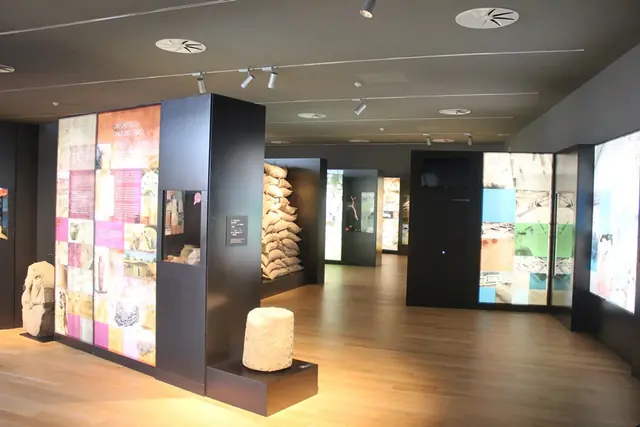
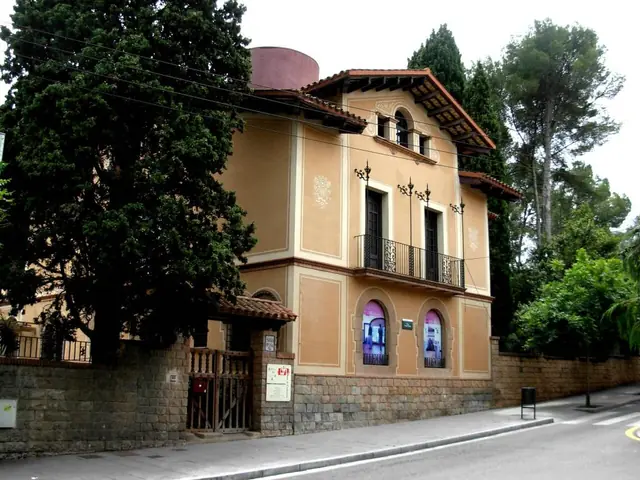
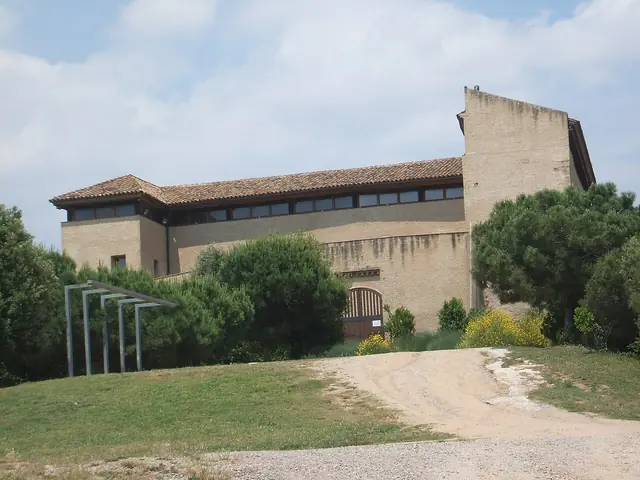
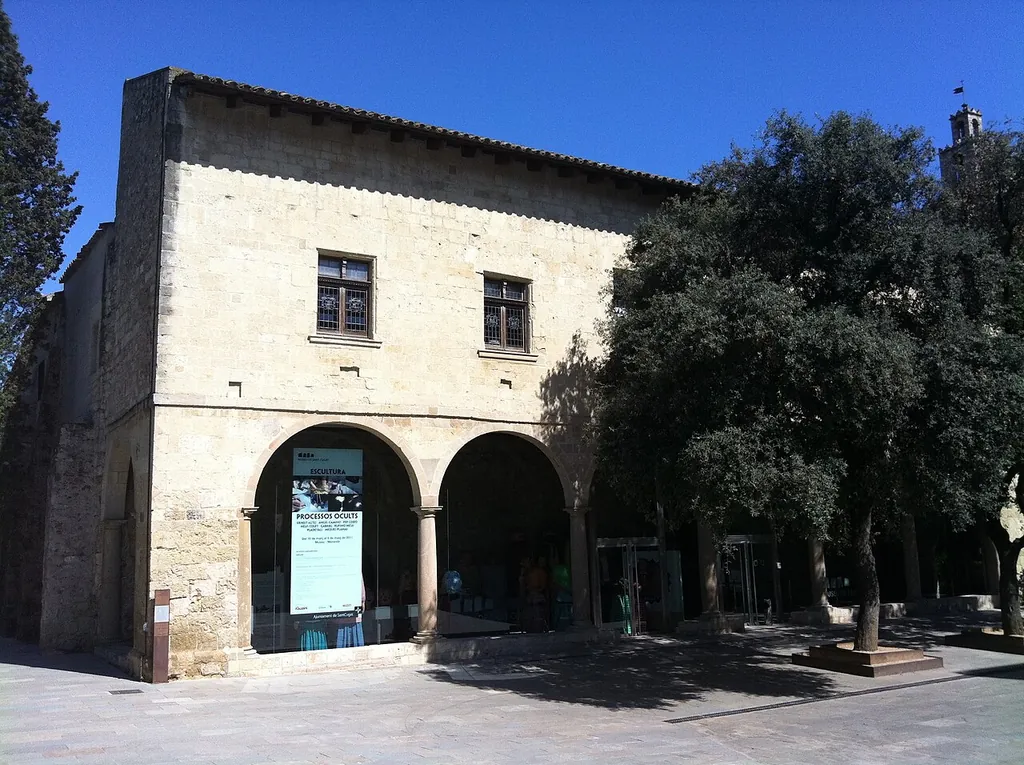
The Museu de Sant Cugat has its central venue in the monastery. Its permanent exhibition, “Oració, treball i poder”, explains the architectural evolution of the building and the life of the Benedictine community, with a room devoted to the capitals of the Romanesque cloister, areas on the foundation, the territory of Octavià and the cult of Cugat, and audiovisuals on the role of the abbots in medieval and early modern Catalonia. The museum also manages the Celler Modernista, the Torre Negra and the chapel of Sant Domènec.
Hoogtepunten
- Romanesque cloister with carved capitals and a room devoted to them
- Permanent exhibition “Oració, treball i poder” on the Benedictine community
- Abbot's palace of the 13th–14th centuries and monastery walls
- Watchtower on the walls, open on the second Saturday of each month
- Other spaces of the museum: Celler Modernista, Torre Negra and the chapel of Sant Domènec
Vaste collectie
- Oració, treball i poder – Permanent exhibition of the monastery on its architectural evolution and the life of the Benedictine community, with a room devoted to the capitals of the Romanesque cloister.
- Opgericht
- 2003
- Beheerder
- Ajuntament de Sant Cugat del Vallès
Toegangsprijzen & kortingen
Het museum heeft hierover geen informatie gepubliceerd.
Toegankelijkheid
- Rolstoeltoegankelijk: geen informatie
- Lift: geen informatie
- Aangepast toilet: geen informatie
- Gehandicaptenparkeerplaats: geen informatie
- Hulphonden welkom: geen informatie
- Tastmodellen / voelbare objecten
- Rondleidingen in gebarentaal
- Informatie in eenvoudige taal: geen informatie
- Audiodescriptie: geen informatie
The museum has accessibility programmes: “La Mirada tàctil”, a guided visit to the cloister in Catalan Sign Language (“Signem el claustre”), and “Guia'm pel Monestir”, a guided visit for people with Asperger syndrome on the fourth Sunday of each month at 11:00.
Kinderen & gezin
Het museum heeft hierover geen informatie gepubliceerd.
Bereikbaarheid & parkeren
By car, via the AP-7 (south and north), the AP-2 or the C-16; from Barcelona you reach it in about 10 minutes through the Vallvidrera tunnels.
Route plannenService & horeca
Het museum heeft hierover geen informatie gepubliceerd.
Evenementen & zaalverhuur
Het museum heeft hierover geen informatie gepubliceerd.
Je bezoek plannen
| Rondleidingen | ja |
|---|---|
| Audiotour | ja |
| Aanbod voor scholen | ja |
| Goed om te weten | Guided visits and audio guides: www.visitsantcugat.cat. The museum runs guided talks on the cloister, the exhibition and other spaces, such as the Celler Modernista. Group bookings for guided talks: +34 935 896 366 or educaciomuseu@santcugat.cat. Watchtower on the walls: second Saturday of each month, 10:30–13:30, with a guided talk at 12:00 (the website also lists a slot from 18:00 to 21:00 with a visit at 19:00). |