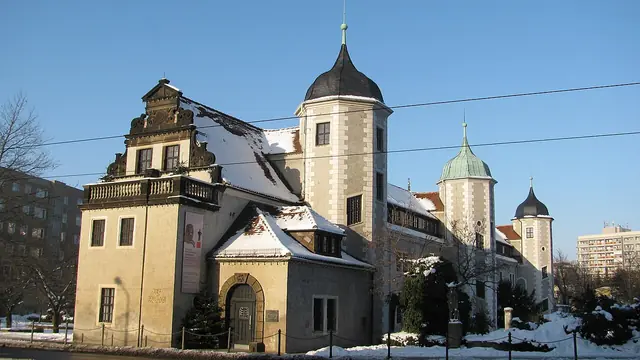
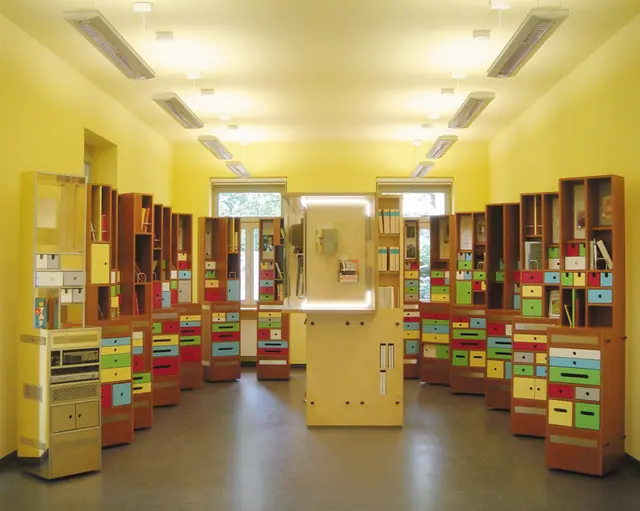
The SKD's ethnological museum in the Japanisches Palais: collections from around the world, the restored Damascus Room, and changing exhibitions, all with free admission.
Knotted and woven textiles such as bags, tent hangings, and blankets from arid regions between Anatolia and Afghanistan show how nomadic groups used craftsmanship to cope with the climate and express their identity.
Om museet
The museum's roots lie in the Kunstkammer (cabinet of curiosities) that Elector August of Saxony set up in 1560, which already held objects from distant parts of the world. In 1875 the physician and naturalist Adolf Bernhard Meyer founded a separate ethnographic department at the natural history museum; a few years later the institution was known as the Königliches Zoologisches und Anthropologisch-Ethnographisches Museum. Under Meyer and his successor Arnold Jacobi, the collection grew systematically, partly through expeditions to New Guinea.
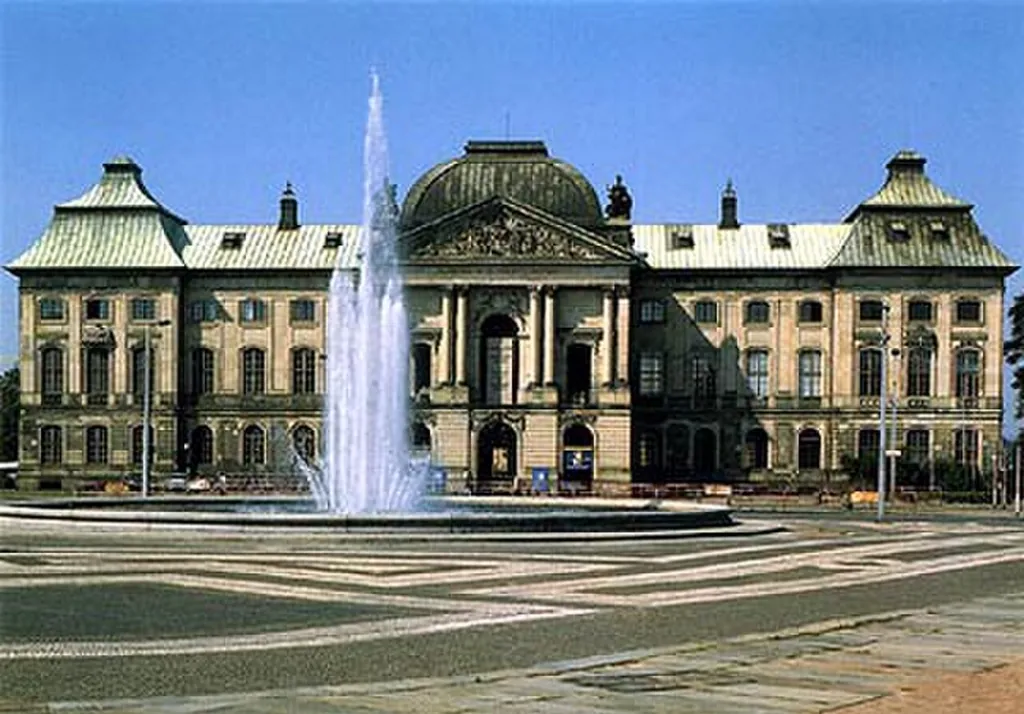
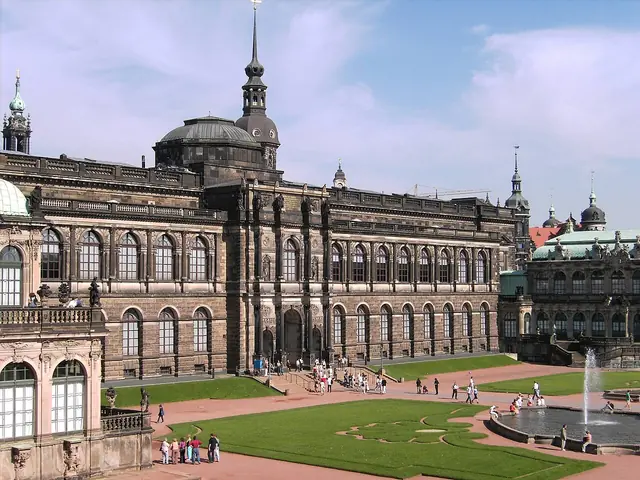
From 1878 to 1941 the holdings were on display in the Zwinger. The exhibition rooms were lost in World War II, but most of the objects that had been moved to safety survived. After the war, zoology and ethnology split into separate museums; the ethnology museum was given a home in the Japanisches Palais, where it has once again shown exhibitions since 1977.
In 2004 the ethnology museums in Dresden, Leipzig, and Herrnhut merged to form the Staatliche Ethnographische Sammlungen Sachsen, which have been part of the Staatliche Kunstsammlungen Dresden since 2010. The Dresden holdings comprise almost 100,000 objects from every continent, along with an extensive collection of historical photographs. A showpiece is the Damascus Room, a richly painted reception room from a house in Damascus, where it remained installed until 1899. Today the museum increasingly develops its presentations together with partners from the societies of origin.
Højdepunkter
Damascus Room – restored reception room from a house in Damascus (19th century)
Almost 100,000 ethnographic objects from every continent
The Baroque Japanisches Palais as exhibition venue
Free admission
Permanente udstillinger
Dialog unter Gästen – Das Damaskuszimmer in Dresden lädt ein! – The fully restored, splendidly painted reception room from Damascus serves as a starting point for questions about hospitality then and now, and invites encounter and conversation.
Admission to all exhibitions of the Museum für Völkerkunde Dresden is free, including special exhibitions.
Tilgængelighed
Delvis kørestolsvenlig
Elevator: findes ikke
Handicaptoilet
Handicapparkering
Servicehunde tilladt
Taktile tilbud
Rundvisninger på tegnsprog
Letlæste tilbud
Synstolkning: ingen oplysninger
The main entrance is reached via stairs and has a revolving door; the exhibitions on the first floor are step-free (ramp to the right of the entrance hall). There is no official passenger elevator – for the second floor, please ask staff on site. Accessible restroom to the right of the entrance hall. Accessible parking spaces right next to the Japanisches Palais. Tactile model of the building with audio description in the entrance hall; regular guided tours for blind and visually impaired visitors, with sign language interpretation, and in Easy Language.
Børn og familie
Kun delvist egnet til børn
Barnevognsvenlig: findes ikke
Puslerum
Børnefødselsdage: findes ikke
Strollers currently cannot be taken into the Japanisches Palais because there is no elevator. Programs for daycare groups and school classes; no children's birthday parties. Nursing and baby changing facilities available; children may not be carried in back carriers or on shoulders.
Transport & parkering
Med offentlig transport
Palaisplatz
Tram to Palaisplatz; Dresden-Neustadt station nearby (step-free route)
I bil
Parkering muligt
No dedicated parking; the SKD refer visitors to various public parking options in the vicinity and to the city of Dresden's parking guidance system.
Free coat check and lockers; bags larger than 20 × 15 × 10 cm must be checked. The Japanisches Palais also houses the Senckenberg Naturhistorische Sammlungen Dresden.
Arrangementer & udlejning
Museet har ikke offentliggjort oplysninger om dette – spørg venligst museet direkte.
Planlæg dit besøg
Rundvisninger
ja
Audioguide
ja
Fotografering
Permitted in the permanent exhibitions for private, non-commercial purposes without flash or tripod
Godt at vide
Free multimedia guide on your smartphone, no download required. Dialogue-based tandem tours and storytelling afternoons in the Damascus Room; register for guided tours through the SKD visitor service.