Museum der Völker
Ethnographic museum in the former St. Martin monastery in Schwaz with art and everyday objects from Africa and Asia as well as permanent exhibitions on worldviews.
No sound? Check your device’s silent switch.
Have only individual sections read aloud
About the museum
The Museum der Völker (Museum of Peoples) came into being in 1995, when the Schwaz photographer, author and journalist Gert Chesi founded the "Haus der Völker" in his home town. It was based on his collection, assembled over decades of travels through West Africa and Southeast Asia. Until 2016 Chesi directed the house himself and showed numerous temporary exhibitions on art and cultures from around the world.
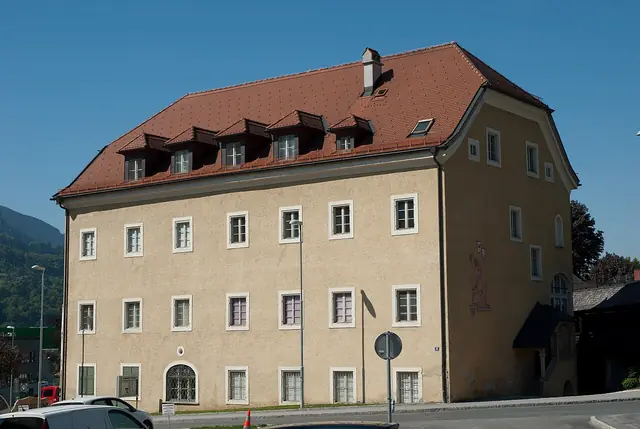
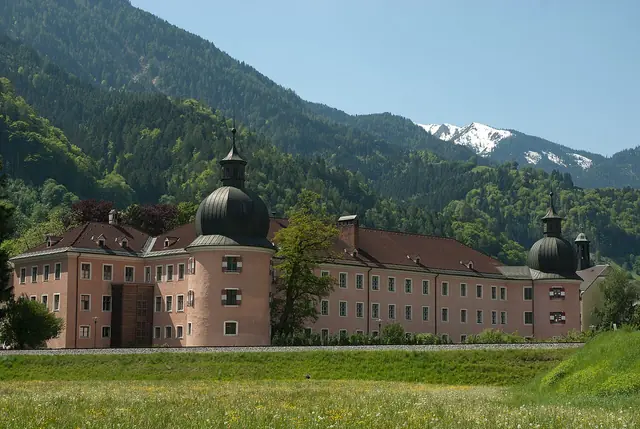
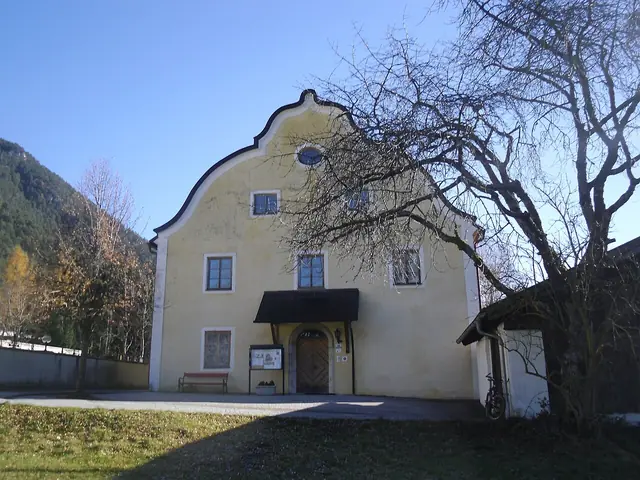
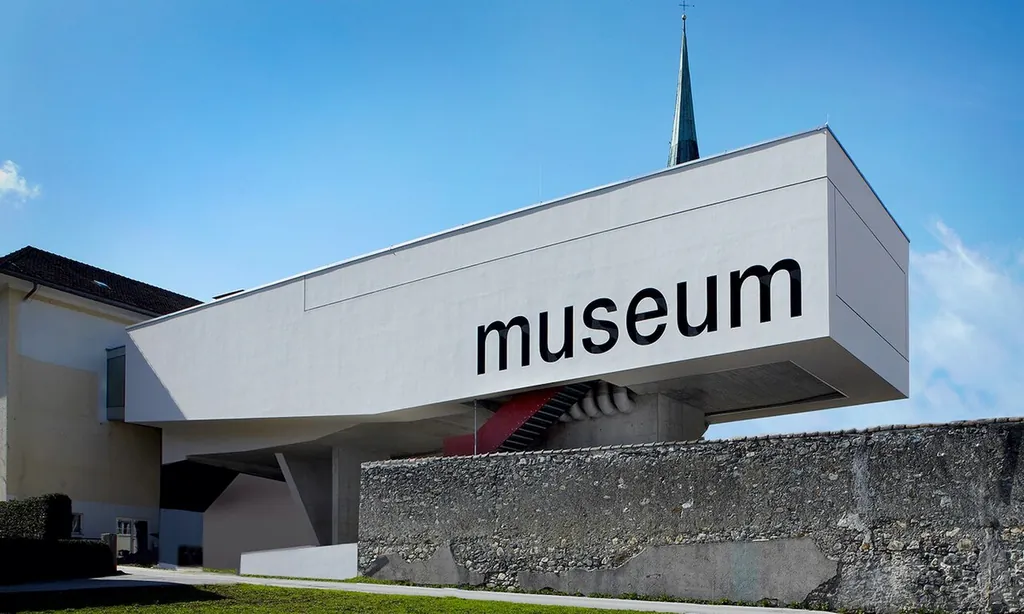
The museum is located in the east of Schwaz in the St. Martin building complex. The first chapel was built there in the 15th century, followed later by a church and a convent; after the convent was dissolved, the premises were used by the mining court, as barracks, as a workhouse and, until 1991, as a state home for girls. After conversion and the construction of a modern extension, the building was reopened in 2013 as the "Museum der Völker" with around 1,000 m² of exhibition space.
At the end of 2016 Chesi donated a large part of his collection to the town of Schwaz and withdrew; since then a cultural association has run the museum with support from the town and the province. The collection grew through further donations, such as objects from Ethiopia and, in 2022, around 2,500 pieces from a private collection in Graz. The museum carries out provenance research and sees itself as a place for dialogue, education and discussion. The permanent exhibitions "Weltbilder erzählen" (Worldviews Tell Stories) and "Zwischen Himmel und Erde" (Between Heaven and Earth) are complemented by special exhibitions that change every six months.
Highlights
- Chesi collection with objects from West Africa and Southeast Asia
- Permanent exhibition "Zwischen Himmel und Erde" (Between Heaven and Earth) on Buddhism and Hinduism
- Permanent exhibition "Weltbilder erzählen" (Worldviews Tell Stories) on cultural models for explaining the world
- Modern museum extension in the historic St. Martin ensemble
- Museum café with a freely accessible part of the specialist library
Permanent exhibitions
- Weltbilder erzählen – Objects and depictions from different cultures show how people explain the origin and order of the world – presented as equals side by side and with prompts for reflection.
- Zwischen Himmel und Erde – Exhibition on Buddhism and Hinduism, starting from the life story of Siddhartha Gautama and raising questions about the good life and community.
- Founded
- 1995
- Operated by
- Museum der Völker – Kulturverein
- Director
- Bianca Ober
Admission & discounts
| Adults | €9 |
|---|---|
| Reduced | €7School pupils, apprentices, students, seniors, conscripts and civilian service workers, job seekers, groups of 10 or more, holders of TVB guest cards, Ö1 Club members, Erlebniscard Tirol |
| Children & teens | freefree up to age 12 · Children up to and including age 12 free; school pupils reduced thereafter. |
| Seniors | €7 |
| Students & apprentices | €7Students, school pupils and apprentices |
| Groups (10+ people) | €7 per person |
| Families | –Family annual pass €65 |
| Annual pass, individual | €55 |
| Annual pass, family | €65 |
| Social institutions | €3.50With guided tour €5.50 (date on request); accompanying persons free |
| School classes (per pupil, incl. guided tour) | €2.50Accompanying persons free; date on request |
| Private guided tour (flat fee) | €60Plus admission; max. 20 people; request at least 2 weeks in advance |
Free admission with the Freizeitticket Tirol, the TVB Silberregion Karwendel guest card, the cultural pass "Hunger auf Kunst & Kultur", and for ICOM and Museumsbund members and press.
Accessibility
- Wheelchair accessible
- Elevator
- Accessible restroom
- Accessible parking: no information
- Service dogs welcome: no information
- Tactile models & exhibits: no information
- Sign language tours: no information
- Easy-to-read materials: no information
- Audio description: no information
Exhibition areas, shop and café are accessible without steps by lift, the first exhibition level via a stairlift. Wheelchair-accessible toilet. Guided tours adapted to special needs on request.
Kids & families
Great for kids & families
| Kids’ admission | free up to age 12 |
|---|
- Family tours & workshops
- Hands-on stations
The museum expressly welcomes families; the exhibitions include interactive stations for young visitors, as well as children's tours and workshops. Children up to 12 years have free admission.
Getting there & parking
By public transit
Friedhof · 5-min walk
City bus 2 from Schwaz station (about 14 minutes) or from Stadtplatz (about 10 minutes) to the stop Friedhof, then about 5 minutes downhill along the cemetery wall towards St. Martin's church. On foot from the station about 20 minutes, from the old town about 15 minutes, from the Interspar bus stop about 7 minutes.
By car
Parking available
Car park of the municipal cemetery above the museum, available to museum visitors.
The museum is located in the rear part of the former St. Martin monastery complex in the east of Schwaz; the extension bears the lettering "Museum".
Get directionsAmenities & dining
- Café
- Museum shop
Museum café (ABC-Café) with a freely accessible part of the specialist library; museum shop.
Events & venue rental
- Spaces for rent
- Private parties
- Corporate events
Up to 100 guests.
The museum café is available for readings, concerts, corporate and family events, conferences and the like for up to 70 people (with projector, screen, microphone), optionally with museum admission, guided tour and catering; depending on the exhibition programme, a hall on the 3rd floor for up to 100 people is also available. Prices on request.
Inquiries & detailsPlan your visit
| Guided tours | yes · approx. 60 min |
|---|---|
| Audio guide | yes (DE, EN, FR) |
| School programs | yes |
| Good to know | Free audio guide via the Hearonymus app (keyword "MdV"). Private tours of about 1 hour for up to 20 people, request by email at least two weeks in advance. Dialogue tours, workshops, storytelling cafés and discussion events; school programmes with optional workshops on the permanent exhibitions. |