Musée d'archéologie d'Antibes
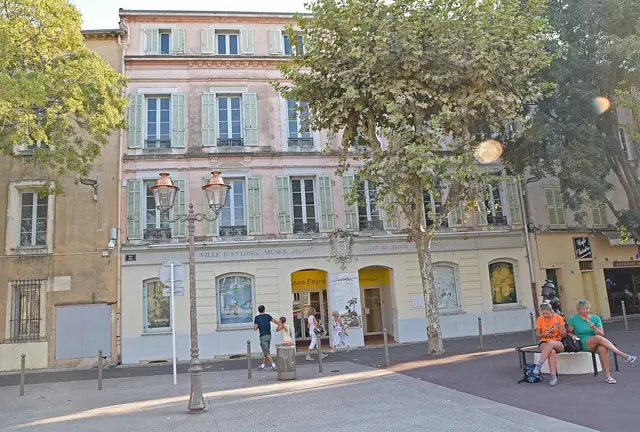
Museum housed in the Saint-André bastion designed by Vauban, devoted to ancient Antipolis, with finds from land and underwater excavations.
No sound? Check your device’s silent switch.
Have only individual sections read aloud
About the museum
The archaeological collections of Antibes begin in the 16th century with the discovery of Gallo-Roman inscriptions, including the stele of the child Septentrion. In 1928 Romuald Dor de La Souchère set up a first history museum in the Château Grimaldi. In the 1950s the discovery of numerous shipwrecks led the town to create a museum dedicated to archaeology, which opened in June 1963.
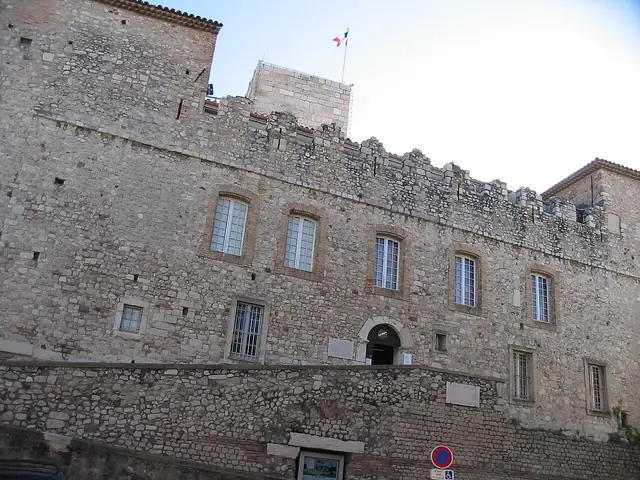
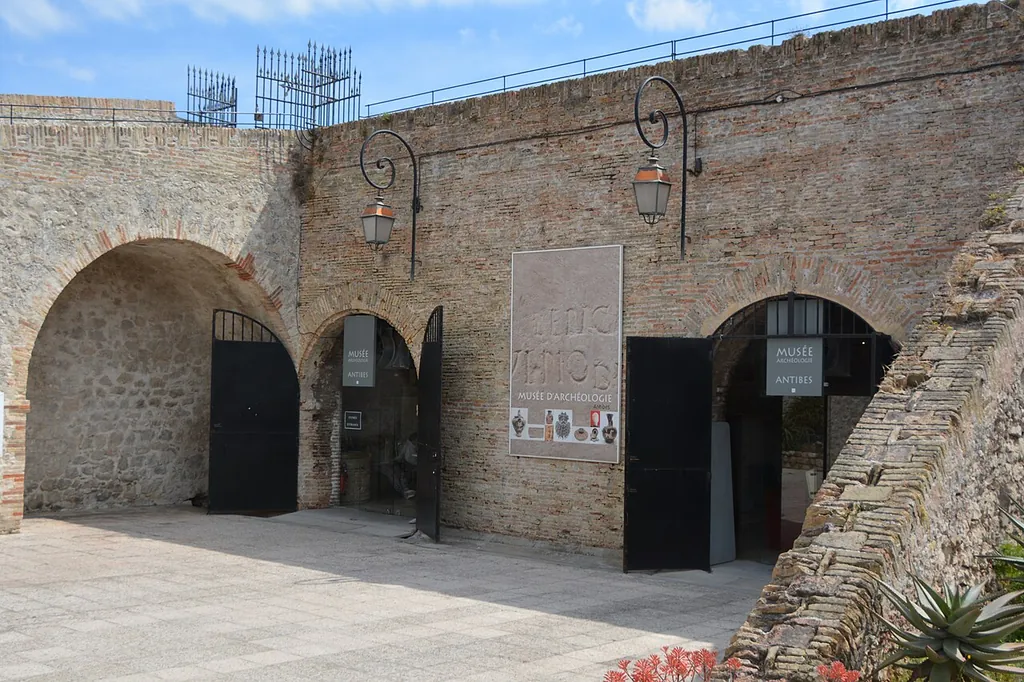
The museum occupies the Saint-André bastion, also called “bastion 17”, built in 1698 to Vauban's plans at the southern end of the ramparts of Antibes. Its two brick-vaulted galleries served as the garrison's refectory; the building also includes an underground cistern and bakery ovens. It has been listed in the supplementary inventory of historic monuments since 1930.
The objects, from land and underwater excavations, trace the history of Antipolis from the 7th century BC to the 5th century AD. They are presented by theme: the origins of Antibes, the Mediterranean world, the sea, funerary beliefs, rural life and city life.
Highlights
- Galet de Terpon, the oldest inscription in Antibes
- Stele of the dancing child Septentrion
- Objects from the wreck of the Tradelière
- Etruscan, Massaliot and Greek ceramics
- Hexagonal mosaic and marble fountain from a 2nd-century residence
- Founded
- 1963
- Operated by
- Ville d'Antibes Juan-les-Pins
Admission & discounts
| Adults | €5 |
|---|---|
| Reduced | €3Students, large families, teachers and others |
| Children & teens | freefree up to age 17 · Free for under-18s. |
| Visitors with disabilities | freecompanion free · Free for holders of a disability allowance and their companions. |
| Groups (11+ people) | €3 per personReduced rate for groups of more than 10 people; free entry for the guide-lecturer. School groups and social-sector groups enter free, accompanying adults included. |
| Combined ticket for the municipal museums and Fort Carré (valid for 7 consecutive days) | €15 |
Free admission: Free for everyone during the European Archaeology Days
Free admission also for holders of the “lol 16–25” card and for job seekers. Payment by cheque is discouraged.
Accessibility
- Wheelchair accessible
- Elevator: no information
- Accessible restroom: no information
- Accessible parking: no information
- Service dogs welcome
- Tactile models & exhibits
- Sign language tours: no information
- Easy-to-read materials: no information
- Audio description: no information
The museum is accessible to people with reduced mobility. Tactile reproductions of Gallo-Roman ceramics are available for visually impaired visitors on request, in advance. Adapted visits are possible by reservation for people with intellectual disabilities. Guide dogs are welcome.
Kids & families
Great for kids & families
| Kids’ admission | free up to age 17 |
|---|
- Family tours & workshops
Activities for toddlers and children, educational visits and workshops.
Getting there & parking
By car
Parking available · 700 m to the entrance
Parking du Ponteil, boulevard Maréchal Leclerc.
Parking near the museum is difficult; it is advisable to be dropped off in front of the entrance.
Get directionsAmenities & dining
- Museum shop
Shop on site. Suitcases, luggage and backpacks cannot be left in the museum.
Events & venue rental
The museum hasn’t published any information on this.
Plan your visit
| Guided tours | yes |
|---|---|
| School programs | yes |
| Good to know | Guided tours are free once the entrance ticket has been paid, for groups of three or more. Activities are offered for schools, young children and visitors with specific needs. |