Musée de l'Électricité de Bourgogne – Hippolyte Fontaine
Association-run museum in Saint-Apollinaire near Dijon, free of charge, devoted to uses of electricity: lighting, sound and image, industry, measurement and household appliances.
No sound? Check your device’s silent switch.
Have only individual sections read aloud
About the museum
The museum is run by the ACEL association, founded in 1992 by Pierre Chaillot and Jean-Charles Montuelle with the aim of making the applications of electricity known through a museum. The association relies entirely on volunteers, and its collections have grown over the years through donations.
The museum is named after Hippolyte Fontaine, born in Dijon in 1833. This engineer, working with Zénobe Gramme, helped adapt the dynamo to many industrial uses and helped establish the French electrical industry. He was also one of the organizers of the 1881 Paris Electricity Exhibition. Gramme's dynamo is among the objects on display.
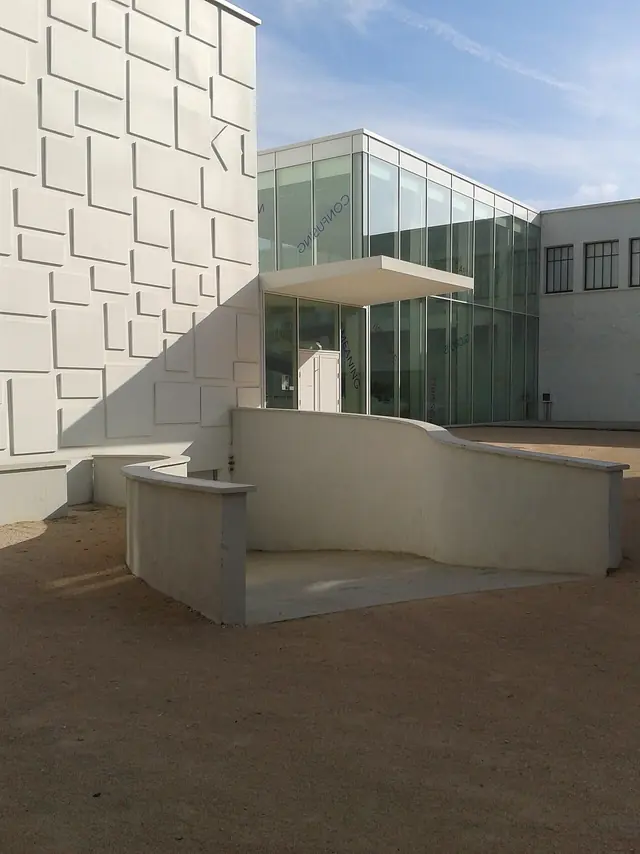
The museum is located within the Dijon Métropole sports complex, at the end of the avenue behind the tennis courts. It offers visits for the public and for school groups, with simple experiments on batteries and motors.
Highlights
- Five themed areas: lighting, sound and image, industry, measurement and household appliances
- Gramme's dynamo among the exhibits
- Tribute to Hippolyte Fontaine, pioneer of the French electrical industry
- Free admission, free tours and free parking
- Simple experiments on batteries and motors for school groups
Permanent exhibition
- Collections permanentes du musée de l'électricité – Five themes: lighting, sound and image, industry, measurement and household appliances, including Gramme's dynamo.
- Operated by
- Association ACEL (bénévoles)
Admission & discounts
Admission is free.
Admission and visits are free. The association offers membership at €30 per year to support the museum (tax-deductible).
Accessibility
- Wheelchair accessible
- Elevator: no information
- Accessible restroom: no information
- Accessible parking: no information
- Service dogs welcome: no information
- Tactile models & exhibits: no information
- Sign language tours: no information
- Easy-to-read materials: no information
- Audio description: no information
The museum states that it is accessible to people with disabilities.
Kids & families
The museum hasn’t published any information on this.
Getting there & parking
By public transit
Complexe Sportif
Liane L8 bus to the Complexe Sportif stop (connection to tram T1 at the Parc des Sports stop); or B19 bus to the Champ Prieur stop from the Grésilles Trimolet tram stop; F43 bus (Bons Compagnons stop).
By car
Free parking
Large free car park of the Dijon Métropole sports complex.
After entering the complex, follow the central avenue and the signs: the museum is about 200 m away, behind the tennis courts.
Get directionsAmenities & dining
The museum hasn’t published any information on this.
Events & venue rental
The museum hasn’t published any information on this.
Plan your visit
| School programs | yes |
|---|---|
| Good to know | Visits for school classes from CP (first year of primary school) to higher education, with simple experiments on batteries and motors that can be reproduced in class. Groups (up to 25 to 30 people) are received every day of the week, by appointment only. |