Musée des Beaux-Arts de Libourne
Musée de France on the third floor of Libourne's town hall, with works from European schools from the 14th to the 20th century.
No sound? Check your device’s silent switch.
Have only individual sections read aloud
About the museum
The Musée des Beaux-Arts de Libourne was founded in 1818 at the request of Duke Élie Decazes, Minister of the Interior under Louis XVIII and a native of the Libourne area. He had several major works from the state collections held at the Louvre sent to the Gironde. The museum now holds the “Musée de France” label.
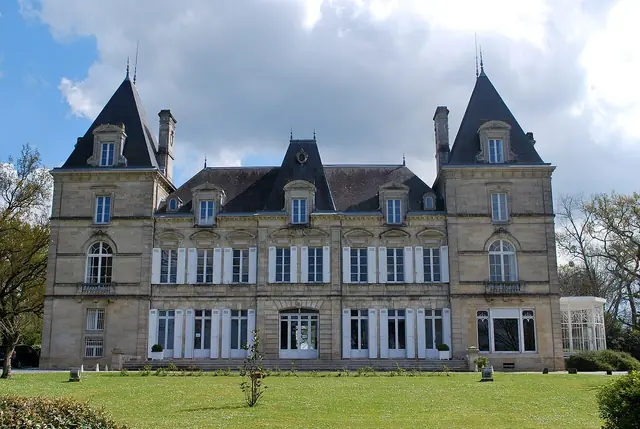
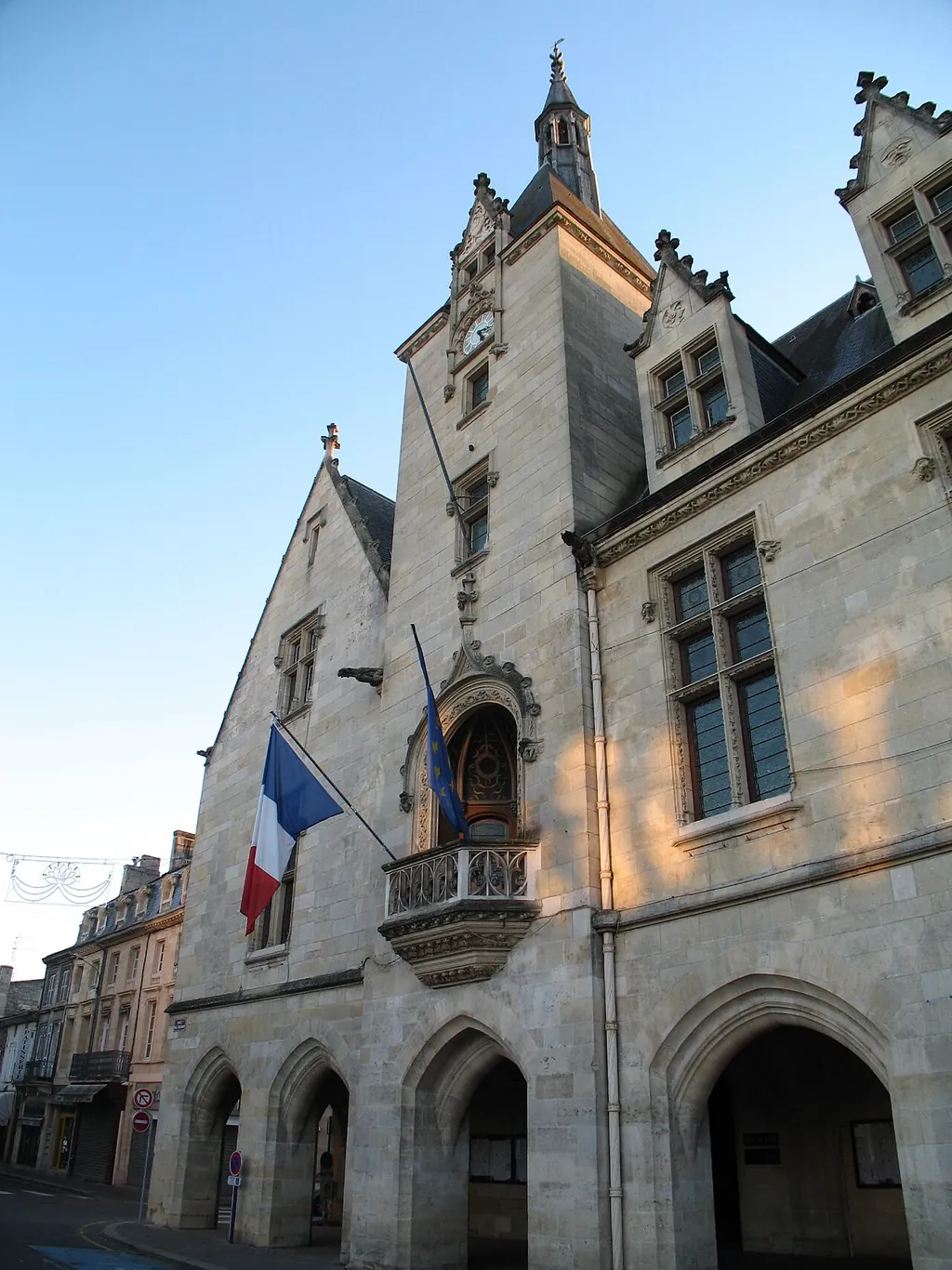
It is housed in the town hall, a building dating from the 15th century and enlarged at the beginning of the 20th century. The collections grew over time through purchases, gifts and bequests, and through the deposit in 1952 of some sixty works from the town of Créon, from the Bertal bequest.
The permanent display presents paintings, drawings and sculptures from the 14th to the 20th century: Sienese and Florentine schools, Northern painters such as Cranach the Elder and Rubens, the Italian Renaissance, a work by Bartolomeo Manfredi, the 18th century, academic and Impressionist painting, then Rodin, Dufy, Foujita and Kisling. The museum also highlights artists from Libourne, such as René Princeteau, Théophile Lacaze and Alphonse Giboin, and holds some 2,500 glass plate negatives by the photographer Henry Guillier.
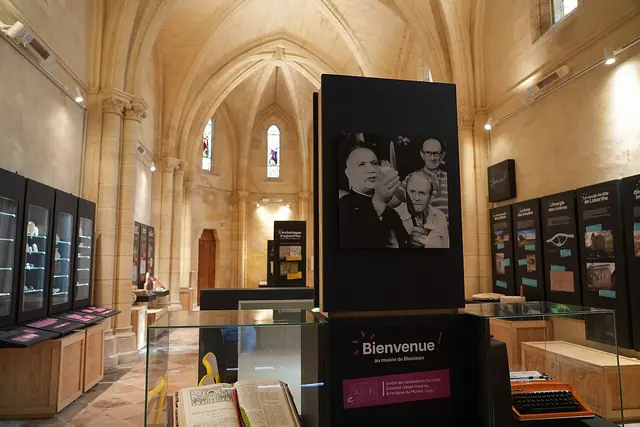
In 2023, a stocktake of the storerooms revealed a third version of the painting Atalante et Hippomène by Guido Reni, which was then studied and restored. Since 2010, temporary exhibitions have been held in the former Carmelite chapel, attached to the museum.
Highlights
- Permanent collections from the 14th to the 20th century in the town hall
- Works by Rubens, Manfredi, Rodin, Dufy and Foujita
- Guido Reni painting rediscovered in storage in 2023
- Works by Libourne artists such as René Princeteau
- Free admission and multisensory route
Permanent exhibition
- Collections permanentes du musée des Beaux-Arts – An overview of European schools from the 14th to the 20th century, with works by artists from Libourne and a collection of photographic glass plates.
- Founded
- 1818
- Operated by
- Ville de Libourne
- Visitors per year
- approx. 21,357
Admission & discounts
Admission is free.
| Children & teens | free |
|---|---|
| Groups | free per personGroups by prior registration, free of charge. |
Admission to the permanent collections is free. Guided tours for school classes and workshops for children are also free.
Accessibility
- Wheelchair accessible: no information
- Elevator: no information
- Accessible restroom: no information
- Accessible parking: no information
- Service dogs welcome: no information
- Tactile models & exhibits
- Sign language tours: no information
- Easy-to-read materials
- Audio description: no information
A multisensory route lets visitors look, touch, listen and sometimes smell. A visitor booklet in easy-to-read language (FALC) is available free of charge, along with room texts and large-print labels.
Kids & families
Great for kids & families
- Family tours & workshops
- Activity booklet, scavenger hunt or kids’ audio guide
- Hands-on stations
The museum has signed the Môm'Art charter for welcoming families. The “Pattes Bleues” workshops welcome children aged 7 to 12 for two hours, free of charge and by registration. The Cub'Art is a discovery box for children aged 18 months to 5 years, usable in the collections. A museum guide written by children and games in the Wivisites app complete the offer.
Getting there & parking
The museum is on the third floor of the town hall, Place Abel Surchamp.
Get directionsAmenities & dining
- Museum shop
A shop in the museum and another in the Carmelite chapel offer postcards and catalogs. Postal dispatch is possible within France and abroad.
Events & venue rental
The museum hasn’t published any information on this.
Plan your visit
| Guided tours | yes · approx. 60 min |
|---|---|
| Audio guide | yes |
| School programs | yes |
| Good to know | Free audio guide via the Wivisites app, available in ten languages, to download to a smartphone. Themed visitor booklets are available at reception, as well as booklets in English. Groups and school classes book a one-hour guided tour Monday to Friday at 05 57 55 57 43. |