Musée du Veinazès
Rural museum in Cantal telling the story of farm life in the 20th century, with village workshops, agricultural machinery and folk art.
No sound? Check your device’s silent switch.
Have only individual sections read aloud
About the museum
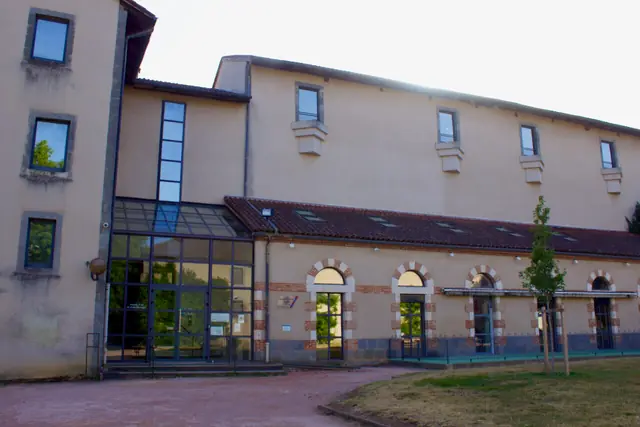
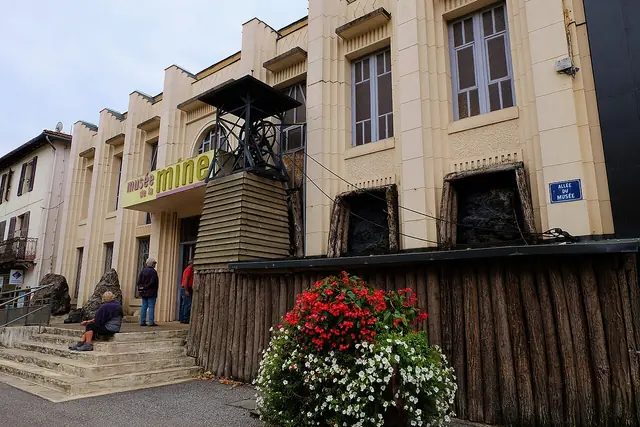
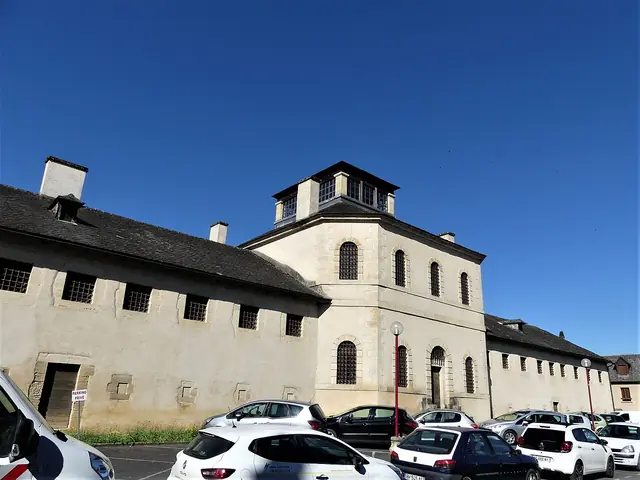
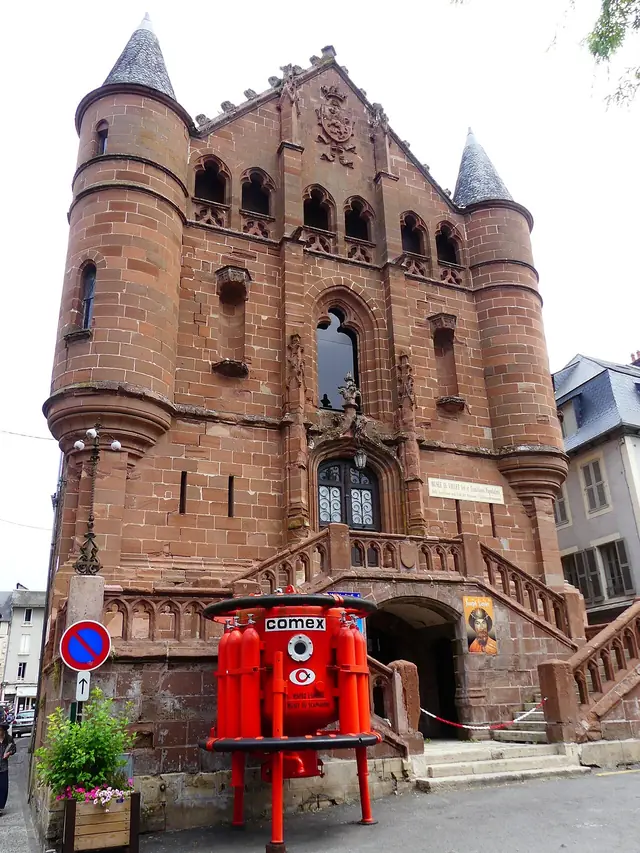
The Musée du Veinazès, located in the village of Lacaze in Lacapelle-del-Fraisse, tells the story of rural life in the 20th century through thousands of objects. Its founders still run the museum and lead the guided tours themselves. The project dates from 2001, and the museum has been expanding regularly for more than twenty years.
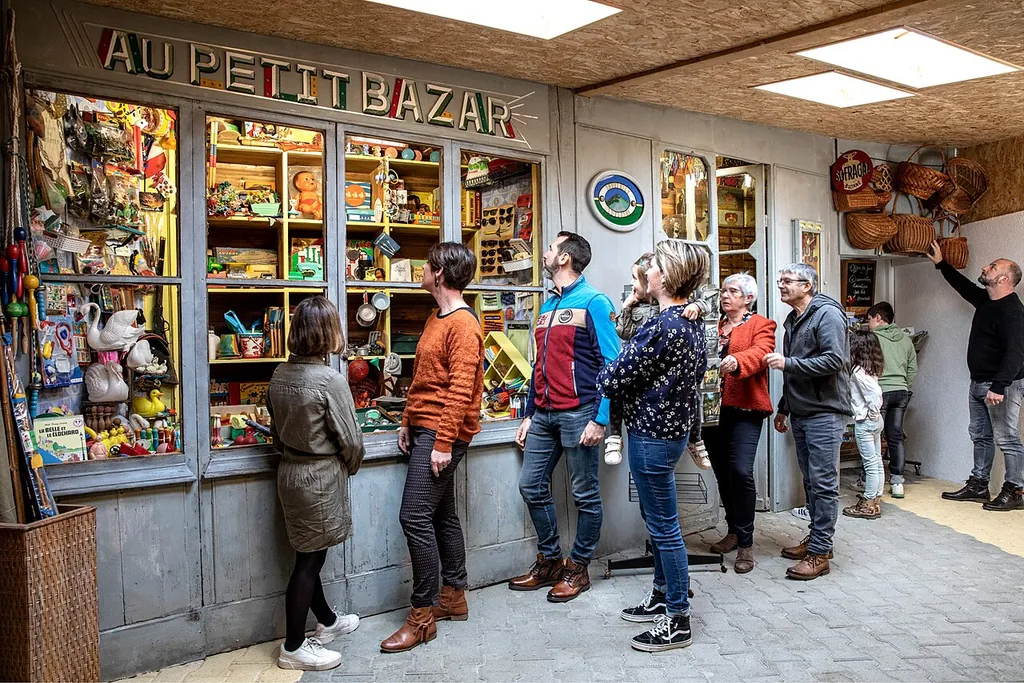
The route includes some twenty spaces over more than 600 m². Fully preserved and reconstructed village workshops can be seen, such as the forge (1920), the joinery (1922) and the clog-making workshop (1930), as well as basketry, distilling and wine-making. A small bazaar from the 1960s and 1970s recalls the shops of the past. Farming techniques between 1880 and 1970 are illustrated by threshing machines, a steam traction engine, engines and tractors, some of which are started during the guided tour.
The museum also presents a collection of contemporary folk art, including the sheet-metal sculptures of René Delrieu, and an area on the Auvergnats of Paris. It was the first cultural venue in Cantal to receive the three national Tourisme et Handicap labels, for motor, visual and intellectual disabilities.
Highlights
- Reconstructed village workshops: forge, joinery, clog-making
- Farm machinery including a steam traction engine, started during the visit
- Small bazaar of the 1960s and 1970s
- Folk art, including the sheet-metal sculptures of René Delrieu
- Fully accessible visit with the Tourisme et Handicap label
Permanent exhibitions
- Ateliers de village et savoir-faire artisanaux – Forge (1920), joinery (1922), clog-making (1930), basketry, distilling and wine-making, reconstructed in the museum’s rooms.
- Techniques agricoles de 1880 à 1970 – Threshing machines, a steam traction engine, engines and tractors illustrate the evolution of agriculture.
- Art populaire contemporain – Works of art brut, naive and singular art, such as the galvanized sheet-metal sculptures by René Delrieu.
Admission & discounts
| Adults | €5 |
|---|---|
| Reduced | €4Groups of 10 or more paying visitors, holders of a reduced-rate card, holders of the Pass Découverte 2026 (Aurillac tourist office) or of the Pass Avantages 2026 (Terres d’Aveyron tourist office) |
| Children & teens | €3Youth rate for ages 6 to 14: €3, or €2.50 at the reduced rate. |
| Groups (10+ people) | –The reduced rate applies to groups of 10 or more paying visitors. For groups on a discovery day (at least 10 people), the museum visit costs €4 per person. |
| Discovery day: village of Montsalvy and museum (groups, per person) | €7 |
No surcharge for guided tours. Payment only in cash, by check or with holiday vouchers (chèques-vacances); the museum does not accept bank cards.
Accessibility
- Wheelchair accessible
- Elevator: no information
- Accessible restroom: no information
- Accessible parking: no information
- Service dogs welcome
- Tactile models & exhibits: no information
- Sign language tours: no information
- Easy-to-read materials: no information
- Audio description: no information
According to the museum, 100% of the visit is accessible. The museum holds the Tourisme et Handicap labels for motor, visual and intellectual disabilities and submitted a renewal application in 2026. Dogs on leads are allowed in the rooms.
Kids & families
Great for kids & families
| Time needed | approx. 1.5 hrs |
|---|
- Family tours & workshops
Activities are offered to the youngest visitors during the visit.
Getting there & parking
The museum is located on the Aurillac–Rodez road (departmental road D 920), 4 kilometers from Lafeuillade-en-Vézie and 8 kilometers from Montsalvy.
Get directionsAmenities & dining
A documentation centre is attached to the museum.
Events & venue rental
The museum hasn’t published any information on this.
Plan your visit
| Guided tours | yes · approx. 1.5 hrs |
|---|---|
| Good to know | Self-guided visits take at least 45 minutes; the museum recommends allowing 1 hour 30 minutes. Guided tours are not timed and are led by the founders, including the starting of old farm machinery. |