October 2, 2026 – July 4, 2027
Minéraux. Bien plus que des cailloux
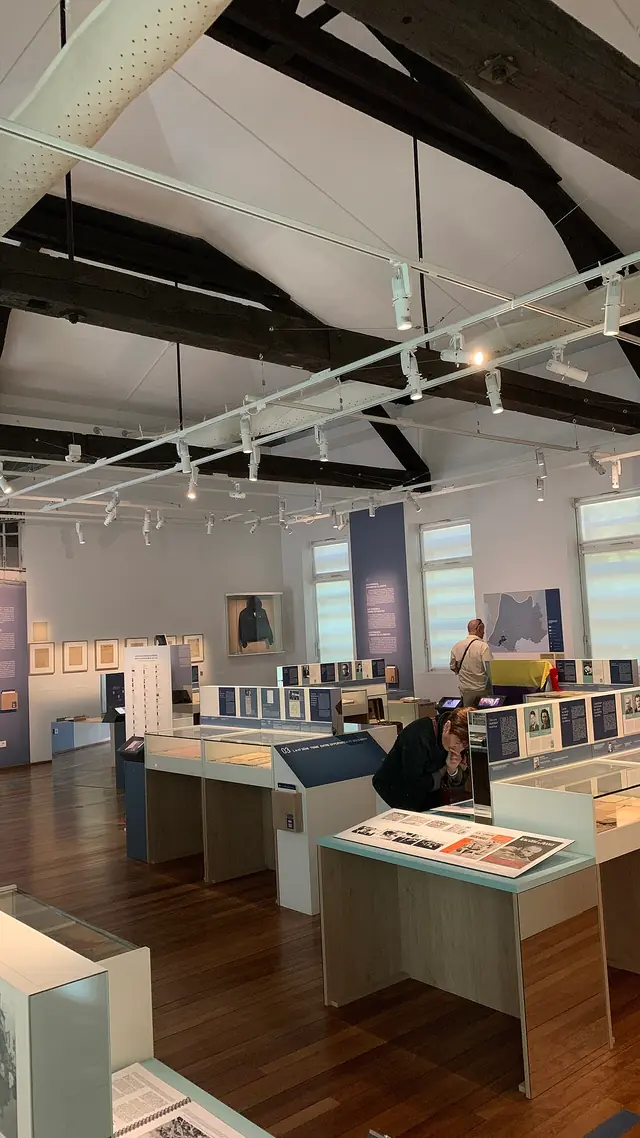
The role of minerals in human history: uses since the Palaeolithic, the effects of overexploitation, art and jewellery, and their presence in literature, cinema and video games.

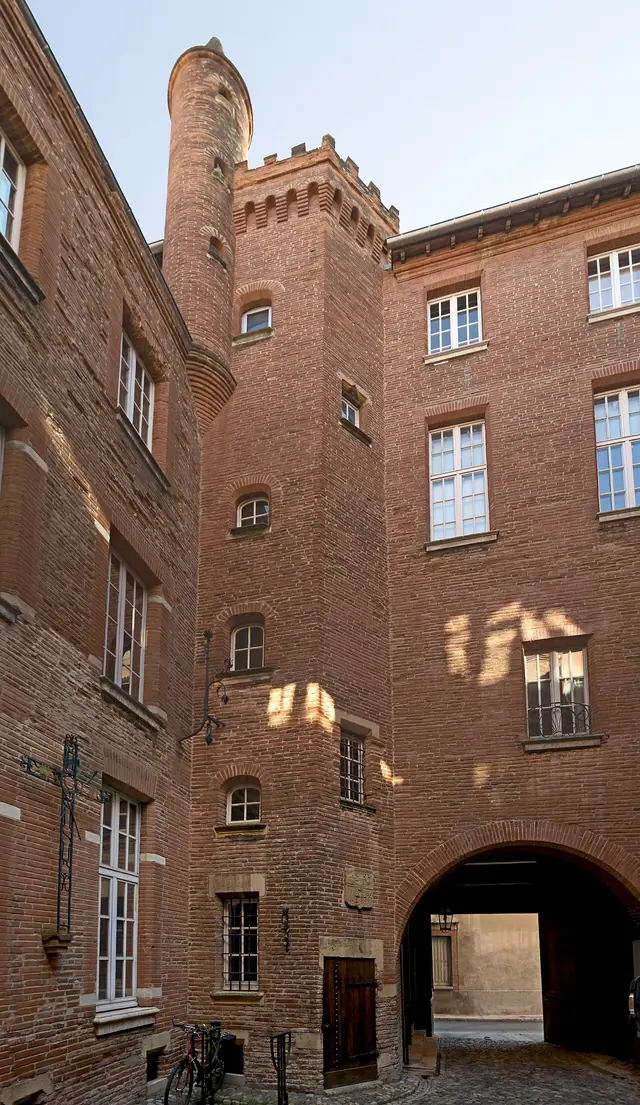
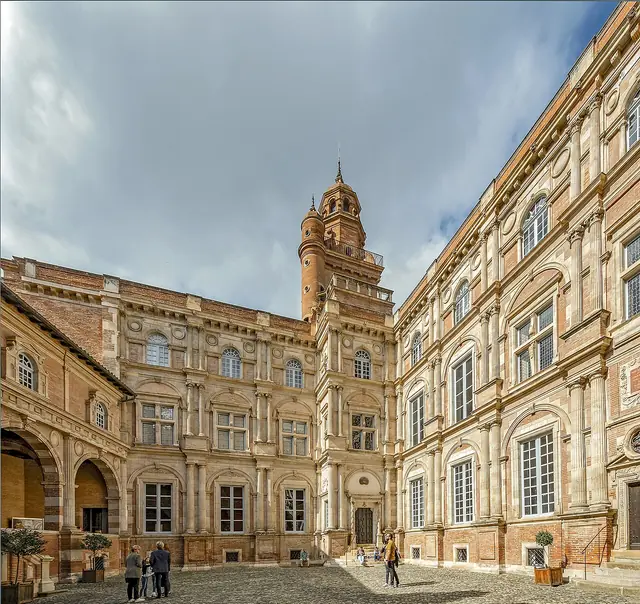
Natural history museum in Toulouse with around 2.5 million specimens, a botanical garden and the Jardins du Muséum at Borderouge.
October 2, 2026 – July 4, 2027
The role of minerals in human history: uses since the Palaeolithic, the effects of overexploitation, art and jewellery, and their presence in literature, cinema and video games.
The Muséum de Toulouse opened in 1865 to bring together specimens from the city’s museums and faculties, often donated by collectors, travellers and scientific expeditions. Its Galerie des cavernes, opened the same year, was the first of its kind in Europe: it displayed natural objects, fossils and finds from local cave excavations.
The collections were long reinforced in regional palaeontology and mineralogy. The Oceanian collections began in 1922 with the transfer of Gaston de Roquemaurel’s collection. After about ten years of renovation, the museum reopened in 2008 with open architecture, a dynamic route and interactive tools on the links between human beings, nature and the environment.
Today the museum holds around 2.5 million specimens and objects. Highlights include Punch, a stuffed Asian elephant in a dynamic pose, and the Montréal-du-Gers fossil site, about 17 million years old. The Henri Gaussen botanical garden on the museum grounds has been joined in recent years by the Jardins du Muséum at Borderouge. The museum is run by Toulouse Métropole.
| Adults | €9 |
|---|---|
| Reduced | €5Reduced rate with proof |
| Visitors with disabilities | –companion free · People with disabilities and their companion have priority access; the companion enters free of charge. |
| High season, during the temporary exhibition (full price) | €12Reduced rate €8. |
| Birthday, 45-minute guided tour (per child aged 4 to 12) | €8For up to 10 people, including 2 adults, at weekends. |
Free admission: First Sunday of the month (permanent collections only)
The low-season rate (€9, reduced €5) applies outside temporary exhibition periods. The ticket is valid from 10:00 to 18:00 with free exit and re-entry. Buying online gives direct access to the exhibition areas.
A manual wheelchair is lent free of charge at reception against ID. Tablets with French Sign Language content are available to borrow. Induction loops at reception, at the ticket counters and in the auditorium; documents in Braille and large print, reading machine and video magnifier. MUSEO’CALM kit with noise-cancelling headphones and calming objects. Guide dogs and tipped white canes are welcome.
Great for kids & families
| Time needed | approx. 2 hrs |
|---|
Workshops and visits for 3–6 and 7–12 year olds, activity areas on the second floor, birthday parties, a children’s media library and free lending of kits (Muséojeux bag, sensory trails). Much of the programme suits ages 7 and up. Pushchairs are welcome in the permanent collections but must stay in a designated area for the temporary exhibition in the basement; changing tables are in all the toilets.
The museum hasn’t published any information on this.
Le Moaï restaurant with home-cooked food. Museum shop, libraries and the Pourquoi pas? children’s media library are open to all. Eating is not allowed in the exhibition areas or in the botanical garden.
A contact form exists for private hire and for companies.
| Guided tours | yes |
|---|---|
| School programs | yes |
| Good to know | Allow about 2 hours for the permanent collections. The quietest times are Fridays, Saturdays and mornings; the busiest is around 15:00 at weekends and during the Zone C school holidays. Dogs are not admitted, except guide dogs and assistance dogs. |
Loading experiences …