Bundesarchiv-Erinnerungsstätte Rastatt
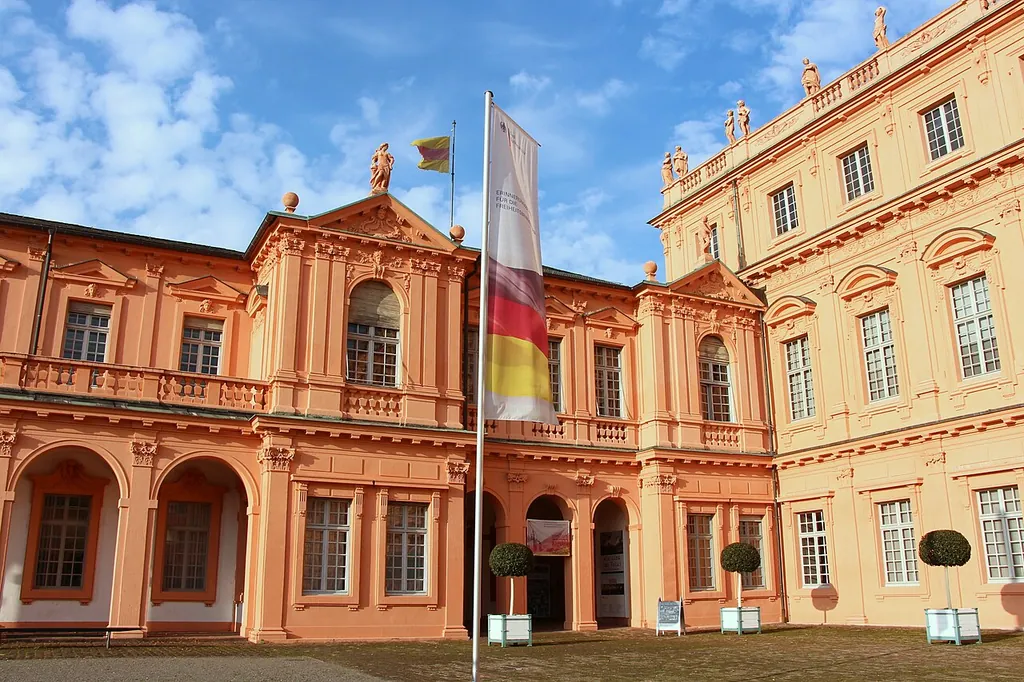
Exhibition by the Bundesarchiv (Federal Archives) in Rastatt Palace on German freedom movements from the Revolution of 1848/49 to the fall of the Berlin Wall in 1989.
About the museum
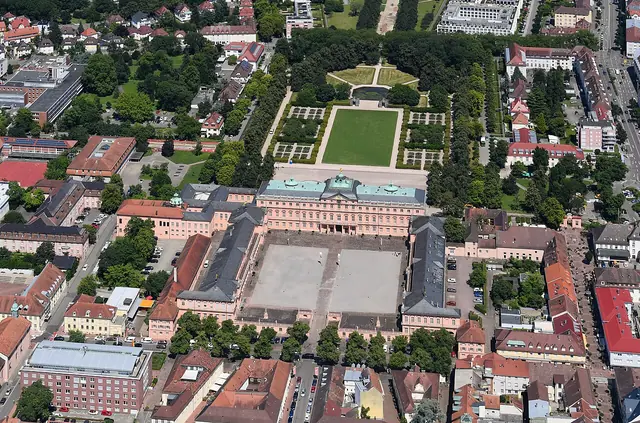
The memorial goes back to Federal President Gustav W. Heinemann, who was keen to anchor Germany's liberal democratic traditions more firmly in the awareness of the Federal Republic. On June 26, 1974, he opened it as a branch of the Bundesarchiv in Rastatt's Residenzschloss (residential palace) – deliberately at a central site of the Baden Revolution, whose final battles ended in the Rastatt fortress in 1849.
The tour on the first floor spans nine rooms, from early modern freedom movements through the social question and the years between 1789 and 1848 to the March Revolution. It covers in detail the Frankfurt National Assembly, the Basic Rights of the German People as a forerunner of the Weimar Constitution and the Basic Law, the struggle for the Imperial Constitution in 1849, and the fate of the revolutionaries who went into exile, above all to the USA.
In 2009 a second permanent exhibition on opposition and resistance in the GDR was added on the upper floor. Five rooms range from the popular uprising of June 17, 1953 through youthful nonconformity and church-related peace, environmental and human rights groups to surveillance by the Stasi, the Peaceful Revolution and German reunification. The institution sees itself as a place of democratic learning with educational programs for school classes and has been supported by a friends' association since 1995.
Since August 1, 2026, the memorial has been temporarily closed due to urgent infrastructure work; no reopening date has been set yet.
Highlights
- The Revolution of 1848/49 at a historic site
- The Paulskirche Basic Rights as a model for the Basic Law
- Exhibition on opposition and resistance in the GDR
- Place of learning of the Bundesarchiv founded by Gustav Heinemann in 1974
- Free admission
Permanent exhibitions
- Freiheitsbewegungen im 19. Jahrhundert und die Revolution 1848/49 – Nine rooms ranging from early freedom movements through the March Revolution, the National Assembly and the Basic Rights to the Imperial Constitution campaign and emigration; not accessible during the closure.
- Freiheitsbewegungen in der DDR 1949–1989 – Five rooms on resistance and opposition in the GDR from June 17, 1953 to the Peaceful Revolution and reunification; not accessible during the closure.
- Founded
- 1974
- Operated by
- Bundesarchiv
Admission & discounts
Admission is free.
| Children & teens | –Free admission for everyone. |
|---|---|
| Groups | –Guided tours after registration confirmed in writing, €40 per group; in a foreign language (in exceptional cases) €60; a second tour is recommended for groups of 30 or more. Casemate tour by the Historischer Verein Rastatt an additional €60. |
Free admission; the memorial is not included in the palace ticket.
Accessibility
- Partially wheelchair accessible
- Elevator: no information
- Accessible restroom: no information
- Accessible parking: no information
- Service dogs welcome
- Tactile models & exhibits: no information
- Sign language tours: no information
- Easy-to-read materials: no information
- Audio description: no information
According to the house rules, not all rooms are accessible; staff assist visitors with limited mobility. Assistance dogs allowed.
Kids & families
The museum hasn’t published any information on this – please ask the museum directly.
Getting there & parking
By public transit
Schloss
From Rastatt train station, take bus line 232 or 235 to the "Schloss" stop, or walk through the underpass in about 10 to 15 minutes.
By car
Paid parking
Around 50 paid public car parking spaces nearby; two free public bus parking spaces.
Take the A 5, exit Rastatt-Nord, and the B 462 or B 3/B 36 into the city center, then turn onto Herrenstraße at the Badner Halle. GPS address: Herrenstraße 18, 76437 Rastatt.
Get directionsAmenities & dining
- Coat check
- Lockers
Free cloakroom and lockers in the reception room. Exhibition catalogs €5 each.
Events & venue rental
The museum hasn’t published any information on this – please ask the museum directly.
Plan your visit
| Guided tours | yes |
|---|---|
| School programs | yes |
| Photography | Private photography and video recording allowed, without flash or tripod. |
| Good to know | Guided tours by freelance history educators by advance registration only; free cancellation possible. Worksheets for school classes; virtual tour on the Bundesarchiv website. |