One of the oldest museums in Europe (1754): Old Masters such as Vermeer and Rembrandt, a cabinet of curiosities, the Brunswick Lion and decorative arts from 3,000 years.
Opening hoursAdmission from €9 Wheelchair accessible Café
In memory of the Braunschweig artist who died in 2026, the museum is showing for the first time ink drawings from his student years in which he processes his experiences of war as a child.
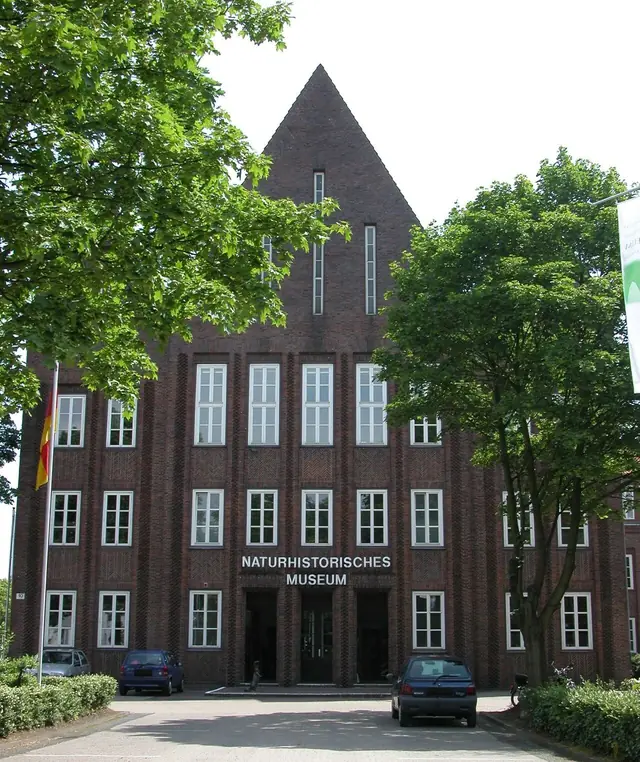
Together with the Staatliches Naturhistorisches Museum and the HBK Braunschweig (Braunschweig University of Art), the museum places nature studies and curiosities from 1500 to 1900 alongside taxidermy specimens, watercolors by Astrid Köppe and new prints by students.
About the museum
In 1754 Duke Charles I of Brunswick-Lüneburg opened the “Herzogliches Kunst- und Naturalienkabinett” (Ducal Cabinet of Art and Natural History) to the public, creating one of the first public museums in Europe. The museum is named after Charles's predecessor Duke Anton Ulrich, a passionate collector to whom the core of the Baroque holdings goes back; his picture gallery was housed in the pleasure palace of Salzdahlum.
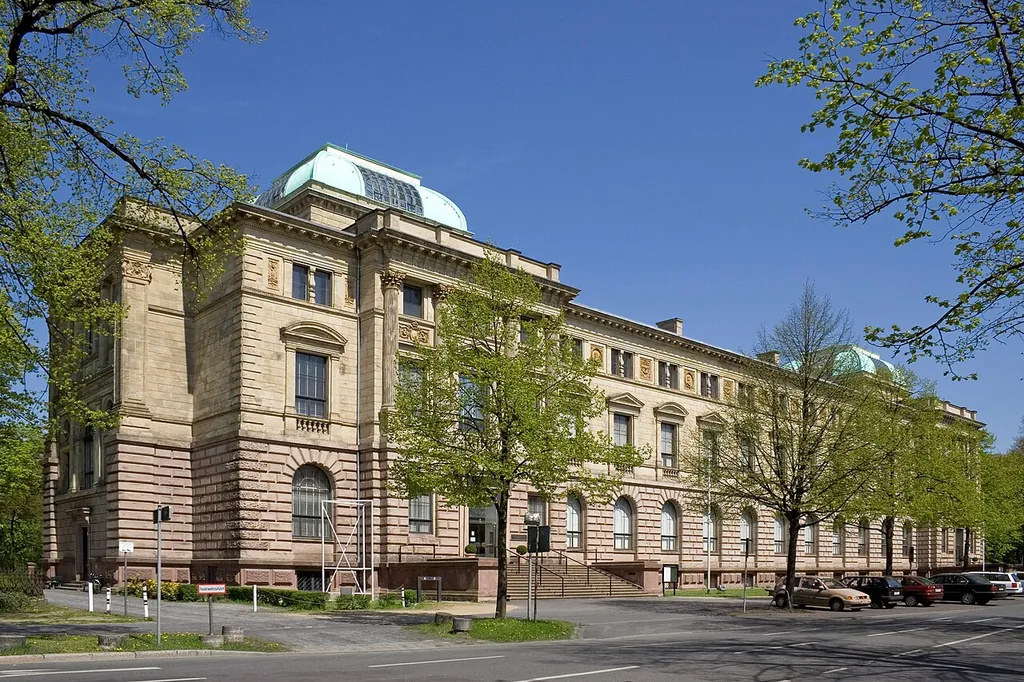
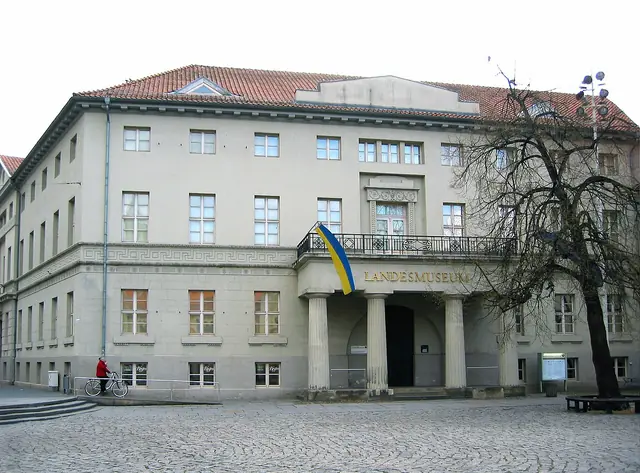
After the occupation by Napoleonic troops in 1806, many major works were taken to Paris and only returned after the Wars of Liberation. In the 19th century the natural history holdings were separated; they became today's Staatliches Naturhistorisches Museum. In 1887 the art collections moved into the museum building on Museumstraße designed by Oskar Sommer in the style of the Italian Renaissance. The museum has borne its current name since 1927, and after World War II the state of Lower Saxony took over responsibility for it.
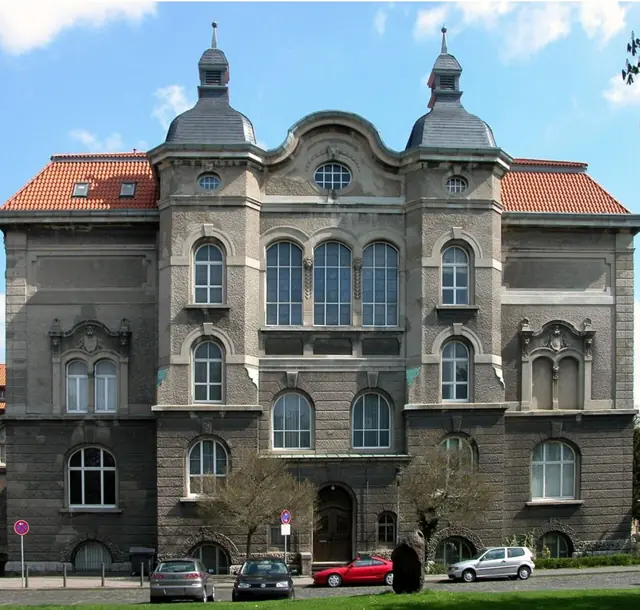
From 2008 an extension for the department of prints and drawings, the library, workshops and administration was built in the Museumpark, after which the old building was gutted and thoroughly renovated. Since reopening on October 23, 2016, the museum has displayed around 4,000 works from three millennia on about 4,000 square meters, including paintings by Rembrandt, Rubens, Vermeer and Giorgione, sculpture, porcelain, maiolica and East Asian art; the entire collection comprises around 190,000 objects.
The medieval collection was long exhibited in Burg Dankwarderode. Because the building has serious structural defects, it is closed, and the top pieces such as the Brunswick Lion have moved to the main building. The state and the city aim to make the castle usable again by the city's 1,000th anniversary in 2031. The museum is part of the 3Landesmuseen Braunschweig group.
Highlights
Johannes Vermeer's “Mädchen mit dem Weinglas” (Girl with the Wine Glass)
Rembrandt's “Familienbild” (Family Portrait) and Giorgione's “Selbstbildnis als David” (Self-Portrait as David)
The Brunswick Lion and the imperial mantle of Otto IV from the medieval collection
Cabinet of curiosities with a goblet made of narwhal tusk (“unicorn”)
Silver furniture of the House of Welf from Augsburg workshops (1725–1730)
Department of prints and drawings with works on paper from Dürer to Picasso (by appointment)
Permanent exhibitions
Gemäldegalerie – On the second floor, around 320 paintings hang in thematically designed rooms, from Venetian painting through Rubens and Rembrandt to Vermeer; each picture is individually explained.
Angewandte Kunst und Skulpturen – About 3,000 objects from antiquity to the 18th century in colorfully designed rooms on the third floor, including Fürstenberg porcelain, maiolica, Limoges enamels, East Asian art and a cabinet of curiosities.
Rendezvous mit dem Löwen. Spitzenstücke aus der Burg Dankwarderode zu Gast – As long as Burg Dankwarderode is closed, the ground floor shows the main works of the medieval collection in eight themed sections, including the Brunswick Lion, the runic casket, the arm reliquary of St. Blaise and the imperial mantle of Otto IV.
Founded
1754
Operated by
3Landesmuseen Braunschweig (Land Niedersachsen)
Director
Dr. Thomas Richter (Leitender Museumsdirektor)
Admission & discounts
Adults
€9
Reduced
€7School and university students, trainees, the unemployed, people doing federal voluntary service, people with severe disabilities with a disability rating (GdB) of 50 or more, groups of 10 or more, and holders of the Braunschweig-Pass, Ehrenamtskarte Niedersachsen (volunteer card), artCard and MuseumsCard Braunschweig (from the 2nd visit)
Children & teens
€2free up to age 5 · Children under 6 free, children and teens aged 6 to 17 €2.
Seniors
–No senior discount listed.
Visitors with disabilities
€7companion free · Reduced admission with a disability rating (GdB) of 50 or more; one companion of a severely disabled person who requires assistance is admitted free.
Students & apprentices
€7Reduced admission for school and university students and trainees; students of the HBK Braunschweig admitted free.
Groups (10+ people)
€7 per personGroups of 10 or more pay reduced admission. Themed guided tours for groups of up to 20: 60 min €50, 90 min €75, plus reduced admission; book at least 14 days in advance. Learning groups and their accompanying adults are admitted free.
Families
€18Family ticket II for 2 adults and up to 3 children; family ticket I (1 adult and up to 3 children) €11.
Annual pass €30, family annual pass €60 (1 adult) or €75 (2 adults), each with up to 3 children; annual pass for all 3Landesmuseen Braunschweig €60. Combination with the Staatstheater Braunschweig: with a theater ticket from the same day or the day before, reduced museum admission applies (and vice versa, 15% off theater tickets). Free admission including for members of the friends' association, ICOM, the Deutscher Museumsbund and the Museumsverband Niedersachsen und Bremen, and with the MuseumsCard Braunschweig on the first visit; special events such as the Museum Night are excluded. No online ticket shop on the website.
Accessibility
Wheelchair accessible
Elevator
Accessible restroom: no information
Accessible parking: not available
Service dogs welcome
Tactile models & exhibits: no information
Sign language tours: no information
Easy-to-read materials: no information
Audio description: no information
According to the museum, the main building is accessible; all exhibition rooms can be reached by elevator. Burg Dankwarderode (currently closed) is not accessible. Assistance dogs are allowed on presentation of an ID at the information desk. There is no dedicated parking. Inclusive storytelling projects (TimeSlips) in front of paintings for people with dementia and with learning disabilities.
Kids & families
Great for kids & families
Kids’ admission
free up to age 5
Family ticket
€18 · Family ticket II for 2 adults and up to 3 children; family ticket I (1 adult and up to 3 children) €11.
Family tours & workshops
Baby changing facilities
Kids’ birthday parties
Children's birthday parties with changing themes (depending on the theme for ages 5, 7 or 8 and up, 90–120 min), the children's club “HAUMi-Club” and “Baby-Barock”, a 45-minute tour for parents with babies (baby carrier/wrap recommended). Strollers can be parked in the museum, and there is a baby changing area. More family events in the quarterly program.
Getting there & parking
By public transit
Museumstraße
Tram 4 and 5 and bus 412 and 413 to “Museumstraße”; bus 230, 411, 413, 416, 422 and 423 to “Staatstheater”; tram 1, 2, 3, 4 and 10 to “Rathaus” (a few minutes' walk).
By car
Parking available
No museum parking; nearby parking garages Magni (Mon–Sat), Wilhelmstraße (daily) and Schloss-Arkaden (also on Sundays).
Café + Bistro Anton's with a terrace facing the Museumpark (breakfast, lunch, cake; Tue–Fri 9:00–18:00, Sat/Sun 10:00–18:00). Museum shop. Jackets and bags are not allowed in the exhibition rooms; cloakroom lockers on the ground floor (€2 coin). Free Wi-Fi (Telekom_free, three hours).
Events & venue rental
No rental offer is listed on the website. According to the museum, since the renovation the building has an event room of about 250 m².
Plan your visit
Guided tours
yes · approx. 60 min
Audio guide
yes (DE, EN)
School programs
yes
Photography
Generally allowed in the permanent exhibitions, but without flash, tripod or selfie stick, keeping at least 1.5 m from the artworks and using only the existing lighting.