Museum on the history of the v. Bodelschwinghsche Stiftungen Bethel in the house where Bethel's work began in 1867, with life stories and hands-on stations.
The exhibition shows how Friedrich von Bodelschwingh saw the housing question as the key to the social question, and how, together with the Verein Arbeiterheim (workers’ housing association), he built around 400 residential houses for working families in Bielefeld.
About the museum
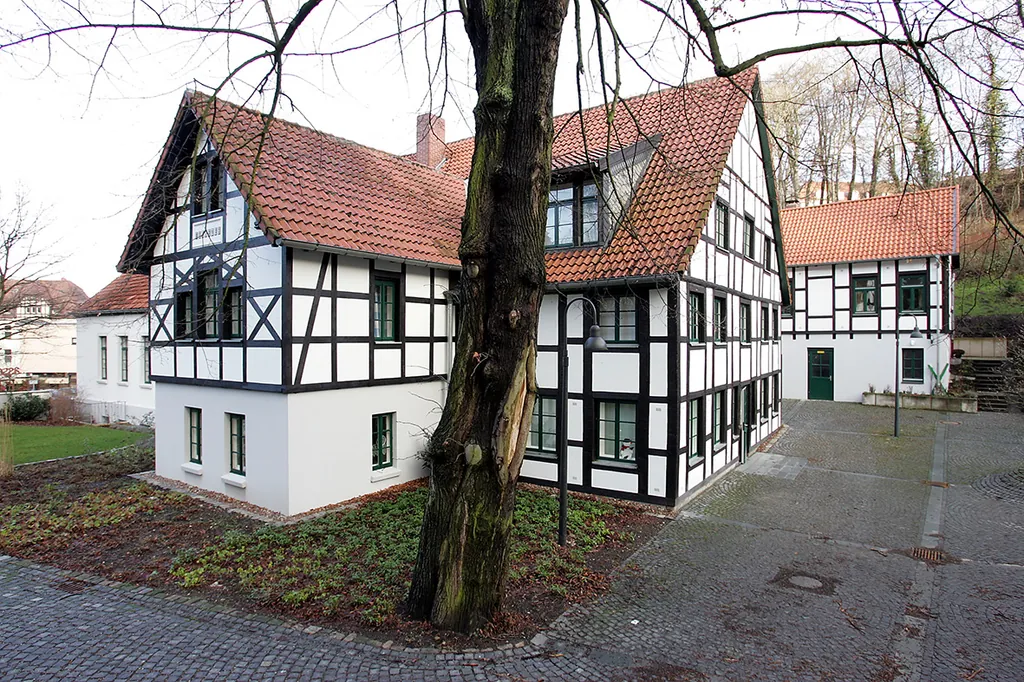
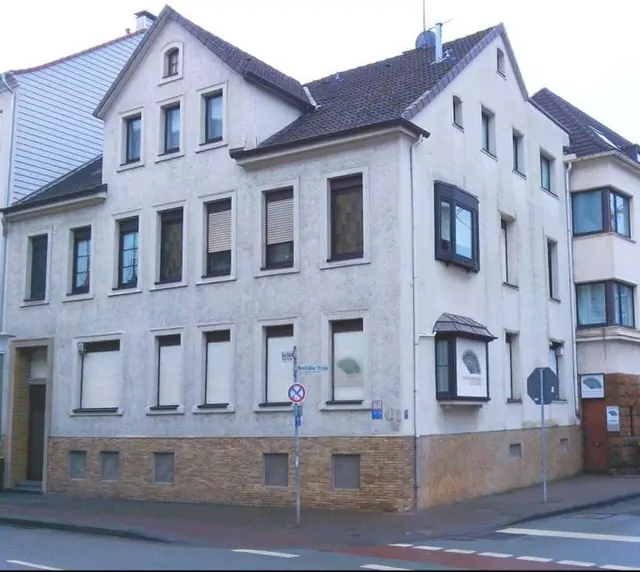
The museum shows the development of the v. Bodelschwinghschen Stiftungen Bethel and is located at Kantensiek 9 in Bielefeld-Bethel, in the Haus Alt-Ebenezer. Bethel's work began in the former farmhouse, which was converted in 1867 into a healing and care center for people with epilepsy. The listed building still belongs to the foundation today.
Across two floors, visitors can see and touch Bethel's history. The common thread running through the exhibition is the life stories of eleven people cared for in Bethel. Through them one can see how the care of people with disabilities and the options for treatment and therapy have changed, and what consequences this had for the institution.
Further areas are devoted to support for people without work or housing, the lives and work of the two directors of the Bodelschwingh institutions, and Bethel's role under National Socialism, including forced sterilization and euthanasia. In addition to general tours, there are thematic walks, for example on epilepsy treatment and psychiatry, on the development of facilities and care, or on the Bodelschwingh family. School classes and trainees can engage with the house through programs on care, the Nazi era and democracy.
Highlights
Life stories of eleven people cared for in Bethel as the common thread
House where Bethel's work began in 1867
Hands-on activities on historical care, for example with a wheelchair about 100 years old
Area on Bethel during National Socialism
Development of epilepsy treatment and psychiatry
Permanent exhibition
Dauerausstellung zur Geschichte Bethels – Across two floors, the exhibition uses eleven life stories to show how care, treatment and support in Bethel developed, up to the Nazi era.
Operated by
v. Bodelschwinghsche Stiftungen Bethel
Admission & discounts
The museum hasn’t published any information on this.
Accessibility
Wheelchair accessible: no information
Elevator: no information
Accessible restroom: no information
Accessible parking: no information
Service dogs welcome: no information
Tactile models & exhibits: no information
Sign language tours: no information
Easy-to-read materials: no information
Audio description: no information
The entrance is not wheelchair-accessible; a toilet is available.
Kids & families
Only partly suitable for kids
Family tours & workshops
Hands-on stations
Own tours for primary school children with many opportunities to try things out; the topics (disability, care, Nazi era) are aimed mainly at school age and adults.
The museum hasn’t published any information on this.
Events & venue rental
The museum hasn’t published any information on this.
Plan your visit
Guided tours
yes
School programs
yes
Good to know
Guided tours on various focus topics (epilepsy treatment and psychiatry, development of the institutions and care, the Bodelschwingh family). Programs for school classes and trainees on "Pflege" (care), including hands-on trying out; on forced sterilization and euthanasia (from grade 9, approx. 3 hours); and "Wissen stärkt Demokratie" (knowledge strengthens democracy; from grade 10 and for adults, 2 to 5 hours, up to 12 people). Primary school children have their own tours with hands-on activities.