Medizinhistorische Sammlung der Ruhr-Universität Bochum
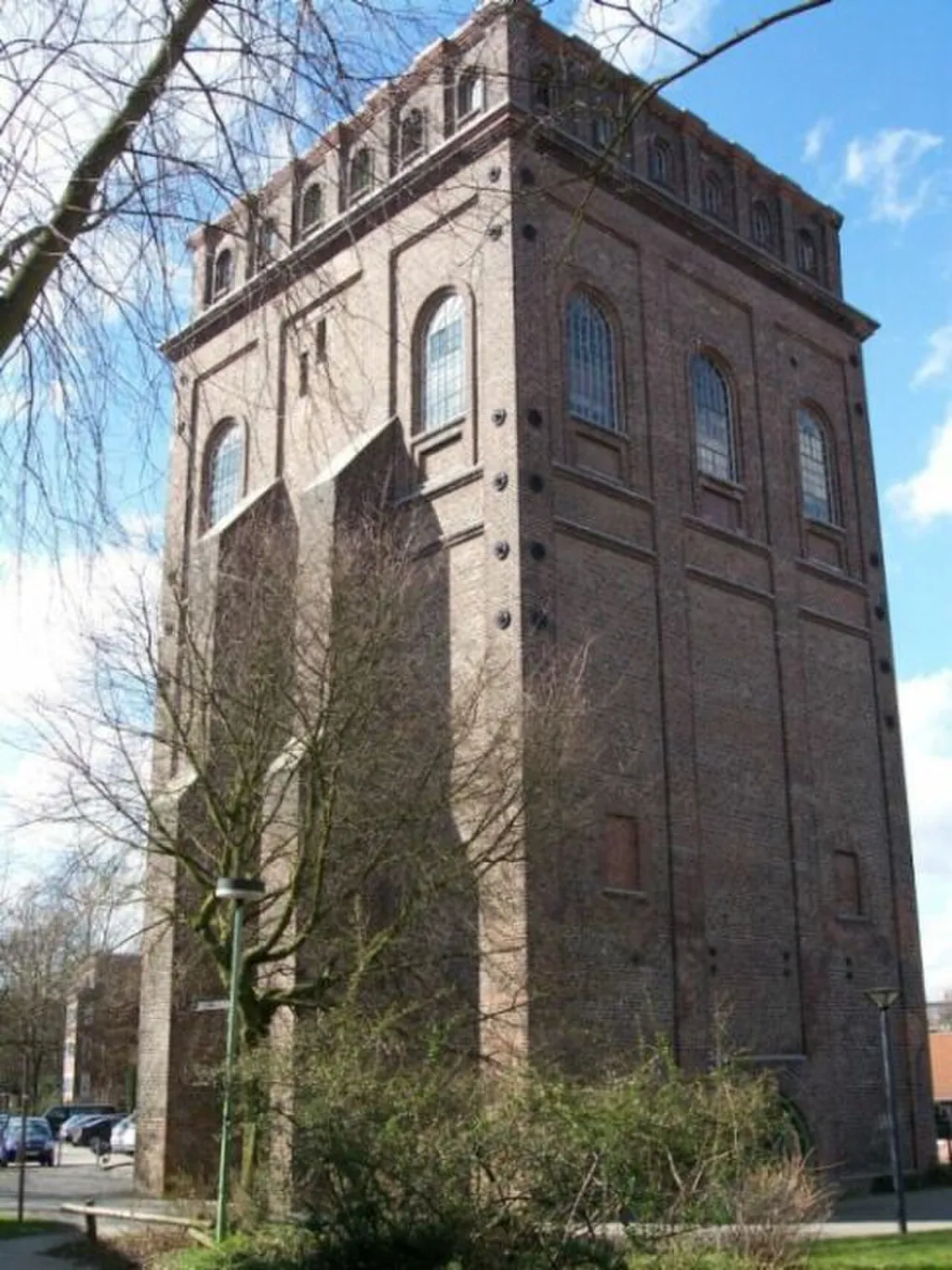
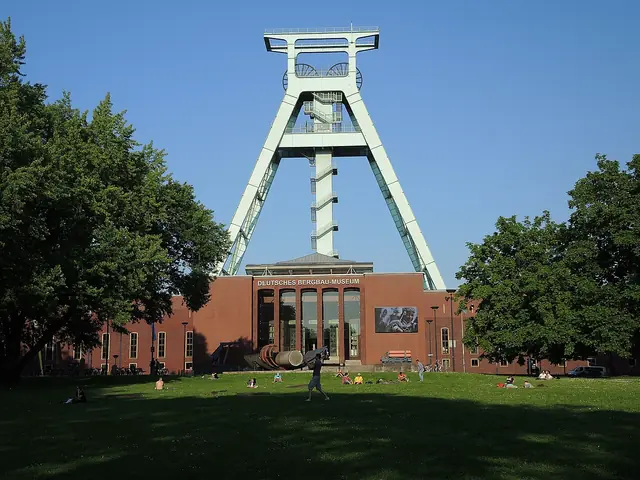
University collection on the history of medicine in the Malakow tower of the former Julius Philipp colliery in Bochum, with instruments spanning many centuries.
Opening hoursAdmission from €3 Partially accessible
Joint exhibition on the botanical studies of the Bochum physician and author of the "Jobsiade"; on view in the foyer of the Ruhr-Universität's Botanical Garden during its opening hours.
About the museum
The core of the collection was assembled by the Bochum pediatrician Erich Püschel. When he took up a teaching post in the history of medicine at the Ruhr-Universität in 1974, he handed his objects over to the university and, through appeals for donations, expanded them into a teaching collection for medical students. With the Department of the History of Medicine, founded in 1985 under Irmgard Müller, the scholarly cataloging of the holdings began.
In 1990, most of the collection moved into the Malakow tower of the decommissioned Julius Philipp colliery on Markstraße, a massive 19th-century winding tower that had been converted for the university. The first permanent exhibition was created there by 1994. Since 2001, the medical historian Stefan Schulz has headed the collection as curator; in 2012, it was one of the founding members of the Bochum network of academic collections.
Today the holdings comprise more than 10,000 objects, mostly instruments and devices from the 19th and 20th centuries from fields such as anatomy, surgery, ophthalmology, gynecology, and dentistry, many of them donated by physicians and hospitals in the Ruhr region. In addition, there are personal estates and special collections such as a pharmaceutical collection of crude drugs, a medal collection, and heart sculptures by the Bochum artist Friedrich Gräsel. The exhibition in the tower presents changing thematic areas, some of which are developed in seminars with students.
Highlights
The Malakow tower of the Julius Philipp colliery as exhibition venue
Mining medicine with historical mine rescue equipment
Wax moulages of infectious diseases from scabies to plague
Anatomical instruments and early blood transfusion devices
Heart sculptures by Friedrich Gräsel
Student-curated section on Nazi propaganda imagery
Permanent exhibitions
Gesundheit – Technik – Krankheit: Mosaik der Medizingeschichten – Exhibition on several levels of the tower: from mining medicine and anatomy to microscopy, moulages, and obstetrics, through to laboratory medicine and diagnostic imaging, complemented by changing displays of objects from the storeroom.
Manipulative Bilder: instrumentalisierte Wissenschaft in der NS-Propaganda – Student-curated section showing how the Nazi regime co-opted scientific representations and data for propaganda; originally planned as a special exhibition and now a permanent part of the exhibition.
Operated by
Ruhr-Universität Bochum (Institut für Medizinische Ethik und Geschichte der Medizin)
Director
PD Dr. Stefan Schulz (Kustos)
Admission & discounts
Adults
€3
Reduced
€2Retirees, university students, school students, people with disabilities, job seekers, social assistance recipients, and apprentices
Children & teens
–Regular admission applies to adults aged 16 and over; school students pay the reduced price.
Seniors
€2Reduced admission for retirees.
Visitors with disabilities
€2Reduced admission for people with disabilities.
Students & apprentices
€2
Groups (10+ people)
–Groups of 10 to 20 people pay a flat rate of €20 per group.
Group admission (10–20 people)
€20Flat rate per group
Group program by registration
€90Flat rate per group, duration 1.5 to 2 hours
Prices apply to the permanent exhibition and current special exhibitions. Cash only; no debit or credit cards. Journalists with a press card are admitted free.
Accessibility
Partially wheelchair accessible
Elevator
Accessible restroom
Accessible parking: no information
Service dogs welcome: no information
Tactile models & exhibits: no information
Sign language tours: no information
Easy-to-read materials: no information
Audio description: no information
The exhibition is not yet fully accessible: the elevator reaches only some of the exhibition levels. An accessible restroom is available.
Kids & families
The museum hasn’t published any information on this – please ask the museum directly.
Getting there & parking
By public transit
Glücksburger Straße · 5-min walk
U35 toward Hustadt to Markstraße, then about a 15-minute walk along Markstraße; or U35 to Ruhr-Universität and bus 346 toward Freiheitstraße to Glücksburger Straße, then about a 5-minute walk.
By car via the A43 (exit Bochum-Querenburg/Ruhr-Universität) or the A40 (exit Bochum-Harpen), then Universitätsstraße to the Steinkuhl/Markstraße exit and along Markstraße toward Linden; after about 1 km, turn right onto the signposted access road to the Malakowturm.
The museum hasn’t published any information on this – please ask the museum directly.
Events & venue rental
The museum hasn’t published any information on this – please ask the museum directly.
Plan your visit
Guided tours
yes · approx. 1.5 hrs
Audio guide
yes
Photography
Photography and filming for private purposes are permitted.
Good to know
Group program in a jigsaw format: subgroups work on selected thematic areas and present them to one another (1.5 to 2 hours depending on group size); inquire by email at least two weeks in advance. Free multimedia audio guide "Stilvolle Körper. Eine Bildgeschichte der Medizin" (Stylish Bodies: A Pictorial History of Medicine) in the Actionbound app.