Sternwarte Bochum
Education center for space travel and environmental research with an exhibition in the 40 m high radome, a radio telescope, and stargazing, in Bochum-Sundern.
Have only individual sections read aloud
About the museum
The Sternwarte Bochum goes back to Heinz Kaminski, who founded it in 1946 as a public observatory during the reconstruction of the Bochum Volkshochschule (adult education center). It became known on October 5, 1957, when it was the first station in the Western world to receive and confirm the signals of the Soviet satellite Sputnik 1. Yuri Gagarin's first crewed spaceflight in 1961 was also followed by radio from Bochum; in the same year, the Institut für Satelliten- und Weltraumforschung (Institute for Satellite and Space Research) was established with public funds.
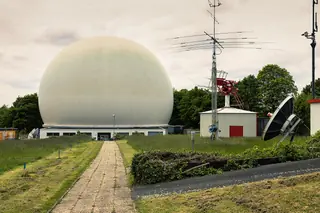
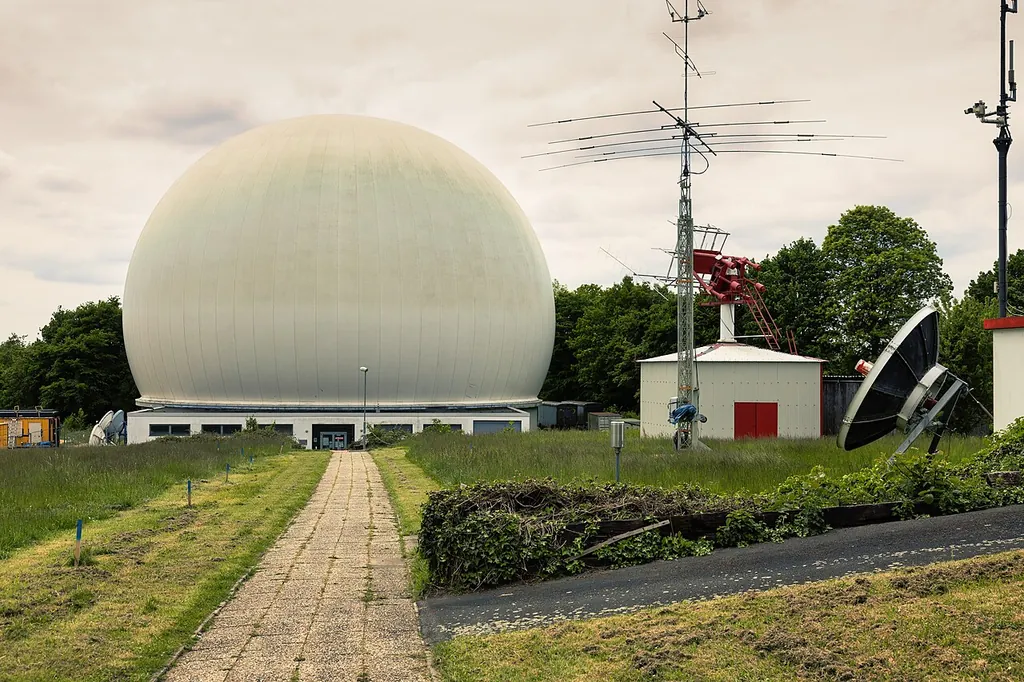
In 1967, the radome went into operation, a 40-meter-high air-supported dome that serves as weather protection for a 20-meter parabolic antenna. From 1968 to 1971, the facility followed the Apollo missions, including the moon landing of 1969, and it still receives data from NASA's STEREO solar probes today. In 1982, the Volkshochschule withdrew as sponsor; since then, the Institut für Umwelt- und Zukunftsforschung (IUZ, Institute for Environmental and Future Research) has run the facility, supported by a nonprofit association.
Today, the observatory is an education center for space and environmental research. In the radome, the exhibition "Die Erde im Visier" (The Earth in Sight) shows, with large-format satellite images, exhibits, short films, and interactive stations, how Earth observation from space has developed since 1957. During the winter half-year, there are stargazing evenings at optical telescopes, as well as workshops, seminars, and events. Since 2018, the observatory has been a founding member of ESA's ESERO Germany space education office.
Highlights
- Exhibition "Die Erde im Visier" in the 40 m high radome
- 20-meter radio telescope that still receives spacecraft data today
- Stargazing at telescopes in the winter half-year (Wednesdays)
- Interactive stations and short films on Earth observation
- Workshops, seminars, and hands-on events
Permanent exhibition
- Die Erde im Visier – Large-format satellite images, exhibits, short films, and interactive stations show how the exploration of the Earth with space technology has developed since 1957.
- Founded
- 1946
- Operated by
- Trägerverein des Instituts für Umwelt- und Zukunftsforschung e. V.
- Director
- Thilo Elsner
Admission & discounts
| Groups (10+ people) | –Groups and school classes of 10 or more people can book educational events on topic, date, and scope by arrangement (phone 0234 57989-0). |
|---|
Accessibility
The museum hasn’t published any information on this.
Kids & families
Great for kids & families
- Family tours & workshops
- Hands-on stations
The exhibition is explicitly aimed at families as well; the events calendar includes children's and family formats such as a hands-on lab, puppet theater, and family afternoons.
Getting there & parking
By public transit
Sternwarte
From Bochum Hbf, take bus line 353 (Bo-Sundern) to the Sternwarte stop.
By car
Parking available
Parking spaces on Obernbaakstraße near the observatory.
Navigation address: Obernbaakstraße 2 (institute building) or Obernbaakstraße 6 (radome), 44797 Bochum. The postal address Blankensteiner Straße 200 a is not the visitor address.
Get directionsAmenities & dining
The museum hasn’t published any information on this.
Events & venue rental
The museum hasn’t published any information on this.
Plan your visit
| School programs | yes |
|---|---|
| Good to know | Individual visitors, families, and small groups visit the exhibition during opening hours; an accompanying educational program is recommended. Registration is required for workshops, seminars, and group events. |
Museums nearby
Westfälisches Feuerwehrmuseum
Henrichshütte
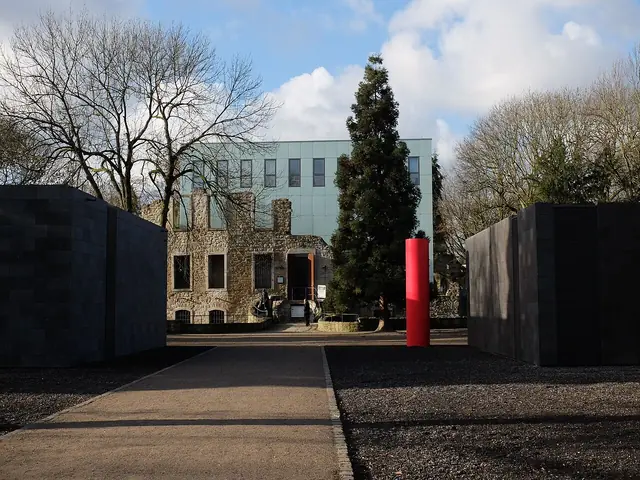
Situation Kunst
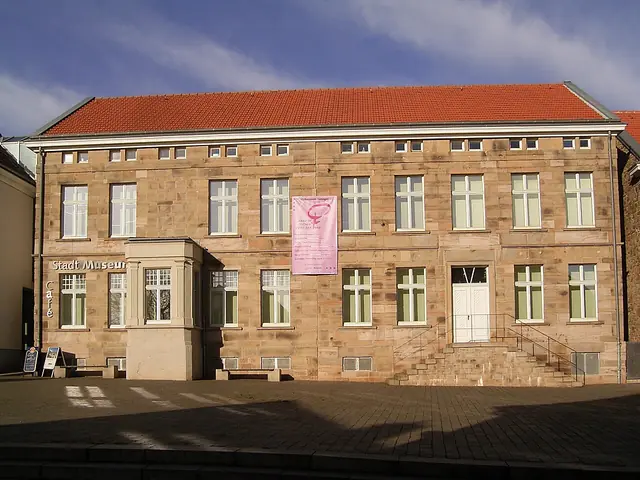
Stadtmuseum Hattingen
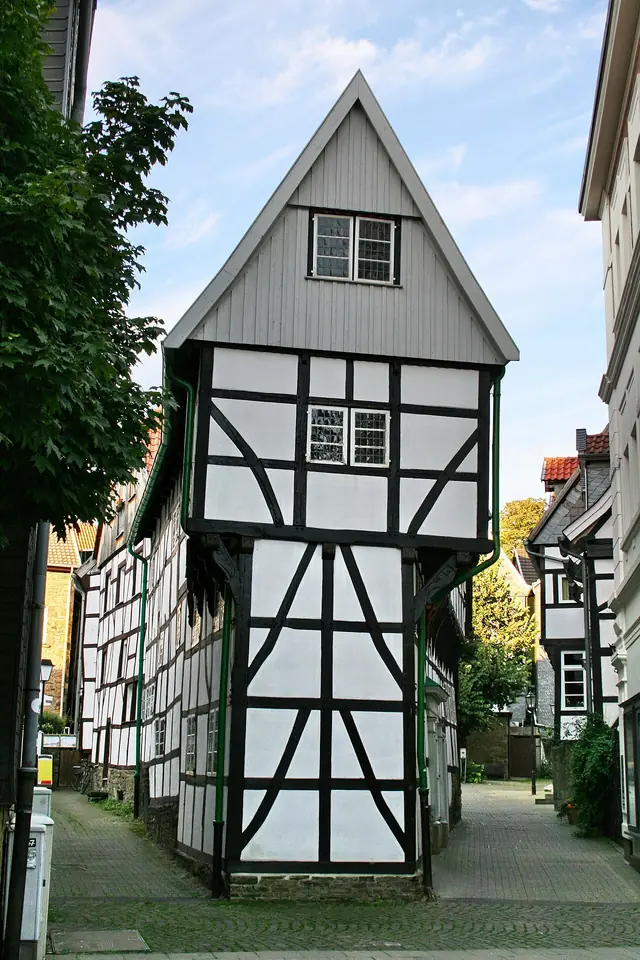
Bügeleisenhaus
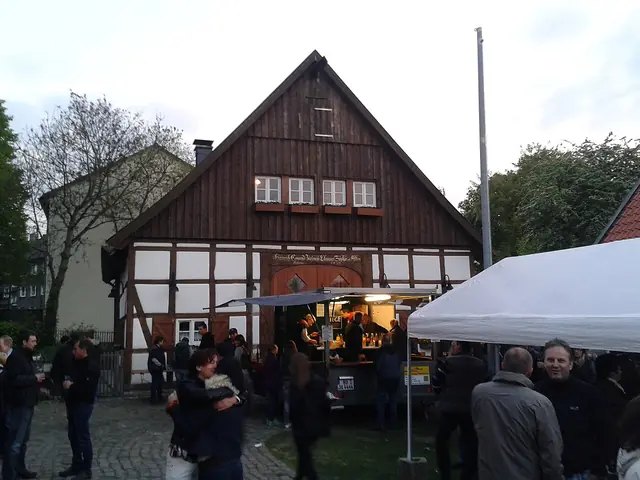
Thorpe Heimatmuseum
All 13 museums in Bochum All museums in North Rhine-Westphalia