Buxtehude Museum für Regionalgeschichte und Kunst
City museum of the Hanseatic city of Buxtehude with finds from the Immenbeck burial ground, sacred art, and plenty of hands-on activities for children.
About the museum
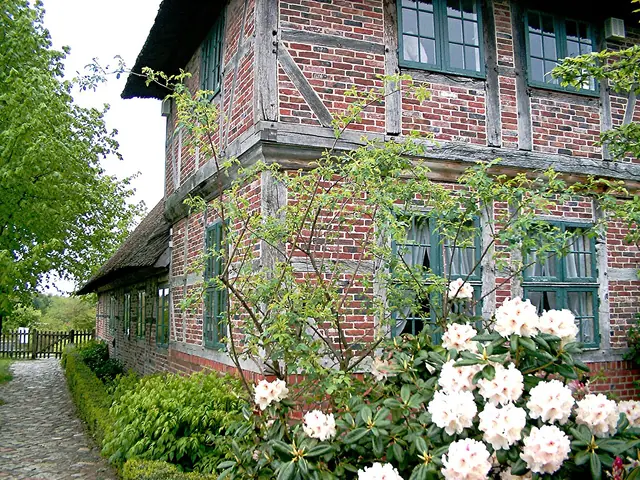
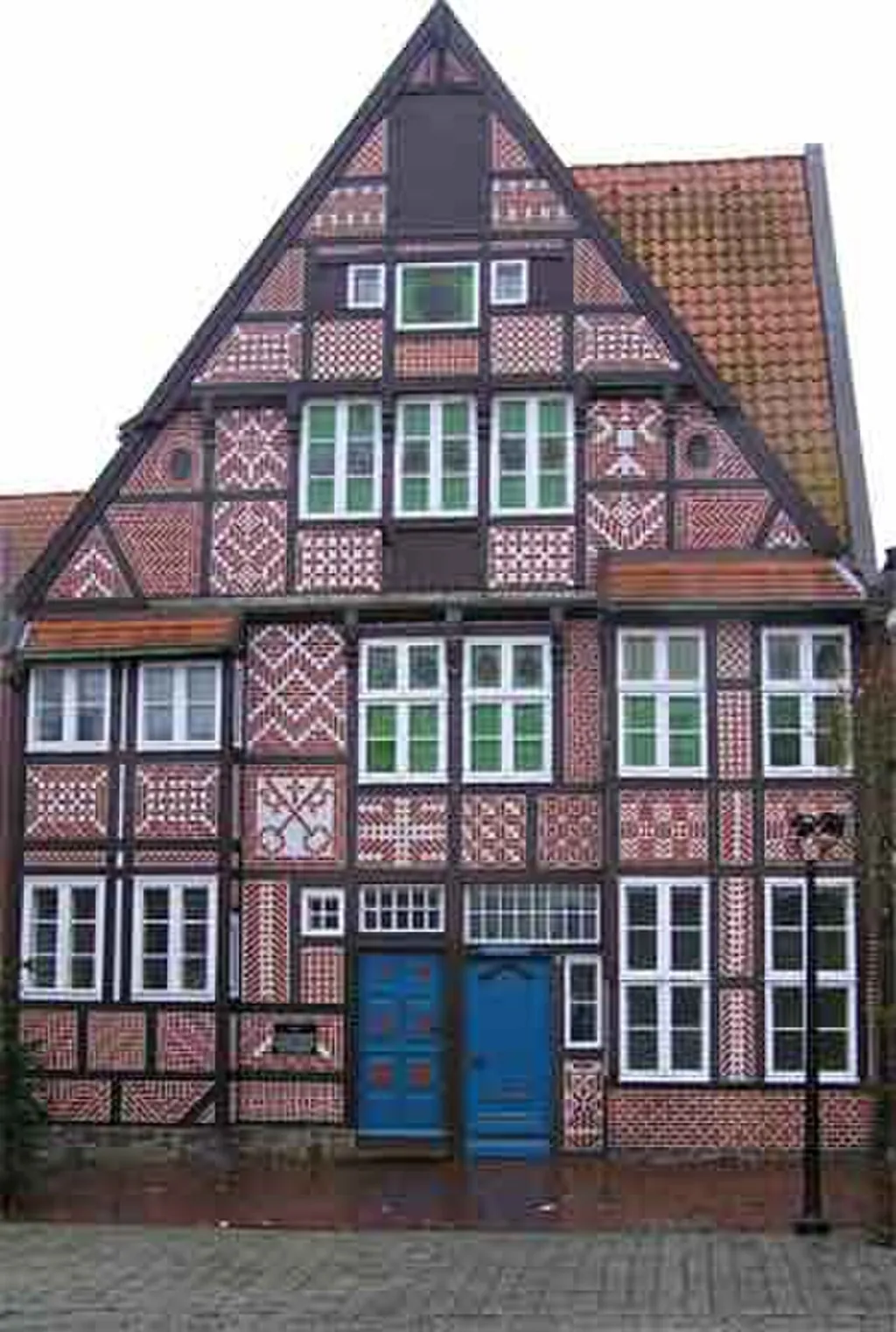
The collection goes back to donations from Buxtehude citizens since 1880, which from 1881 were on view in the attic of the town hall. The senator and soap manufacturer Julius Cäsar Kähler donated a museum building of its own in 1911, and in 1913 the local history museum opened in a newly built half-timbered house. Its façade was deliberately designed as a sample collection of typical half-timbering forms of the Altes Land and incorporates components of older Buxtehude houses.
In 1992 an extension on Stavenort was added. From 2015 to 2021 the building was renovated, expanded again, and given a new content concept; since summer 2021 the main entrance has been on St.-Petri-Platz. In the same year the museum received the quality seal of the Museumsverband für Niedersachsen und Bremen.
The permanent exhibition leads from the first mention of the town in 959, through the founding of the city in 1285 and the Hanseatic period, to industrialization; an interactive city model and the fairy tale of the race between the hare and the hedgehog are part of it. One focus is the finds from the Immenbeck burial ground from the 4th to 6th centuries, including rare glass vessels. The sacred art department shows medieval sculptures in a room that Michael Craig-Martin designed in color in 1997. The museum is run by the Museumsverein Buxtehude.
Highlights
- Two almost intact proboscis beakers from the Immenbeck burial ground
- About 1,400 glass and amber beads from the Migration Period
- Room artwork by Michael Craig-Martin in the sacred art department
- Interactive digital model of the old town
- Hands-on station on the race between the hare and the hedgehog
- Half-timbered building of the old local history museum of 1913
Permanent exhibitions
- Stadtgeschichte und Kunstkabinett – Buxtehude's development from its first mention in 959, through the founding of the city and the Hanseatic period, to industrialization, with a digital city model, audio stations, and paintings with Buxtehude motifs.
- Das Gräberfeld von Immenbeck – Grave goods of the 4th to 6th centuries from a large Saxon burial ground, including precious glassware and jewelry, supplemented by a hands-on section on archaeological research.
- Sakrale Kunst – Medieval sculptures and an altar from the region with their restoration history, presented in a room designed by Michael Craig-Martin.
- Founded
- 1913
- Operated by
- Museumsverein Buxtehude e. V.
- Director
- Dr. Susanne B. Keller
Admission & discounts
| Adults | €6 |
|---|---|
| Reduced | €4School pupils aged 18 and over, trainees, students, volunteer service participants (FSJ, BFD), recipients of benefits under SGB II/XII and AsylbLG, people with severe disabilities, members of the Heimat- und Geschichtsverein Buxtehude (with proof) |
| Children & teens | freefree up to age 17 · Children and young people under 18 have free admission |
| Visitors with disabilities | €4companion free · Reduced admission for people with severe disabilities; one companion of wheelchair users and blind people free |
| Students & apprentices | €4 |
| Groups (10+ people) | €4 per personPer person |
Free admission also for city guides of the Hanseatic city of Buxtehude, bus drivers and tour guides of bus groups, and two accompanying adults per school class.
Accessibility
- Wheelchair accessible
- Elevator
- Accessible restroom
- Accessible parking: no information
- Service dogs welcome
- Tactile models & exhibits: no information
- Sign language tours: no information
- Easy-to-read materials: no information
- Audio description: no information
Certified with "Reisen für Alle – Barrierefreiheit geprüft" (Travel for All – accessibility checked); accessible entrance and accessible exhibitions, offerings for people with hearing impairments, seating and mobile stools in all exhibition rooms.
Kids & families
Great for kids & families
| Kids’ admission | free up to age 17 |
|---|
- Family tours & workshops
- Hands-on stations
- Baby changing facilities
- Kids’ birthday parties
Free admission up to age 18; many interactive hands-on stations, for example on archaeology and the hare and the hedgehog. Every first Sunday of the month "Kleine Sonntagswerkstatt" for children from age 6 (15:15–17:15, €2 for materials, no registration), plus workshops, a vacation program, and children's birthday parties from age 6. Awarded the title "Kinderferienland".
Getting there & parking
By public transit
Buxtehude Bahnhof · 20-min walk
By train or S-Bahn to Buxtehude; from the station about a 20-minute walk via Bahnhofstraße and Lange Straße to St.-Petri-Platz.
By car
Paid parking · 3-min walk to the entrance
Paid public old town parking lot on Hansestraße.
Bike racks on St.-Petri-Platz near the entrance; bike lockers for bags at the start of the pedestrian zone.
Get directionsAmenities & dining
- Café
- Museum shop
- Lockers
Café Galerie Baham with an inner courtyard (cakes, lunch menu); museum shop at the main entrance; coat check lockers for bags and coats.
Events & venue rental
The museum hasn’t published any information on this – please ask the museum directly.
Plan your visit
| Guided tours | yes · approx. 60 min |
|---|---|
| School programs | yes |
| Photography | Photography and filming for private purposes permitted without flash, tripod, and selfie stick; exceptions are indicated at the entrance to the exhibition areas. |
| Good to know | Public guided tours on selected Sundays at 14:00 (45 or 60 minutes, registration recommended). Group tours by arrangement (45 minutes €40, 60 minutes €50, plus €4 admission per person). Larger bags and coats must be locked away; children under 14 only when accompanied by adults. The exhibition area "Altes Heimatmuseum" is currently closed. |