From October 11, 2026
Mist – gar nicht so übel
The exhibition tells the story of fertilising and crop protection, from early methods to the present day, and shows how technology and materials have developed in both conventional and organic farming.
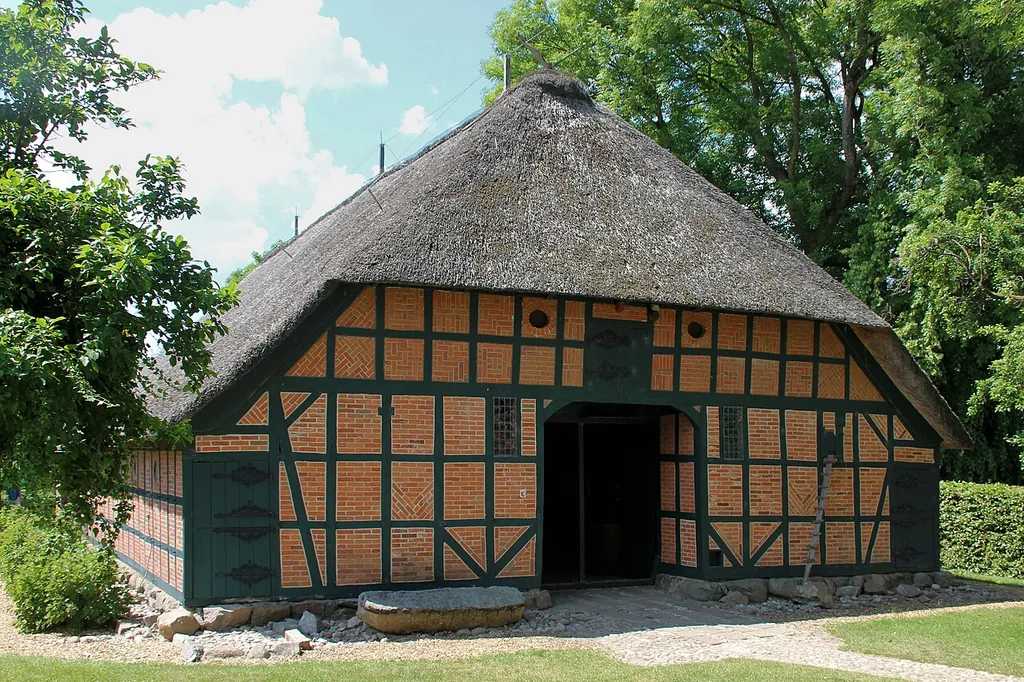
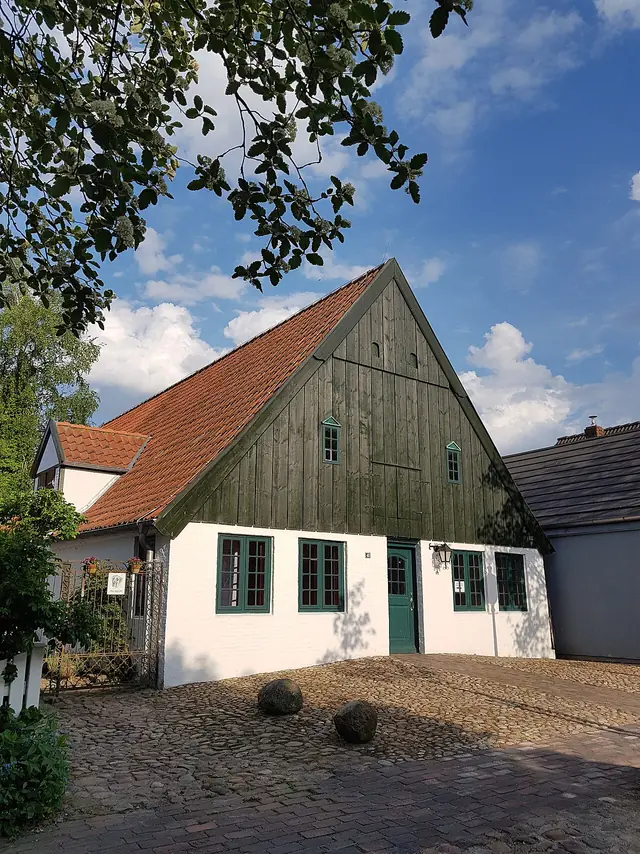
Museum of rural life in Meldorf with historic farm machinery, a Dithmarscher farmhouse, a rose garden and the AgriDome model vehicle layout.
From October 11, 2026
The exhibition tells the story of fertilising and crop protection, from early methods to the present day, and shows how technology and materials have developed in both conventional and organic farming.
Special exhibition
The show presents self-built agricultural machines and curious implements from farming, made possible by loans from private collectors.
The Schleswig-Holstein Agricultural Museum opened in Meldorf in 1986 and is devoted to rural life between 1870 and the present day. The core of the collection is the holdings of Heinz Landmann, former director of the agricultural school in St. Michaelisdonn, who had been gathering evidence of farm work since the 1970s. The collection is still being added to. A special feature of the museum: people with disabilities work in many areas of the museum, and the partner organization since the opening has been the Stiftung Mensch.
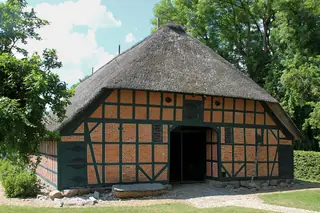
The museum was built directly next to the Dithmarscher farmhouse. This building, over 300 years old, was moved from Osterrade to its present site in 1907 and is considered the second-oldest surviving open-air museum in Germany. It shows the life of a farming family around 1850, when people, livestock and harvest were still housed under one roof.
The permanent exhibition traces the change from manual labor to modern farming, with a focus on tractors and threshing machines from the 1930s to the 1970s. The grounds also include the Gerda-Nissen-Rosengarten rose garden with 50 historic heritage roses and the AgriDome, a model vehicle facility. The museum is run by the Verein Volkshochschulen in Dithmarschen (adult education association).
| Adults | €4 |
|---|---|
| Children & teens | €2free up to age 5 · Children and young people aged 6 to 18 |
| Visitors with disabilities | freePeople with severe disabilities enter free of charge. |
| Families | €10 |
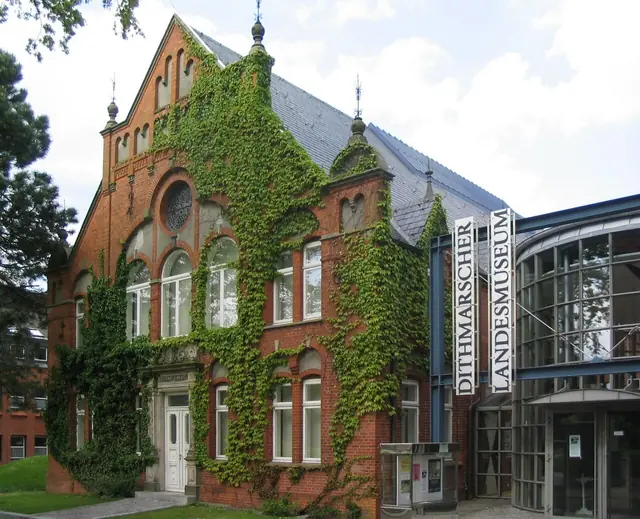
| Combination ticket with the Dithmarscher Landesmuseum – adults | €9Families €22, children aged 6 to 18 €4 |
| Annual pass – adults | €25Families €50, children aged 6 to 18 €10 |
| AgriDome model rental (30 minutes) | €3One hour €5; no extra fee if you bring your own vehicle. |
| Booked guided tour (flat fee per guide) | €50plus admission |
Prices as of February 2026.
The museum and grounds are low-barrier. The permanent exhibition is wheelchair-accessible, an accessible toilet is in the entrance area, and an elevator leads to the gallery. Two parking spaces are reserved for people with disabilities. Dogs on leashes are welcome.
Great for kids & families
| Kids’ admission | free up to age 5 |
|---|---|
| Family ticket | €10 |
In the AgriDome, children can drive model vehicles on the layout, using their own or borrowed ones. The school programs include hands-on activities such as threshing, grinding grain and churning butter. A baby changing table is available.
Meldorf Markt
By bus to "Meldorf Markt" or by train to Meldorf.
Parking available
Parking directly in front of the house; two spaces are reserved for people with disabilities.
Museum café "Neue Holländerei" (Tue–Sun 09:00–17:00, closed Mondays). Bicycle racks next to the path to the rose garden and at the Neue Holländerei.
Weddings can be held in the Dithmarscher farmhouse from spring to late summer; available dates and costs are arranged with the Standesamt Mitteldithmarschen (civil registry office). Smoking and confetti are prohibited in the listed building.
Inquiries & details| Guided tours | yes |
|---|---|
| School programs | yes |
| Photography | Photography is permitted for private purposes; please ask first for other uses. |
| Good to know | Group tours on request. The museum education program is aimed at school classes from grade 3 to grade 13 as well as vocational schools, and can be booked year-round, for example on motorization, steam engines, "From Grain to Bread," butter making and life in the farmhouse around 1850. |