Stadtmuseum Heimathaus Traunstein
City museum in the Brothausturm and Ziegleranwesen on Traunstein's Stadtplatz: saltworks, crafts, sacred art, and a city model – free admission.
About the museum
Since the 1830s, citizens of Traunstein had been gathering evidence of the city's history. In 1873 the pharmacist Joseph Pauer suggested founding a municipal museum and at first displayed the pieces in his pharmacy; by 1888 at the latest, the collection could be seen regularly, for an admission fee, in the rear building of the town hall. Many older objects had been lost in the great city fire of 1851.
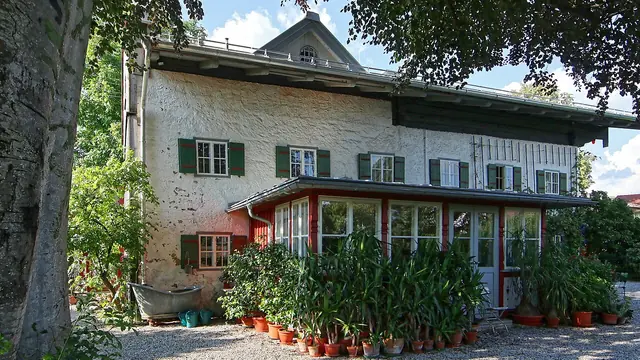
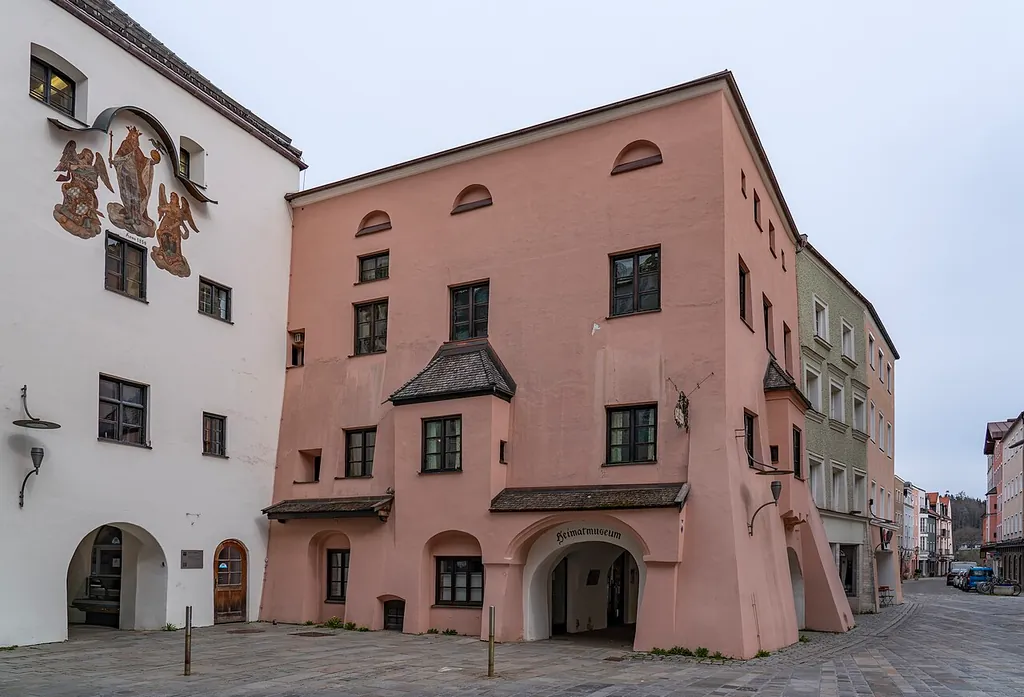
In 1919 the Ziegler innkeeper Elise Angerer gave the city her residence and inn by the city wall for the museum, at the suggestion of her son, the architect and local historian Joseph Angerer. On April 2, 1923, the Städtisches Museum opened in the Heimathaus, which comprises the medieval Brothausturm and the Ziegleranwesen on the Stadtplatz.
Since 1951 the museum has been run by the Stiftung Heimathaus Traunstein, founded on the initiative of the Historischer Verein für den Chiemgau; since 1991 it has had a full-time director. The exhibition ranges from prehistory and early history to the recent past, with a focus on the saltworks, crafts and trade, religious art and folk piety, and portraits of the people of Traunstein.
For the 2026 season, the introduction around the city model, the history of the saltworks, and the sacred section were redesigned; first English texts and additional content accessible via QR code complement the tour.
Highlights
- Large city model from the 1890s with city views and timeline
- Historic Ziegler inn parlor, the city's "good parlor"
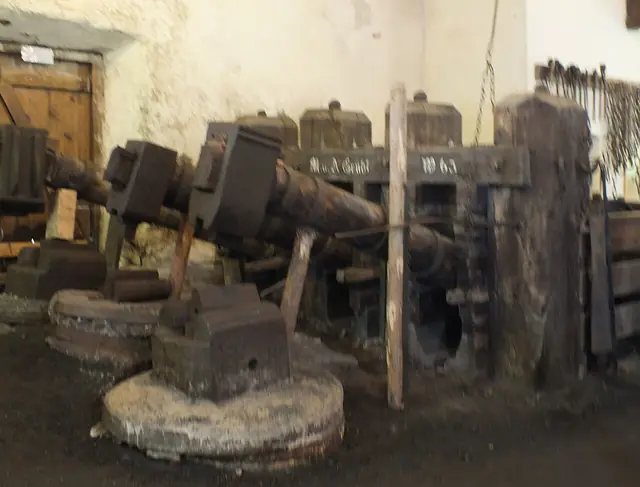
- Section on the history of the Traunstein saltworks
- Nearly life-size Palm Sunday donkey from 1574
- Religious art from the Gothic period to the early 20th century
Permanent exhibitions
- Stadtgeschichte und Stadtmodell – The newly designed opening section on the first floor leads through Traunstein's development with a city model, historic views, and a timeline.
- Handwerk, Gewerbe und Handel – Tools and products of Traunstein's craftsmen and merchants show the city's economic life; complemented by the section on the saltworks.
- Religiöse Kunst und Volkskunst – Sculptures and paintings from the Gothic period to the early 20th century as well as evidence of folk piety, including a Palm Sunday donkey from 1574.
- Operated by
- Stiftung Heimathaus Traunstein
- Director
- Stefan Schuch
Admission & discounts
Admission is free.
| Adults | free |
|---|
Free admission; the museum welcomes donations.
Accessibility
- Partially wheelchair accessible
- Elevator: not available
- Accessible restroom: no information
- Accessible parking: no information
- Service dogs welcome
- Tactile models & exhibits: no information
- Sign language tours: no information
- Easy-to-read materials: no information
- Audio description: no information
The permanent exhibition on three floors can only be reached by steep stairs; the special exhibition room on the first floor is accessible without barriers. Animals are not allowed, except guide dogs for the blind.
Kids & families
The museum hasn’t published any information on this – please ask the museum directly.
Getting there & parking
By public transit
Traunstein Bahnhof · 10-min walk
From Traunstein station, about a 10-minute walk along Bahnhofstraße toward the town center to the Stadtplatz.
By car
Parking available
No museum parking lot; car and bus parking at the Karl-Theodor-Parkplatz and in the parking garage there, from where stairs or elevators lead to the Stadtplatz.
The museum is located in the old town west of the Stadtplatz, opposite the Church of St. Oswald; the west facade borders the Maxplatz.
Get directionsAmenities & dining
Food and drinks may not be taken into the exhibition rooms.
Events & venue rental
- Weddings / ceremonies
The historic Ziegler inn parlor is used for events, lectures, and civil wedding ceremonies.
Inquiries & detailsPlan your visit
| Guided tours | yes |
|---|---|
| Photography | Photography for private purposes is allowed; commercial photography and filming only with permission from the museum director. |
| Good to know | Guided tours for groups of 10 or more from March to October by registration, on weekdays also outside opening hours. First English text panels; additional content via QR code. Please do not touch the exhibits. |