Gedenkstätte Hadamar
Memorial at the historic site of the Nazi killing center Hadamar, where almost 15,000 sick and disabled people were murdered between 1941 and 1945.
About the museum
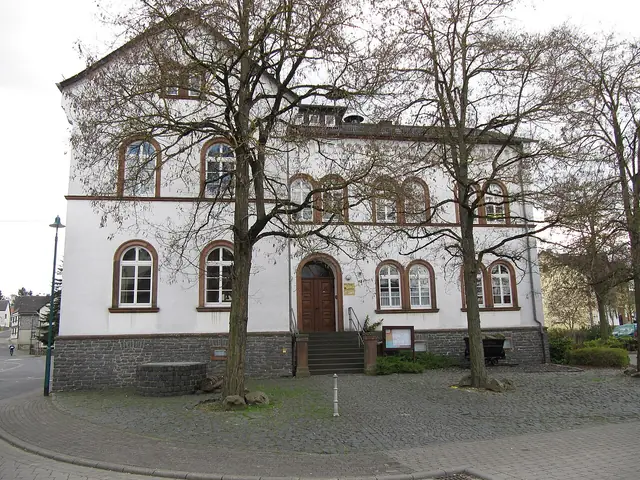
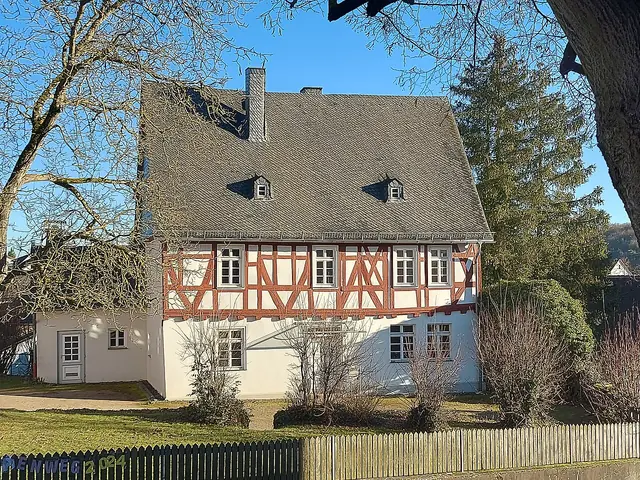
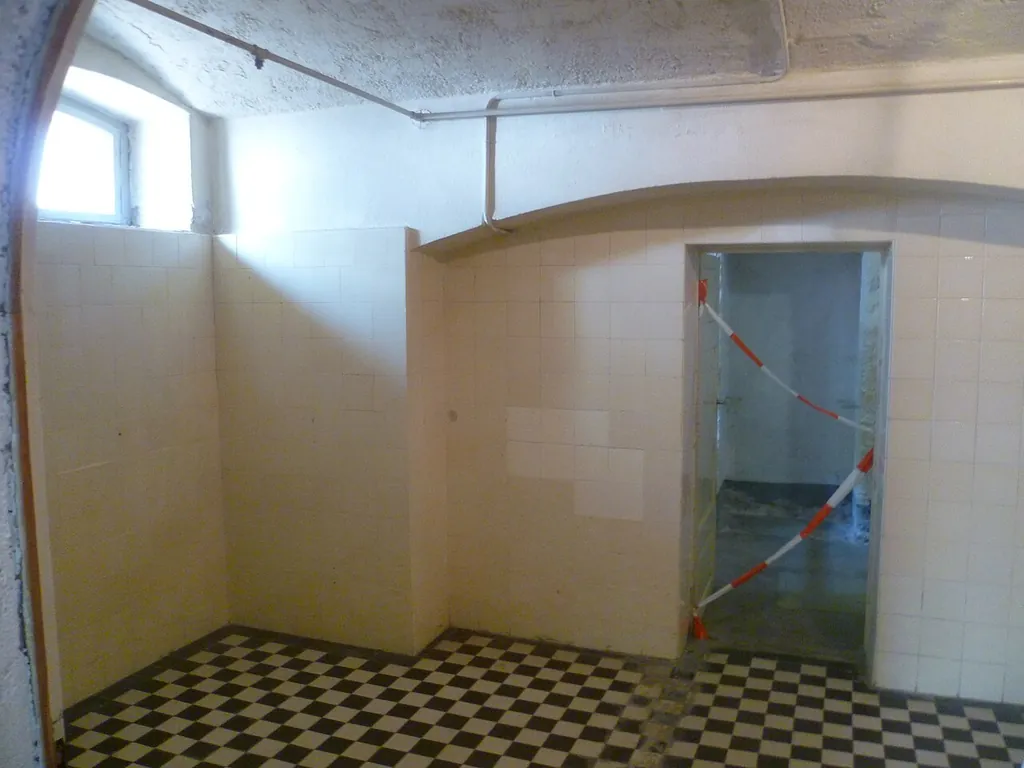
The building on the Mönchberg was constructed in 1883 as a correctional institution and became a state psychiatric hospital in 1906. During the Nazi era, Hadamar became a center of the patient murders: at the end of 1940 the basement was converted into a gas chamber with a crematorium. Between January and August 1941, more than 10,000 people who had been brought by bus from other institutions were murdered here with gas as part of “Aktion T4”.
During the phase of so-called decentralized “euthanasia” from 1942 to 1945, doctors and nursing staff killed around 4,400 more people through drug overdoses and starvation. The victims also included forced laborers as well as children and teenagers persecuted as “half-Jewish” from an “educational home” that existed only on paper. The dead were buried in mass graves in the institution's cemetery. After the liberation on March 26, 1945, US investigators made the crimes public; a trial before a US military court in Wiesbaden followed in 1945, and proceedings in Frankfurt am Main in 1947.
Remembrance began only hesitantly: in 1953 a relief was installed in the entrance area, and in 1964 the cemetery was redesigned as a memorial landscape. In 1983 students and graduates of the University of Giessen opened a first exhibition in the basement. In 1991 the Landeswohlfahrtsverband Hessen established the memorial with a more extensive permanent exhibition. Today it combines remembrance, historical and civic education, and research, and answers hundreds of inquiries from relatives and researchers every year. Since 2025 the historic building has been renovated and expanded while remaining open; an entirely new permanent exhibition is being created in stages.
Highlights
- Historic basement with the former gas chamber, dissection room and remains of the crematorium ovens
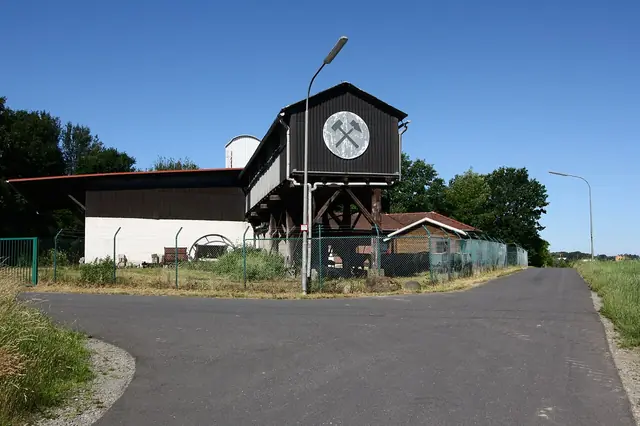
- Former wooden bus garage of “Aktion T4” in the inner courtyard
- Memorial landscape on the former institution cemetery with the stele “Mensch achte den Menschen” (Human, respect human)
- Memorial book with the names and life dates of almost 15,000 murdered people
- Permanent exhibition “Verlegt nach Hadamar”
Permanent exhibitions
- Verlegt nach Hadamar. Die Geschichte einer NS-„Euthanasie“-Anstalt – Panel exhibition on the killing operations of 1941 and 1942–1945 with representative life stories of victims, set in the context of the history of psychiatry, the postwar trials and remembrance after 1945; with an integrated memorial book.
- Das historische Gebäude im Spiegel der Zeit – Exhibition extension on the building's history from correctional institution to memorial, spread across the foyer, historic rooms and the former bus garage.
- Garten – Anstaltsfriedhof – Gedenkort. Das Außengelände des Mönchbergs – Bilingual panel exhibition (German/English) on the path up to the memorial landscape about the former institution cemetery with the mass graves of 1942–1945; also accessible outside opening hours.
- Founded
- 1991
- Operated by
- Landeswohlfahrtsverband Hessen (LWV Hessen)
- Director
- Prof. Dr. Jan Erik Schulte
- Visitors per year
- approx. 23,000 (2024)
Admission & discounts
Admission is free.
| Children & teens | –Free admission. Children under 14 should visit the memorial only when accompanied by adults; participation in public guided tours is recommended from age 14. |
|---|---|
| Groups | –Bookable group programs (flat rate): tour with workshop and biographical work (approx. 3 hrs., max. 30 people, school classes from grade 9) €75; inclusive program for learners with learning and reading difficulties (approx. 5 hrs., max. 17 people) €100; live digital tour via video conference €80. Group visits may be subsidized by the federal states. |
Visiting the exhibitions, the historic rooms and the memorial landscape is free. Public guided tours on the first and third Sunday of the month (approx. 1.5–2 hrs.) are also free; registration online.
Accessibility
- Partially wheelchair accessible
- Elevator
- Accessible restroom
- Accessible parking
- Service dogs welcome
- Tactile models & exhibits
- Sign language tours: no information
- Easy-to-read materials
- Audio description: no information
The memorial building is largely accessible; all areas are served by elevators, and according to the house rules almost all museum areas can be reached by wheelchair. Accessible restrooms in the exhibition and near the seminar rooms. Accessible parking spaces on the right side of the building (follow signs for visitor parking). The memorial landscape on the hill can be reached by car. Exhibition catalog in Easy Language (Leichte Sprache) available on loan, catalog with selected biographies in Braille, guided tours for people with learning difficulties, explanatory videos in Plain Language. Assistance dogs allowed.
Kids & families
Only partly suitable for kidsRecommended for ages 14+
- Family tours & workshops: not available
Memorial to the Nazi “euthanasia” crimes. For teenagers, it recommends participating in guided tours from age 14, accompanied; group programs are aimed at school classes from grade 9. The website does not list any dedicated programs for children or families.
Getting there & parking
By public transit
Bahnhof Hadamar · 10-min walk
Hadamar station, then about a ten-minute walk.
By car
Parking available
Car parking on the grounds of the Vitos clinic right next to the memorial, including accessible parking spaces (follow the signs). Tour buses park at Hadamar station, about a ten-minute walk away.
- Accessible parking
Amenities & dining
- Café: not available
- Restaurant: not available
No food or drink at the memorial or on the grounds of the Vitos clinic; eating and drinking only in the seminar rooms. Publications such as the picture book “Oskars Rettung” are available on site.
Events & venue rental
As far as we know, the museum does not rent out spaces for external events.
No room rentals offered.
Plan your visit
| Guided tours | yes · approx. 2 hrs |
|---|---|
| School programs | yes |
| Photography | Private photos and videos only indoors; photography and filming are prohibited on the outdoor grounds. Recordings for official purposes only with prior permission. |