Documentation center with free admission on the site of the former Gestapo, SS and RSHA headquarters – about the perpetrators and crimes of the Nazi terror apparatus.
In three parts, the special exhibition asks what the population could learn about the genocide through propaganda, rumors and everyday observations, and how individuals dealt with this knowledge.
About the museum
Between 1933 and 1945, the command centers of Nazi terror were located on what was then Prinz-Albrecht-Straße and Wilhelmstraße: the Secret State Police Office (Gestapo), the SS leadership and later the Reich Security Main Office (RSHA). After wartime destruction, the ruins were cleared in the 1950s; the site in the shadow of the Wall then served, among other things, as a rubble dump and a practice area for drivers, and was largely forgotten.
In the late 1970s, citizens' initiatives and historians drew attention to the significance of the site. For Berlin's 750th anniversary in 1987, following initial excavations that uncovered cellar remains, a provisional exhibition was created that stayed on permanently because of the great public interest. In 1992 a foundation was established, which today is funded jointly by the federal government and the State of Berlin.
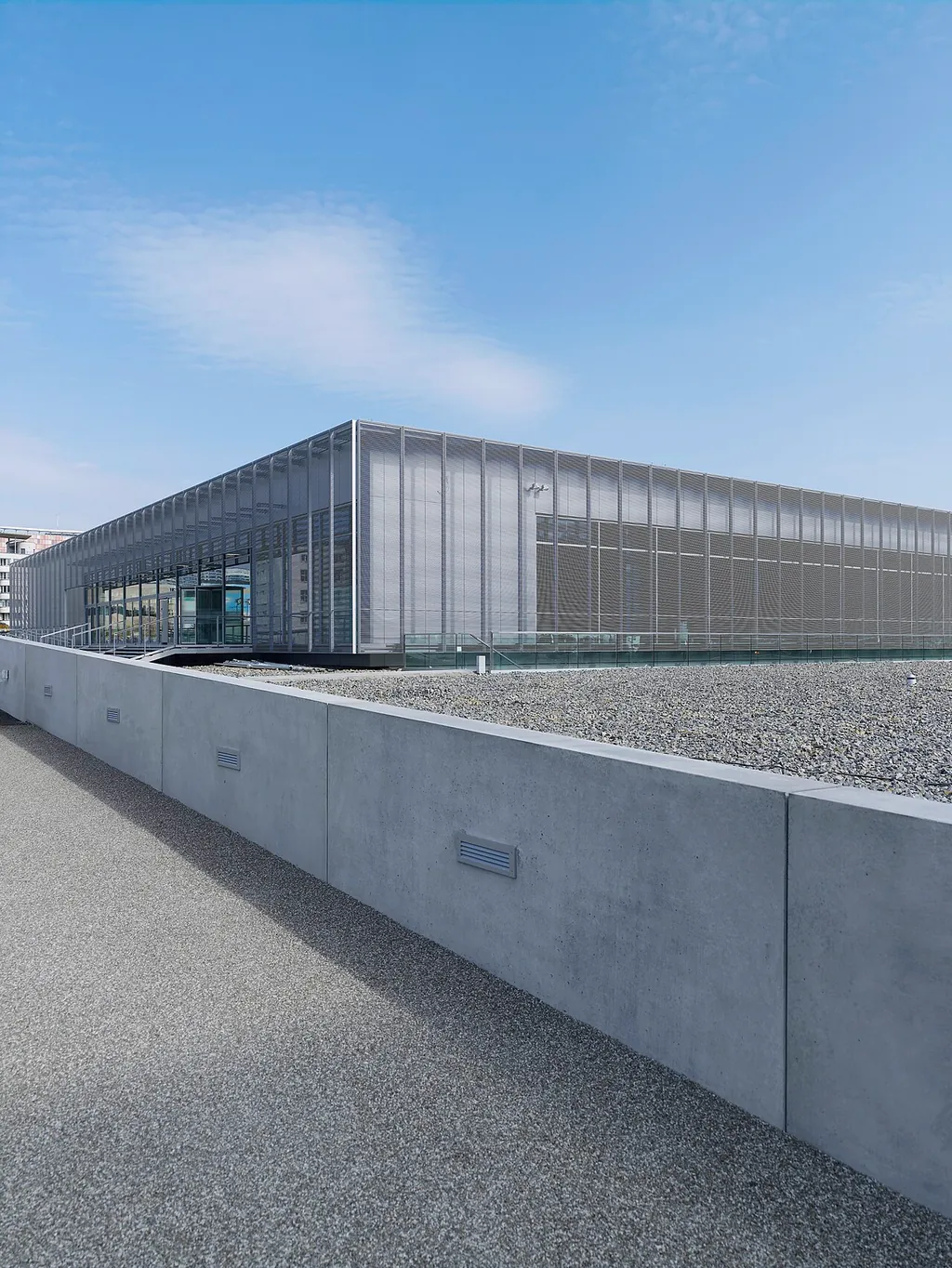
The new building designed by Swiss architect Peter Zumthor failed due to rising costs; the stair towers already built were demolished in 2004. A new competition produced the simple, fully glazed pavilion by Ursula Wilms and Heinz W. Hallmann, which opened in May 2010.
The documentation center sees itself not as a traditional museum but as a place of information and learning about the perpetrators. In addition to the permanent exhibition inside the building, it includes the open-air exhibition in the trench along a preserved section of the Wall, a tour of the grounds, special exhibitions, a specialist library and an extensive educational program.
Highlights
Permanent exhibition on the Gestapo, SS and Reich Security Main Office with numerous historical photos and documents
Open-air exhibition “Berlin 1933–1945” in the trench in front of excavated cellar walls
Around 200 m long remnant of the Berlin Wall on Niederkirchnerstraße
Tour of the historic site with 15 stations
Free audio guide in 22 languages, including Easy Language (Leichte Sprache) and German Sign Language (DGS)
Permanent exhibitions
Topographie des Terrors. Gestapo, SS und Reichssicherheitshauptamt in der Wilhelm- und Prinz-Albrecht-Straße – In five chapters, the main exhibition inside the building shows how the SS and police organized persecution and mass murder in Germany and occupied Europe – above all through historical photos and documents.
Berlin 1933–1945. Zwischen Propaganda und Terror – The year-round open-air exhibition in the trench in front of excavated cellar walls describes how Nazi rule changed Berlin and its population.
Der historische Ort – Geländerundgang – A circular route with 15 stations leads to the structural traces of the former terror headquarters and explains the history of the site up to the present day.
Founded
1987
Operated by
Stiftung Topographie des Terrors
Director
Andrea Riedle
Visitors per year
approx. 1,600,000 (2025)
Admission & discounts
Admission is free.
Children & teens
–Free admission; visit recommended from age 14, younger children only accompanied by their parents
Seniors
–Free admission
Visitors with disabilities
–Free admission
Students & apprentices
–Free admission
Groups (7+ people)
–Free admission; booked group tour (7 people or more) €80 (60 min.) or €112.50 (90 min.) per group, free for schools and adult education
Families
–Free admission
Admission, audio guide and public guided tours are free; no timed ticket needed.
Accessibility
Wheelchair accessible
Elevator
Accessible restroom
Accessible parking
Service dogs welcome
Tactile models & exhibits: not available
Sign language tours
Easy-to-read materials
Audio description
Ramp next to the stairs and automatic door at the entrance, step-free exhibition level, display cases accessible from a wheelchair; restrooms in the basement reachable by elevator. Free loan wheelchair. Paid accessible parking spaces at the neighboring Gropius Bau. No floor guidance system, no Braille texts; outdoor grounds with tactile path edges. Induction loops in seminar rooms and the auditorium, Roger system for tours. Regular free tours in German Sign Language (DGS) and by telephone; on request, tours in Easy Language and with audio description. Certified under “Reisen für Alle” (Travel for All).
Kids & families
Only partly suitable for kidsRecommended for ages 14+
Family tours & workshops: not available
The documentation center recommends visiting from age 14; younger children should come only accompanied by their parents.
Getting there & parking
By public transit
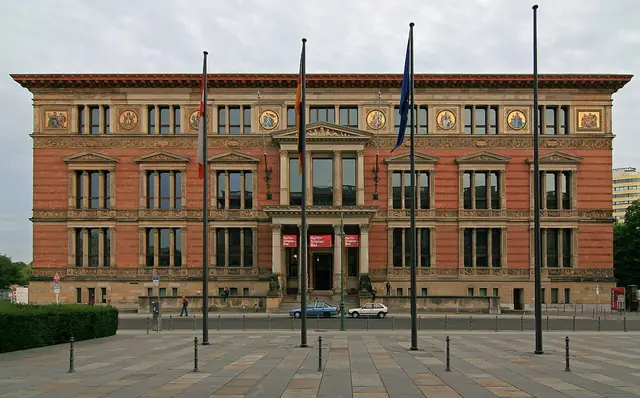
U2 Potsdamer Platz, U6 Kochstraße; S-Bahn Anhalter Bahnhof or Potsdamer Platz; bus to Abgeordnetenhaus or Wilhelmstraße/Kochstraße
By car
No on-site parking at the museum.
No parking on site; the parking lot of the neighboring Gropius Bau has paid spaces for wheelchair users.
Cafeteria in the exhibition building; food brought from outside may not be eaten in the building. Lockers in the foyer, free Wi-Fi. Pets (except assistance dogs) not allowed.
Events & venue rental
The museum hasn’t published any information on this – please ask the museum directly.
Plan your visit
Guided tours
yes · approx. 60 min
Audio guide
yes (AR, CS, DA, DE, EL, EN, ES, FI, FR, HE, HI, IT, JA, KO, NL, NO, PL, PT, RU, SV, TR, ZH)
School programs
yes
Photography
Private photography and filming allowed as long as operations are not disturbed; professional shoots only with permission from the press office.
Good to know
Free public guided tours Sat and Sun at 14:00 (German) and 15:30 (English), 60 min., no registration required. Group tours several weeks in advance via booking forms (Museumsdienst Berlin); fully booked for September/October 2026, available again from November. Tours by external guides or teachers are not permitted inside the building. Audio guide (approx. 60 min.) free as a loan device or via Wi-Fi on your own smartphone.