Volkskundemuseum in Schönberg
One of the oldest museums in Mecklenburg-Vorpommern: folk culture of the former Principality of Ratzeburg with costumes, furniture, and domestic culture.
About the museum
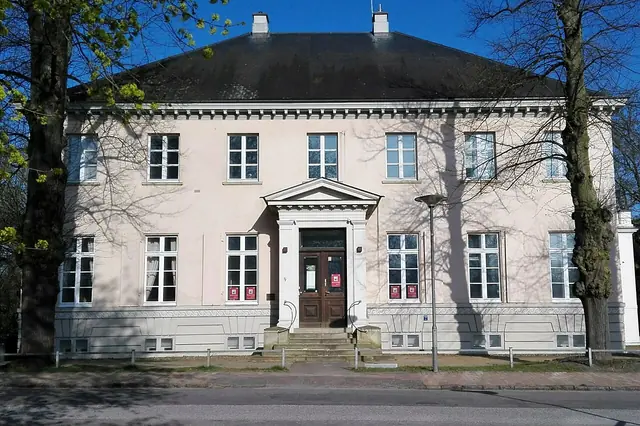
The foundation was laid in 1901 by a few citizens of Schönberg who gathered rural antiquities so that the region's cultural heritage would not be sold to outside dealers. This initiative gave rise to the "Altertumssammlung" (antiquities collection), which opened at Pentecost 1903 as the town's first museum; the teacher Fritz Buddin contributed significantly to its development. From the 1920s the institution operated as a local history museum, and in 1931 it moved into a former school building by the church. After 1990 it was given the name Volkskundemuseum (folk culture museum), and since 2004 it has been run by an association.
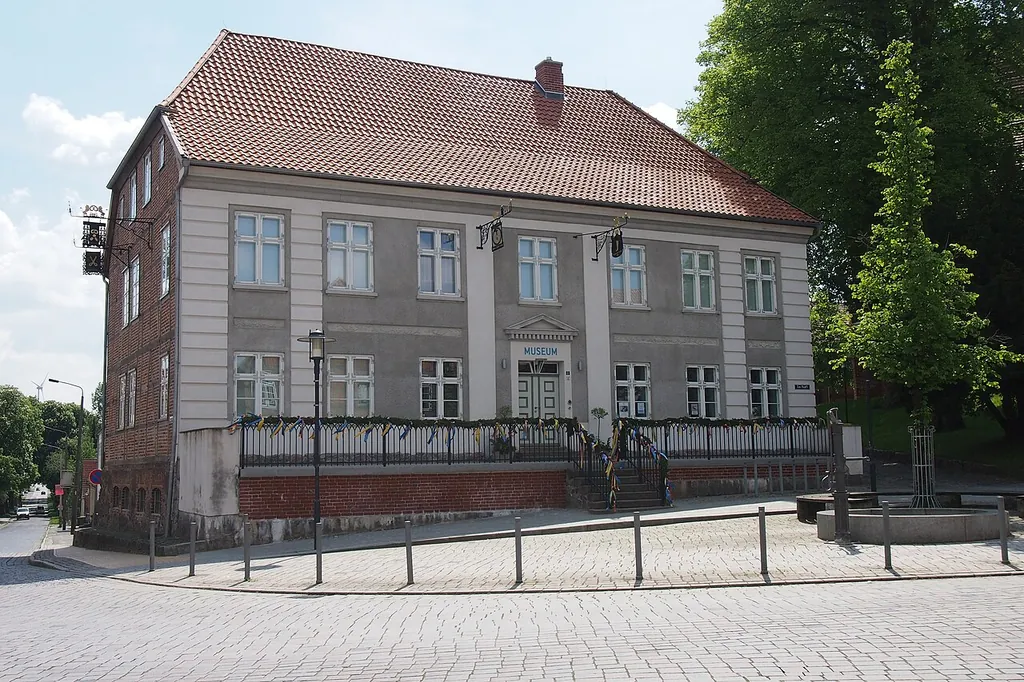
Schönberg was the capital of the small Principality of Ratzeburg until 1934, and the museum sees itself as a center for the folk culture of this region. In May 2017, the permanent exhibition "Zwischen Bischofsstuhl und Heimatbewegung" opened in the renovated Koch'sches Haus on the market square. It shows richly decorated furniture, regional costumes, bourgeois domestic culture, and testimonies of rural life in northwestern Mecklenburg; the new building is partly accessible.
The museum includes the open-air site Bechelsdorfer Schulzenhof: a farmhouse from around 1530 and an even older barn from Bechelsdorf were moved to Schönberg in the 1960s and supplemented with a bakehouse and a granary. The parlor, kitchen, and chambers are furnished as they were around 1850; the barn and outdoor grounds show agricultural equipment. In addition to special exhibitions, the museum offers lectures, readings, and events of the Heimatbund (local heritage association).
Highlights
- Permanent exhibition "Zwischen Bischofsstuhl und Heimatbewegung"
- Richly decorated farm furniture and regional costumes
- Collecting tradition since 1903
- Open-air site Bechelsdorfer Schulzenhof with one of the oldest farmhouses in the state
Permanent exhibitions
- Zwischen Bischofsstuhl und Heimatbewegung – Since 2017 in the Koch'sches Haus: folk culture and history of the former Principality of Ratzeburg with costumes, painted furniture, and bourgeois domestic culture.
- Founded
- 1903
- Operated by
- Volkskundemuseum in Schönberg e.V.
- Director
- Olaf Both
Admission & discounts
| Adults | €3 |
|---|---|
| Reduced | €2Schoolchildren, students, people with disabilities |
| Children & teens | €2free up to age 6 · Children up to age 6 free, schoolchildren €2. |
| Visitors with disabilities | €2People with disabilities pay the schoolchild rate. |
| Students & apprentices | €2Schoolchildren and students. |
| Families | €6 |
| Combination ticket for adults (Museum am Markt and Bechelsdorfer Schulzenhof) | €3.50 |
Tours and project offerings on request by phone.
Accessibility
- Partially wheelchair accessible
- Elevator: no information
- Accessible restroom: no information
- Accessible parking: no information
- Service dogs welcome: no information
- Tactile models & exhibits: no information
- Sign language tours: no information
- Easy-to-read materials: no information
- Audio description: no information
The museum building on the market square is partly accessible.
Kids & families
The museum hasn’t published any information on this – please ask the museum directly.
Getting there & parking
By car via the A20, exit Schönberg, and the B104; the museum is located on the market square next to the church.
Get directionsAmenities & dining
The museum hasn’t published any information on this – please ask the museum directly.
Events & venue rental
- Spaces for rent
- Weddings / ceremonies
Up to 120 guests.
Weddings performed by the local registry office in the hall of the Bechelsdorfer Schulzenhaus (up to 120 people); usage fee €150. Viewing of the rooms in advance possible.
Inquiries & detailsPlan your visit
| Guided tours | yes |
|---|---|
| Good to know | Tours and project offerings on request by phone. Regular lectures, readings, "Klönabende" (social evenings), and excursions of the Heimatbund (local heritage association). |