Zoologische Sammlung Rostock
University collection founded in 1775 with a historic display store and a biodiversity wall in the former Imperial Chamber Court building on Universitätsplatz.
Have only individual sections read aloud
About the museum
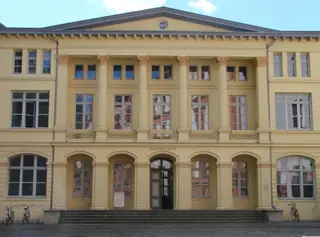
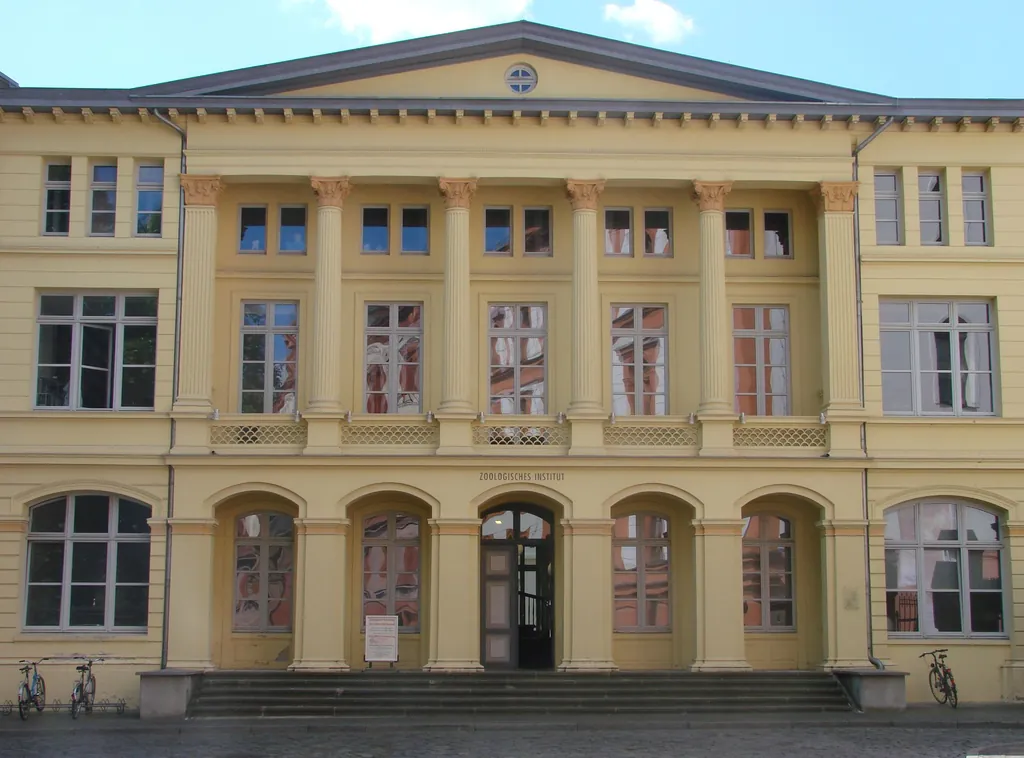
The Zoological Collection of the University of Rostock dates back to 1775. It was founded by the orientalist Oluf Gerhard Tychsen in Bützow, where the ducal state university was based at the time. After the reunification with the University of Rostock in 1789, the interdisciplinary "Academic Museum" first moved into the Weißes Kolleg. In 1844 the holdings, expanded by remnants of the grand-ducal collection from Ludwigslust and Schwerin, moved into the Neues Museum, and from 1880 gradually into the former Imperial Chamber Court building at Universitätsplatz 2, erected in 1840.
There, a large part of the holdings still stands in the original glass cabinets of the late 19th century – a display store that at the same time documents how natural history was presented in that period. Many renowned zoologists taught in Rostock and used the collection, including Hans Spemann and Karl von Frisch, who later received Nobel Prizes.
After 1945 the collection made up for wartime losses with material from marine and fisheries biologists and, since 1995, with its own field collecting. It serves research and teaching as well as the public. Well-known pieces include the Rostock arrow stork of 1822, two ichthyosaurs from Holzmaden and glass models by the Blaschka company; a biodiversity wall presents more than 200 native animal species.
Highlights
- Rostock arrow stork of 1822 – an early proof of bird migration
- Historic display store in 19th-century glass cabinets
- Biodiversity wall with animals from Mecklenburg-Vorpommern
- Two ichthyosaurs from Holzmaden
- Glass models by the Blaschka company
- Polar bear "Churchill", gorilla "Gorgo" and elephant skeleton "Sara" from Rostock Zoo
Permanent exhibitions
- Schaumagazin – On the 2nd floor, specimens from all over the world stand in historic glass cabinets – an insight into natural history exhibitions around 1900.
- Biodiversitätswand – More than 200 preserved animal species show the biodiversity of forests, moors, waters and the Baltic coast in Mecklenburg-Vorpommern.
- Founded
- 1775
- Operated by
- Universität Rostock, Institut für Biowissenschaften
Admission & discounts
Admission is free.
Accessibility
- Wheelchair accessible: not available
- Elevator: no information
- Accessible restroom: no information
- Accessible parking: no information
- Service dogs welcome: no information
- Tactile models & exhibits: no information
- Sign language tours: no information
- Easy-to-read materials: no information
- Audio description: no information
According to the collection, the building is not yet barrier-free; work on a solution has been under way for years.
Kids & families
The museum hasn’t published any information on this.
Getting there & parking
The museum hasn’t published any information on this.
Amenities & dining
The museum hasn’t published any information on this.
Events & venue rental
The museum hasn’t published any information on this.
Plan your visit
| Guided tours | yes |
|---|---|
| Good to know | Guided tours for groups of up to 20 people by registration with Antje Hlawa (tel. 0381 498 6281, antje.hlawa@uni-rostock.de). Lectures are announced by notice. |
Museums nearby
Kulturhistorisches Museum Rostock
Archäologische Sammlung der Universität Rostock
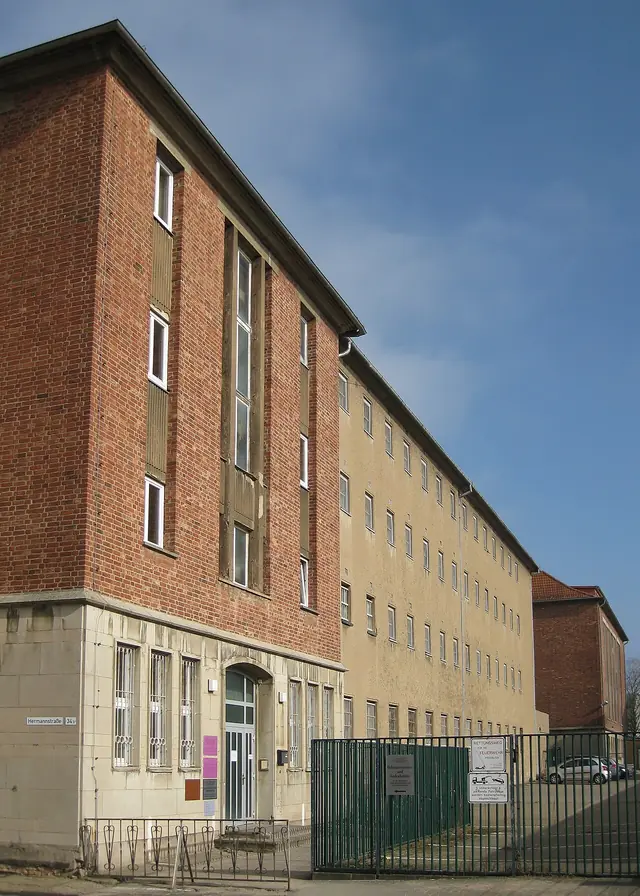
Dokumentations- und Gedenkstätte Rostock
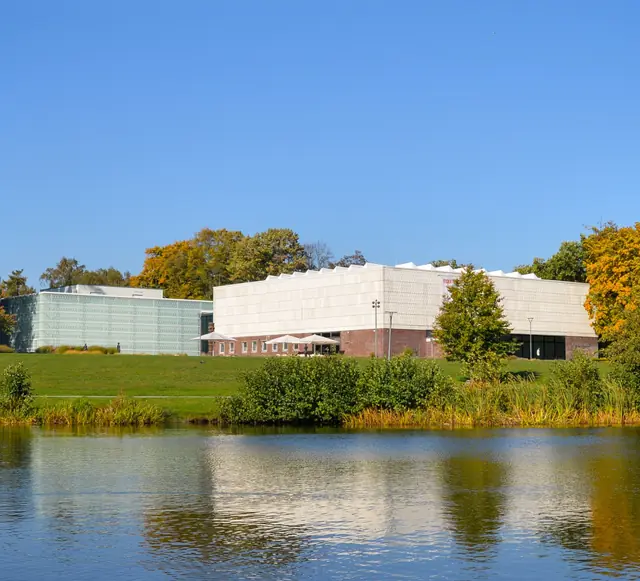
Kunsthalle Rostock

Schifffahrtsmuseum Rostock
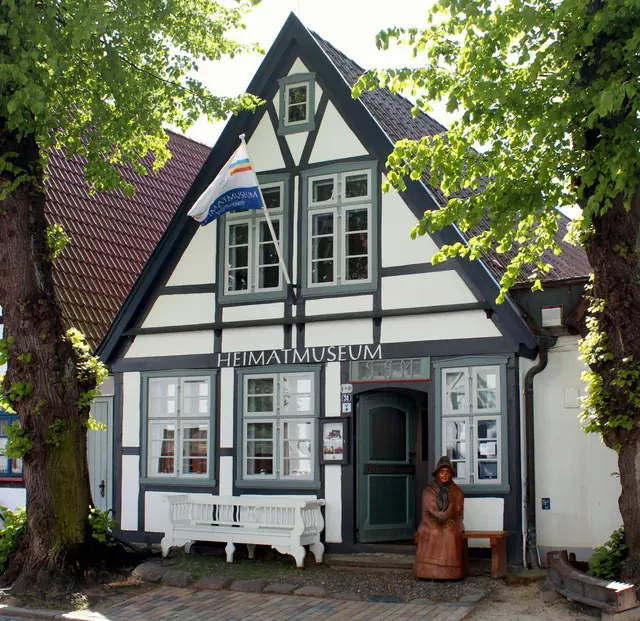
Heimatmuseum Warnemünde
All 8 museums in Rostock All museums in Mecklenburg-Western Pomerania