Abbazia di Santa Maria delle Carceri
Former Augustinian and Camaldolese abbey in the Bassa Padovana (lower Paduan plain), with cloisters, a medicinal herb garden and the Museo della Civiltà Contadina (Museum of Rural Life).
Have only individual sections read aloud
About the museum
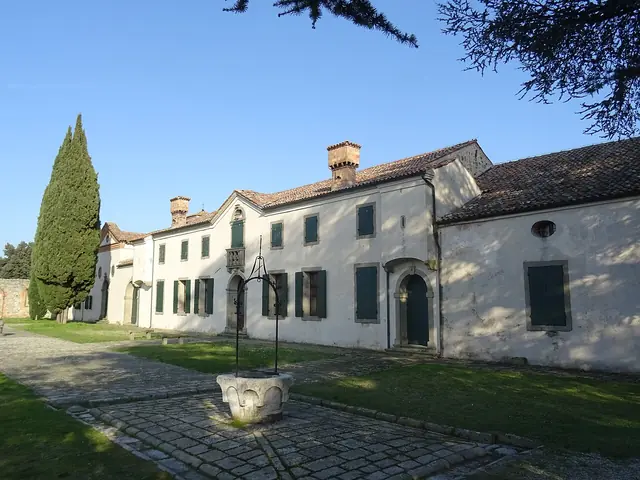
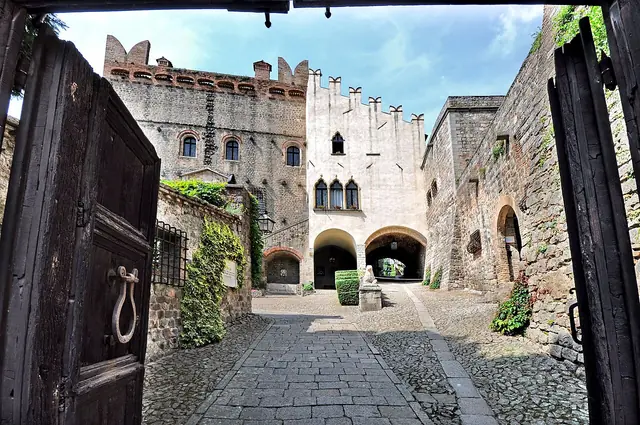
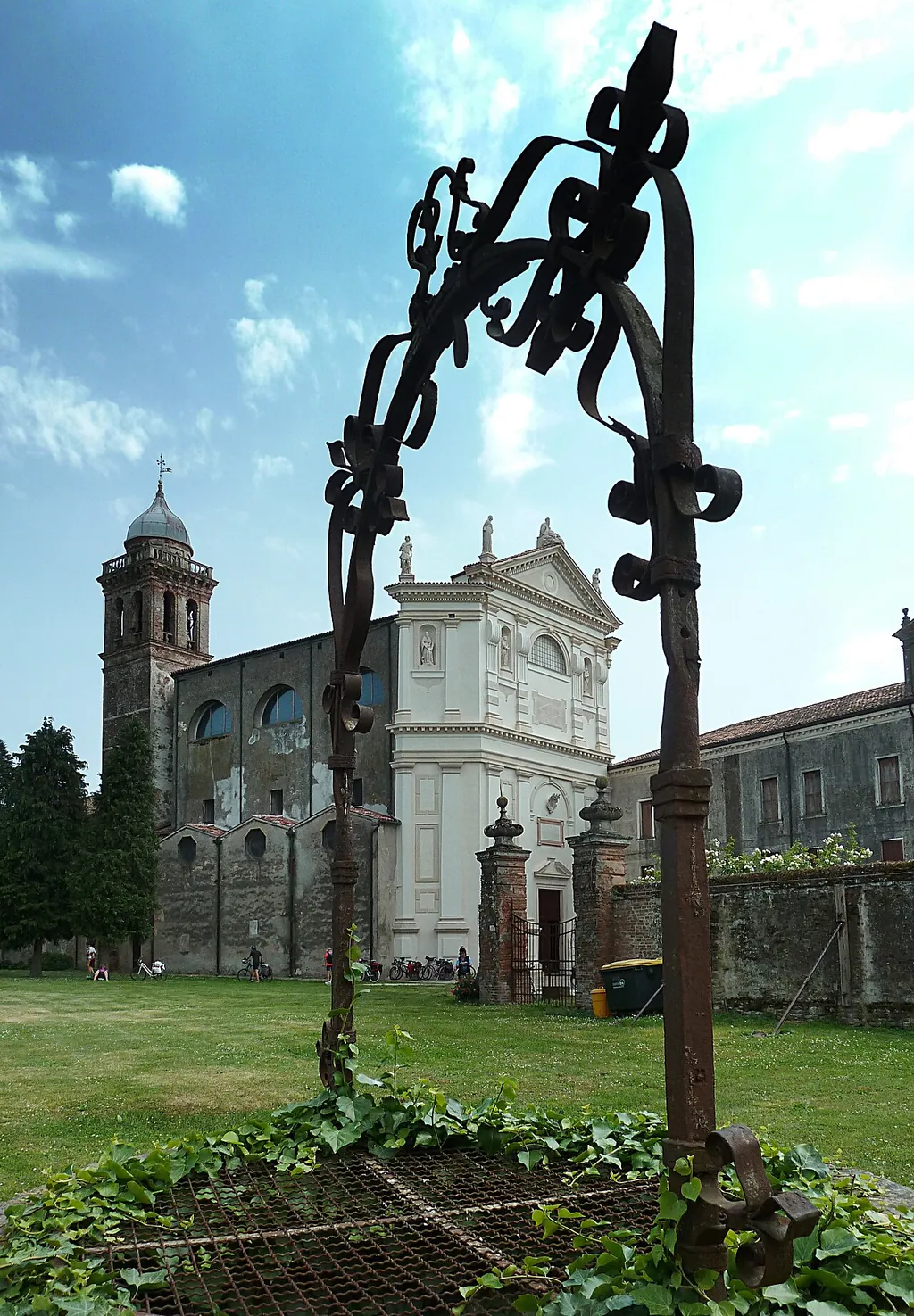
The Abbazia di Santa Maria delle Carceri reflects more than a thousand years of history in the Bassa Padovana. Around the year 1000, the canons of the collegiate church of Santa Tecla in Este, who followed the Augustinian rule, settled in the old country parish of Carceri and began draining the marshy land, founding a monastery that became one of the most important in the Veneto. In the 14th century a period of crisis, marked by locust plagues, the plague of 1348 and the wars between the Scaligeri and the Carraresi, led to its almost complete abandonment.
In 1408 Pope Gregory XII installed Camaldolese monks from San Michele di Murano, and in 1427 the monastery was raised to the rank of abbey. This was the period of its greatest splendour, with four cloisters, a library, an academy of studies, a guesthouse for pilgrims, and agricultural, ceramic and pharmaceutical activities. After a fire in 1643, Pope Alexander VIII decreed in 1690 that the abbey be suppressed and sold at auction.
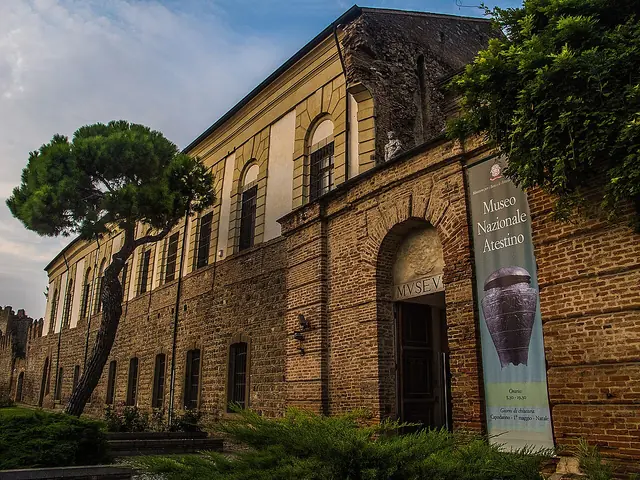
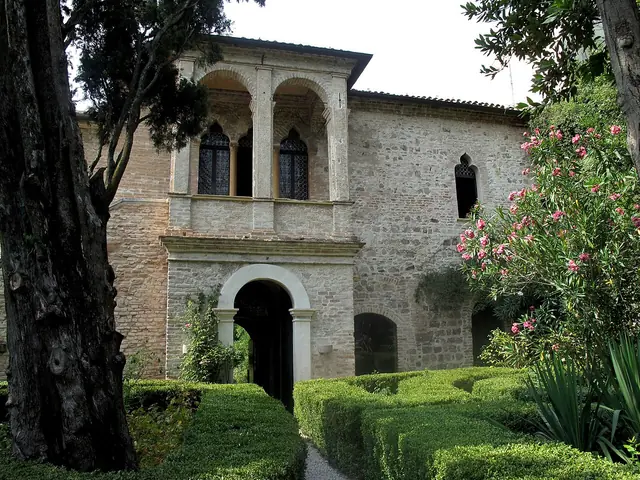
Bought by the Counts Carminati, who turned it into a farm by demolishing two cloisters and much of the enclosing walls, it passed to the parish of Carceri in 1950, which runs it today. In the complex, on the first floor of the 16th-century cloister, the Museo della Civiltà Contadina has been on display since 2002, with more than a thousand objects from farming life in the early 20th century. Next to the small Romanesque cloister lies the Giardino dei Profumi (Garden of Fragrances), devoted to medicinal plants.
Highlights
- Abbey complex with cloisters, including the 13th-century Romanesque cloister
- Museo della Civiltà Contadina with more than a thousand objects on display
- Rooms devoted to farm work, household work and traditional crafts
- Giardino dei Profumi with medicinal plants
- 360° virtual tour of the abbey
Permanent exhibition
- Museo della Civiltà Contadina – On the first floor of the 16th-century cloister, rooms devoted to farm work, household tasks and traditional crafts, with more than a thousand tools and objects from rural life in the early 20th century.
- Founded
- 2002
- Operated by
- Parrocchia di Carceri
Admission & discounts
The museum hasn’t published any information on this.
Accessibility
The museum hasn’t published any information on this.
Kids & families
The museum hasn’t published any information on this.
Getting there & parking
By car
Free parking
Free parking near the abbey.
By car: A13 motorway Padua–Bologna, exit Monselice, then SR10 towards Este–Legnago; after Este, follow the signs for Santa Caterina d'Este.
Get directionsAmenities & dining
The museum hasn’t published any information on this.
Events & venue rental
The museum hasn’t published any information on this.
Plan your visit
| Guided tours | yes |
|---|---|
| School programs | yes |
| Good to know | The reception offers visits to the abbey and the museum. Information and bookings for guided tours: +39 334 640 2126 or accoglienza.abbaziacarceri@gmail.com. The museum has a room for educational activities for primary schools. |