Complesso di Sant'Imbenia
Archaeological site on the bay of Porto Conte, with a Nuragic village that served as a Mediterranean emporium and a Roman maritime villa with baths and stucco.
Have only individual sections read aloud
About the museum
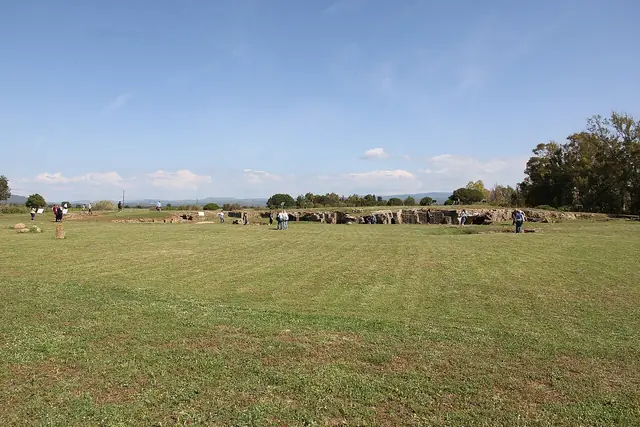
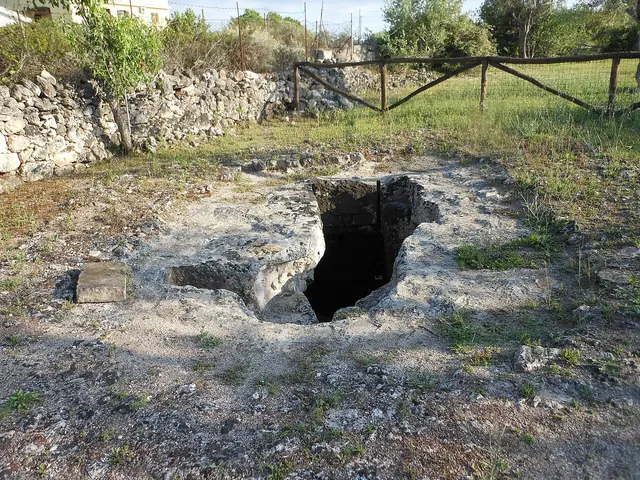
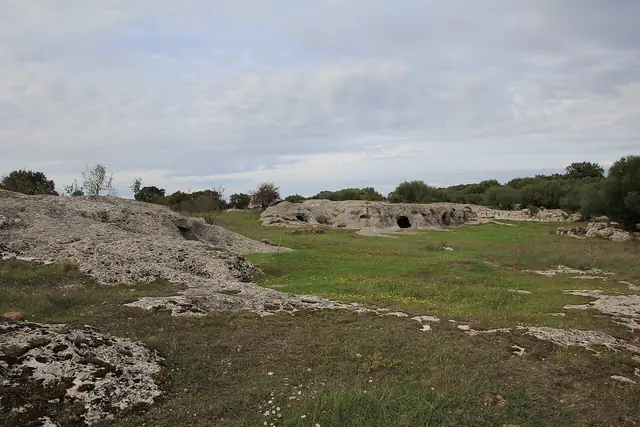
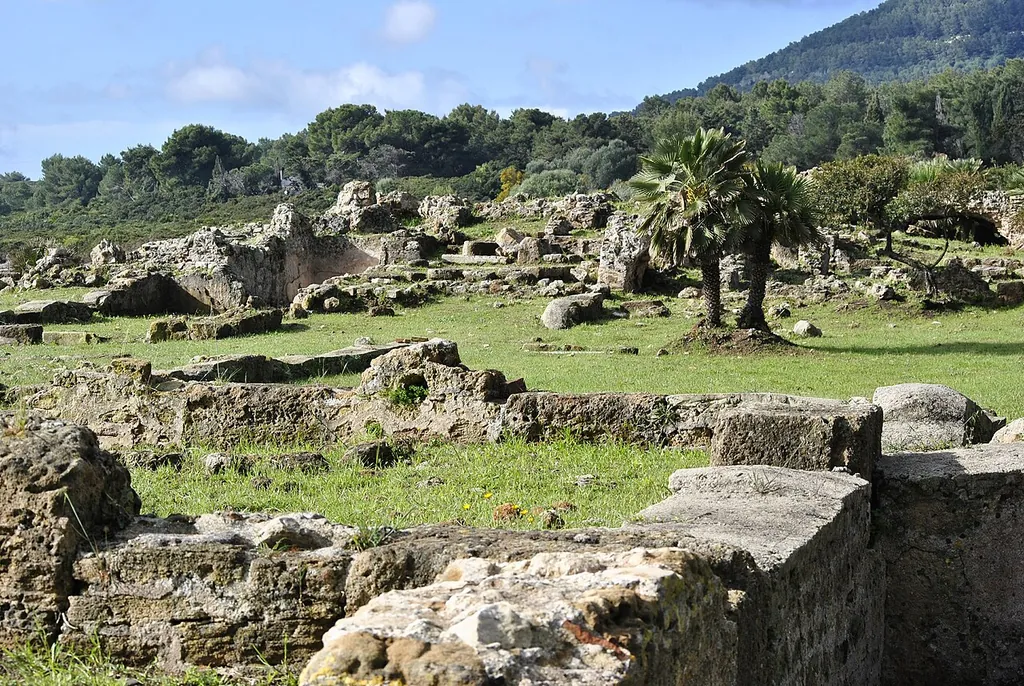
The Complesso di Sant'Imbenia lies in the innermost part of the Gulf of Porto Conte, the ancient Bay of the Nymphs, a few metres from the sea, and is run by the Parco di Porto Conte as part of the Ecomuseo del Parco. It brings together two distinct phases: a nuraghe with its village and a Roman villa.
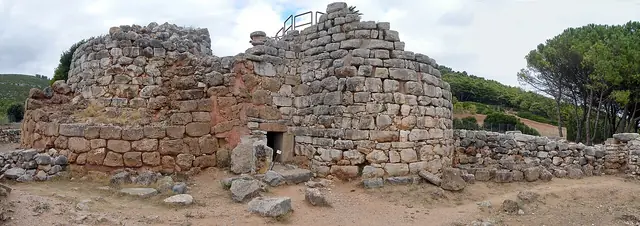
The nuraghe and the village were founded in the 14th century BC and were profoundly restructured from the second half of the 9th century BC, when an open public space with workshops and work areas was created, a kind of market square. In this phase the settlement was one of the earliest landing places of the Phoenicians and Levantine peoples in Sardinia, and it traded with several areas of the Mediterranean, as shown by imported Greek and Phoenician pottery displayed in the Museo archeologico della città di Alghero. Research began in 1982, was interrupted in 1997 and resumed in 2008.
The Roman villa is a maritime villa, used as a place of rest and holiday, built between the late 1st century BC and the early 1st century AD; with various alterations it was in use until the 4th century AD. It had two storeys, baths, dining and rest rooms overlooking the sea, and a rustic section for agricultural production, not yet excavated. The collapse of the upper floor protected the lower floor, preserving marbles from all over the Mediterranean, mosaic floors and fine stuccoes, some of which are kept in the city museum.
Highlights
- Nuragic village and emporium on the bay of Porto Conte
- Roman maritime villa with baths, mosaics and marbles
- View over the Gulf of Porto Conte, the ancient Bay of the Nymphs
- Finds from the site displayed in the Museo archeologico della città di Alghero
- Included in the Alghero Ticket
Permanent exhibitions
- Villa romana di Sant'Imbenia – Visit to the remains of the Roman maritime villa with the baths, the rooms overlooking the sea, the mosaics and the marbles.
- Nuraghe e villaggio nuragico di Sant'Imbenia – The nuraghe and village of the 14th century BC, with the market square and the workshops of the Iron Age.
- Operated by
- Parco di Porto Conte (Ecomuseo del Parco)
- Visitors per year
- approx. 3,102
Admission & discounts
| Adults | €9 |
|---|---|
| Reduced | €3children aged 4 to 14 |
| Children & teens | €3Ticket of €3 for children aged 4 to 14. |
| Alghero Ticket (single ticket for 13 sites, including the Roman villa of Sant'Imbenia) | €25Family ticket €50 (2 adults and 3 young people under 17); 2023 edition, available until 31 October. |
Visits are booked through ExplorAlghero (Escursioni guidate). The Alghero Ticket includes six venues of the Ecomuseo del Parco di Porto Conte.
Accessibility
The museum hasn’t published any information on this.
Kids & families
The museum hasn’t published any information on this.
Getting there & parking
The site lies along the provincial road 55 and can only be reached by car: from Alghero take the SS 127 bis towards Capo Caccia.
Get directionsAmenities & dining
The museum hasn’t published any information on this.
Events & venue rental
The museum hasn’t published any information on this.
Plan your visit
| Guided tours | yes |
|---|---|
| Good to know | Information and bookings at ExplorAlghero – Escursioni guidate (tel. +39 331 340 0862, info@exploralghero.it). On the weekends of “Monumenti Aperti” the Nuragic village is opened, with guided tours run by schools and universities. |