Museo archeologico comunale Ferruccio Barreca
Civic museum of the Parco Storico Archeologico di Sant'Antioco, with finds from ancient Sulky: settlement, necropolis and tophet from the Neolithic to the Roman age.
Have only individual sections read aloud
About the museum
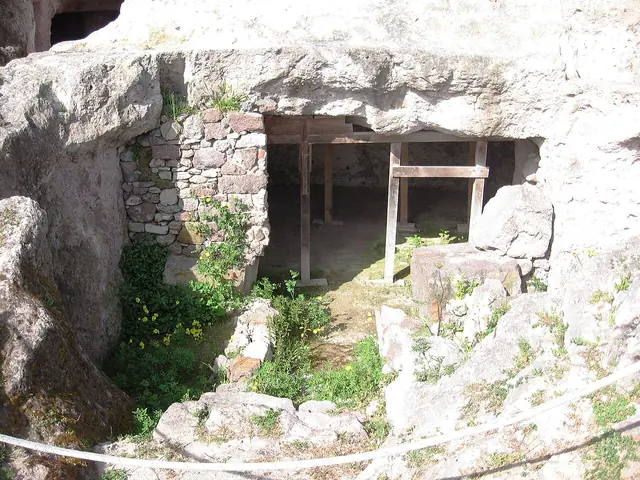
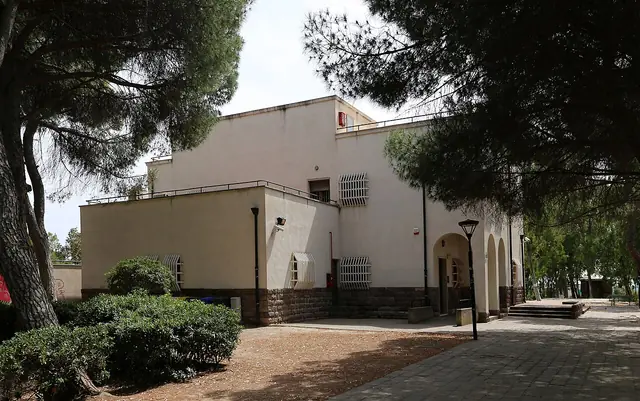
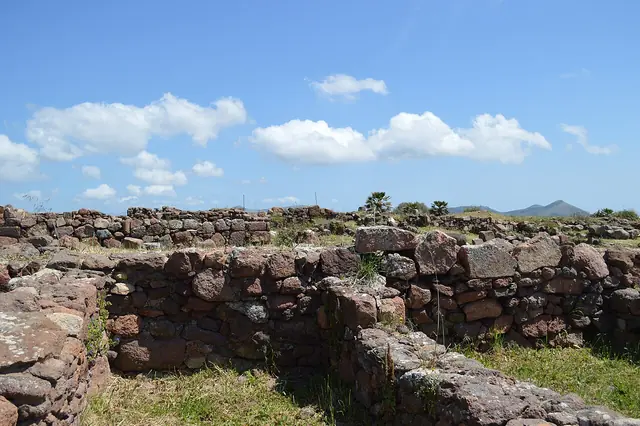
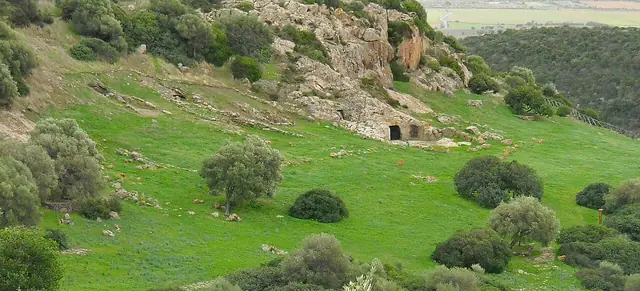
The Museo archeologico comunale “Ferruccio Barreca”, known as MAB, is named after the scholar who directed the excavations at Sant'Antioco, ancient Sulky or Sulci, founded by the Phoenicians at the beginning of the 8th century BC on the eastern shore of the island. It opened to the public in the mid-2000s, is part of the Parco Storico Archeologico di Sant'Antioco and stands near the tophet, the Phoenician-Punic sanctuary in the northern area of the city.
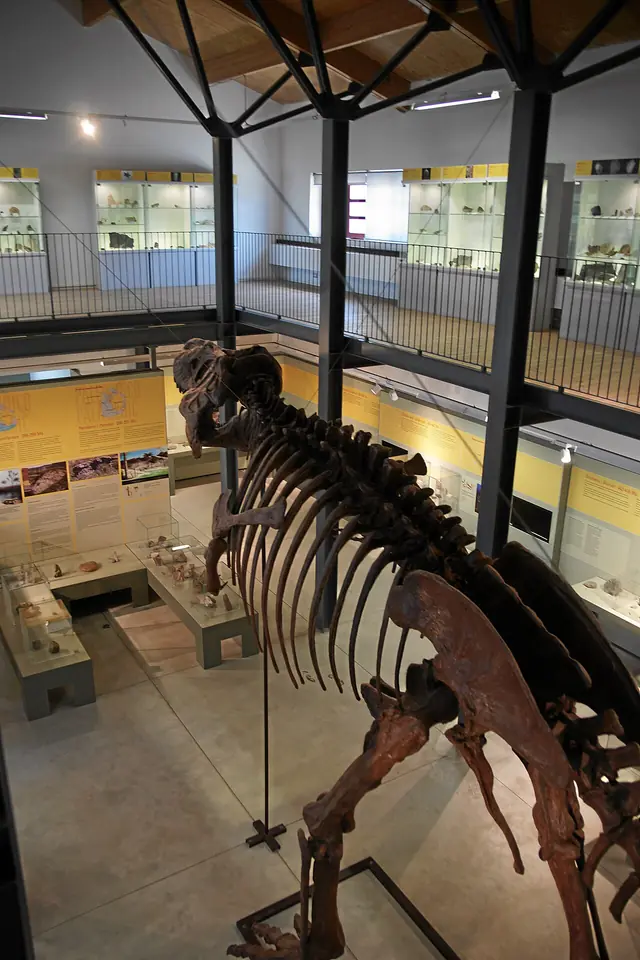
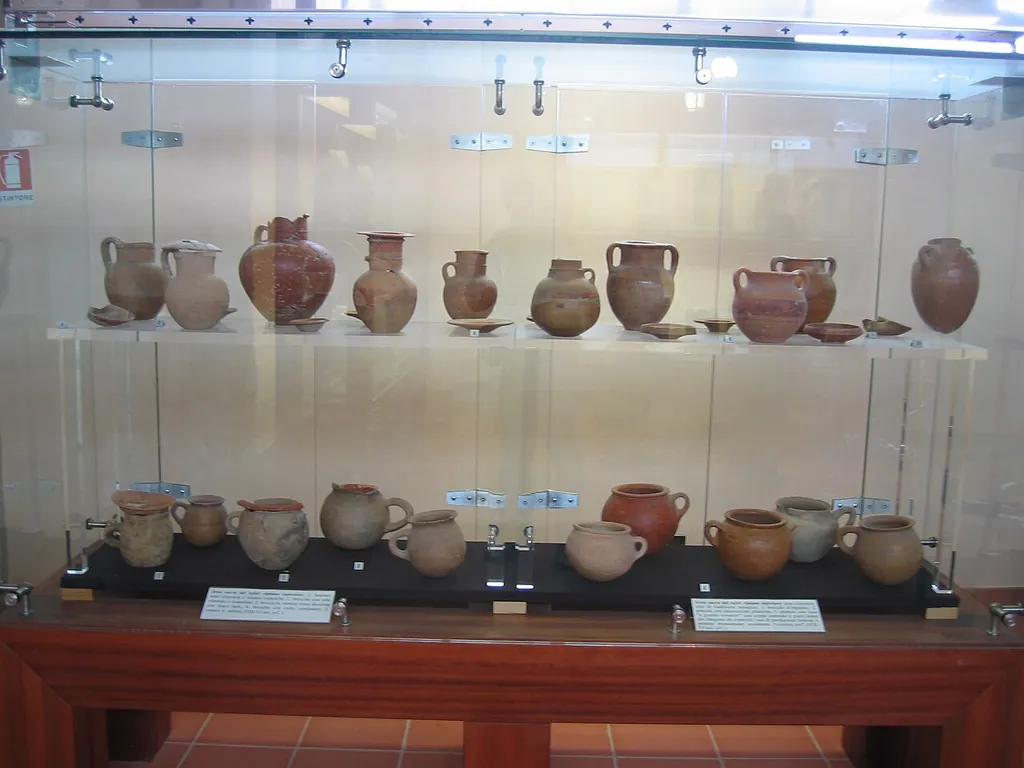
The display is topographical and chronological and follows the three components of the urban settlement: the settlement (room 1), the necropolises of adults (room 2) and the tophet (room 3). The collections cover a wide span of time, from the Neolithic and the Nuragic age to the Phoenician, Punic and Roman periods, with vessels, oil lamps, ornaments, amulets, ritual masks and grave goods.
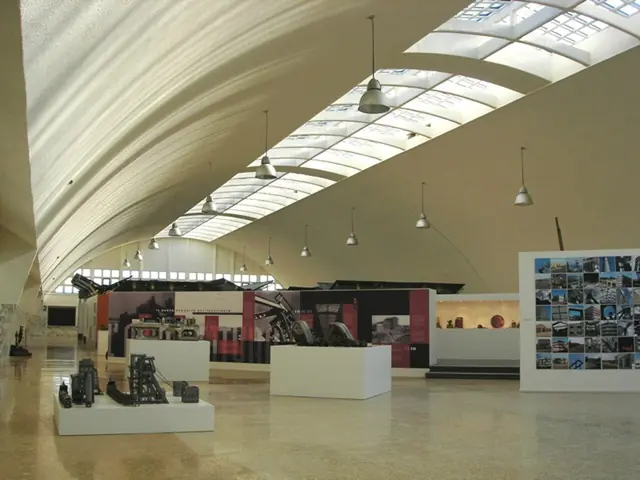
A model reconstructs the arrangement of the stelae and cinerary urns of the tophet; multimedia installations and virtual reality tools allow visitors to explore past environments and rites. Among the best-known pieces are a gold ring decorated with knurling and enamel of the 4th century BC and a perfume vessel with the image of the god Nile, of the 6th century BC.
Highlights
- Gold ring with knurling and enamel, 4th century BC
- Perfume vessel with the god Nile, 6th century BC
- Reconstruction of the tophet with stelae and cinerary urns
- Finds from the settlement, necropolises and tophet of Sulky
- Tactile route with maps for blind and visually impaired visitors
Permanent exhibition
- Percorso permanente: abitato, necropoli e tofet di Sulky – Three rooms devoted to the living contexts, necropolises and tophet of the ancient Phoenician-Punic city of Sulky, with a reconstruction of the sanctuary.
- Founded
- 2005
- Operated by
- Comune di Sant'Antioco; gestione Cooperativa Archeotur
- Visitors per year
- approx. 34,567
Admission & discounts
| Adults | €6 |
|---|---|
| Combined ticket Museo archeologico and Tophet | €7Reduced €5 for adults under 30 and groups of more than 20 people |
| Combined ticket for all areas of the Parco archeologico | €17 |
The ticket includes the guided visit. School rate for the park: €8. Rates and combinations are updated on the museum's website.
Accessibility
- Wheelchair accessible: no information
- Elevator: no information
- Accessible restroom: no information
- Accessible parking: no information
- Service dogs welcome: no information
- Tactile models & exhibits
- Sign language tours: no information
- Easy-to-read materials: no information
- Audio description: no information
Route for blind and visually impaired visitors with tactile maps. The museum signals access for people with disabilities; new installations for physical and digital accessibility have been announced by the museum.
Kids & families
The museum hasn’t published any information on this.
Getting there & parking
The museum hasn’t published any information on this.
Amenities & dining
- Museum shop
Bookshop.
Events & venue rental
The museum hasn’t published any information on this.
Plan your visit
| Guided tours | yes |
|---|---|
| School programs | yes |
| Good to know | Guided visits are included in the ticket price; educational and training workshops and experiential routes on request. |