Museo archeologico nazionale di Metaponto
National archaeological museum of the Achaean colony of Metaponto, temporarily closed for renovation; an exhibition in the storerooms can be visited by appointment.
Have only individual sections read aloud
About the museum
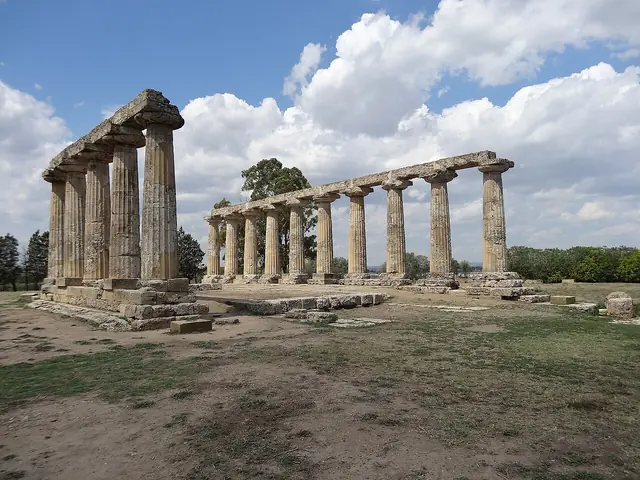
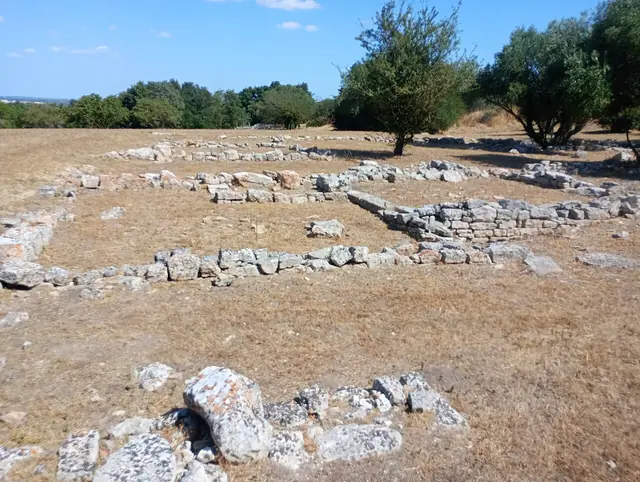
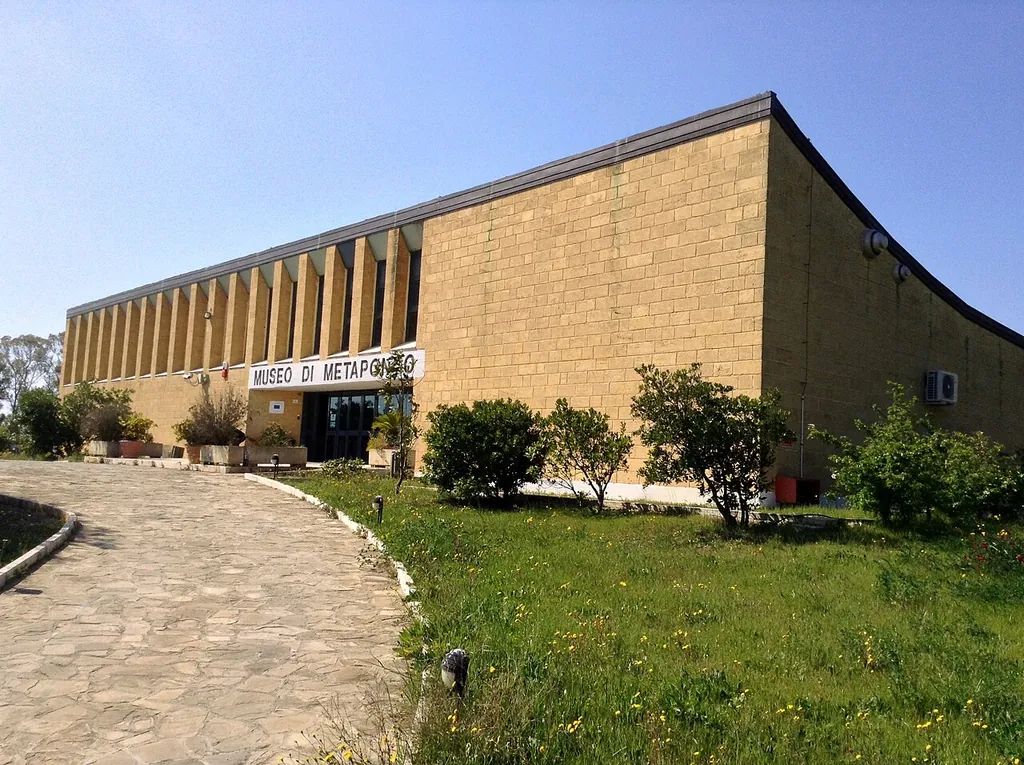
The museum replaces a small antiquarium near the Heraion outside the walls, at the locality Tavole Palatine, which remained active until the 1980s. The current building was inaugurated in January 1991 on an artificial hill in the modern village of Metaponto; in the outdoor area a group of archaic burials has been reconstructed.
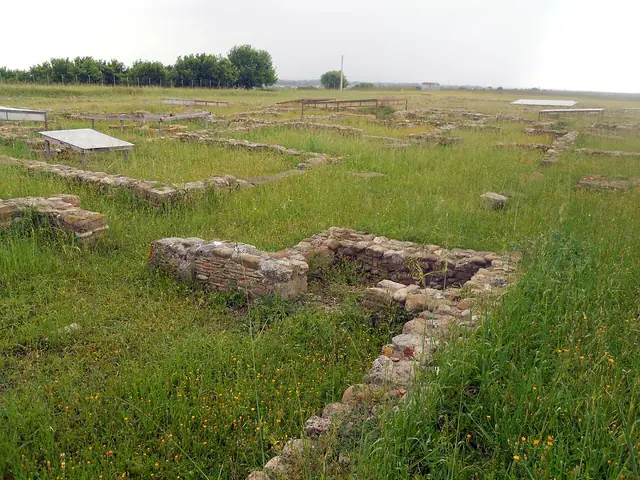
The Achaean foundation of the city dates to the last quarter of the 7th century BC, at the request of the Sybarites. In the 6th century BC the first Doric temples and the ekklesisterion were built. In the 4th century BC Metaponto was among the most prosperous cities, thanks to agriculture and crafts, with a quarter of potters. After the capture of Taranto (272 BC) it came under Roman control and went through a crisis, especially after Hannibal’s defeat. The resumption of excavations is linked to the archaeologist Dinu Adamesteanu, the first superintendent of Basilicata.
The exhibition route, of about 800 square metres, illustrates settlement from the Bronze Age, the Enotri, the arrival of the Greeks from the Peloponnese, the formation of the colony between the Bradano and Basento rivers, the Italic centres of the hinterland and the effects of the Roman conquest, with Greek and indigenous pottery, grave goods and works from Lucanian workshops. The museum is currently closed for renovation.
Highlights
- Indigenous pottery and Italo-Mycenaean vases from San Teodoro and Incoronata
- Krater with Bellerophon on Pegasus and Greek figured pottery
- Dionysiac and Orphic scenes on vases of the Classical–Hellenistic period
- Works from proto-Lucanian and Lucanian workshops (Painter of Pisticci, Painter of Amykos)
- Reconstruction of archaic burials in the outdoor area
Permanent exhibition
- Percorso archeologico di Metaponto – Sections on settlement from the Bronze Age, the Enotri-Choni, the Greeks, the colony between the Bradano and Basento, the Italic centres and the Roman conquest (currently not open because of works).
- Founded
- 1991
- Operated by
- Ministero della Cultura – Direzione regionale Musei nazionali della Basilicata
- Visitors per year
- approx. 35,862
Admission & discounts
| Adults | €5 |
|---|---|
| Reduced | €2EU citizens aged 18 to 25 |
| Children & teens | freefree up to age 17 · Free admission for under 18s (under 12s must be accompanied). |
| Visitors with disabilities | freecompanion free · Free admission for people with disabilities, with one companion. |
| Storerooms | €3 |
| Archaeological park | €5 |
| Combined ticket for museum and storerooms | €8 |
| Combined ticket for museum, storerooms, park, Castro romano, Tavole Palatine and the Crucinia necropolis | €10Valid for 3 days. |
Free admission: First Sundays of the month and other occasions announced by the Ministry of Culture.
Free entry to the Temple of Hera (Tavole Palatine) and to the park. Single ticket office on site or online via the Musei Italiani portal; the ticket is non-refundable. Also free for EU tourist guides, teachers with certification, registered journalists and other categories.
Accessibility
- Wheelchair accessible
- Elevator: no information
- Accessible restroom: no information
- Accessible parking: no information
- Service dogs welcome: no information
- Tactile models & exhibits: no information
- Sign language tours: no information
- Easy-to-read materials: no information
- Audio description: no information
All areas are accessible to people with reduced mobility via ramps.
Kids & families
The museum hasn’t published any information on this.
Getting there & parking
The museum hasn’t published any information on this.
Amenities & dining
The museum hasn’t published any information on this.
Events & venue rental
The museum hasn’t published any information on this.
Plan your visit
| Guided tours | yes |
|---|---|
| School programs | yes |
| Good to know | Guided tours on request; interdisciplinary educational routes and tailored packages for schools and groups. The museum has an archive, a library, a photo library and a restoration laboratory. |