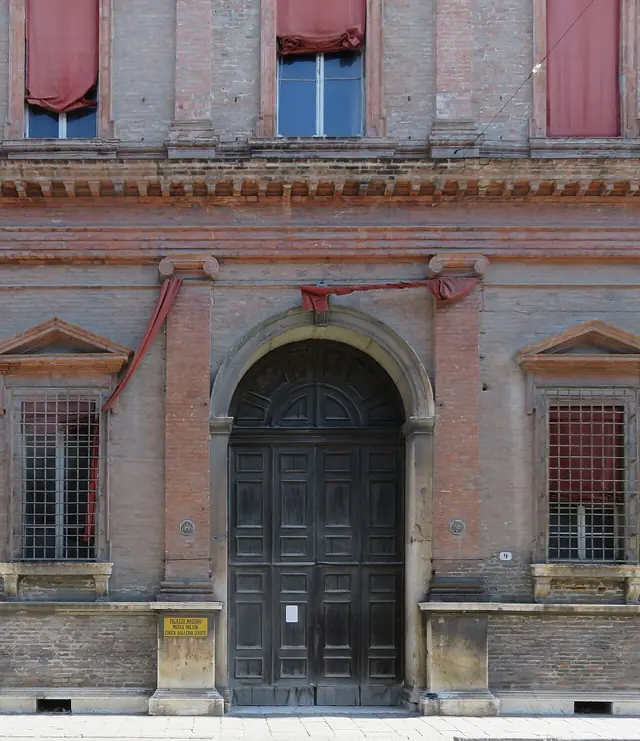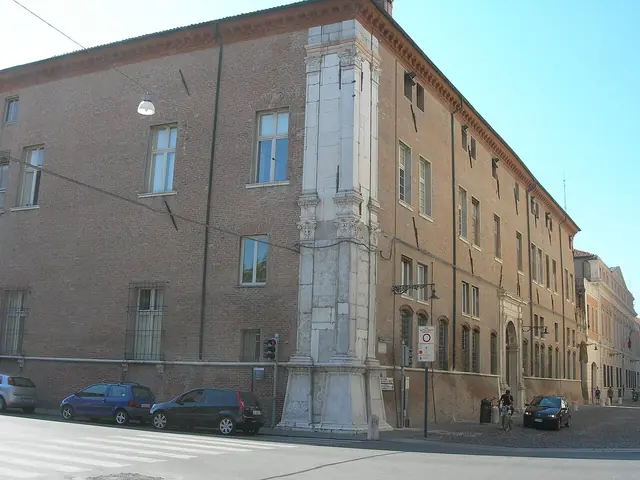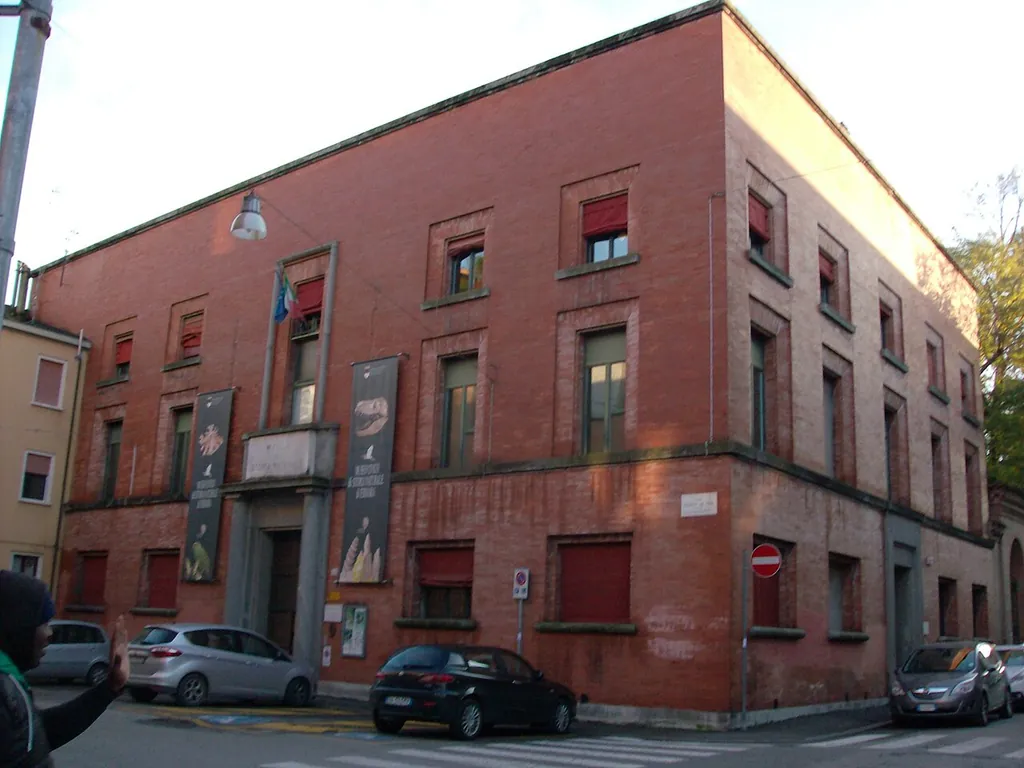
Museo civico di storia naturale
City museum of natural sciences in the centre of Ferrara, with zoology, geology and palaeontology collections; closed for renovation until 2027.
Have only individual sections read aloud
About the museum
The museum was founded in 1862, when the University of Ferrara, then under the municipal administration, established a chair of Natural History and decided to equip it with a museum. The first nucleus was modest: a collection of minerals donated to the existing civic museum in the mid-18th century by Canon Antonio Marescotti, and a few African zoological specimens. The museum was inaugurated on 26 May 1872 in the former convent delle Martiri, in Via Roversella, under the direction of Galdino Gardini, who in a few years expanded the collections to over 74,000 specimens.
After Gardini retired in 1892, the museum closed to the public. In 1937 the collections, partly broken up, were reunited and moved to the present site in the city centre. After the war, the directorship of Mario Francesco Canella gave the museum new life; it was redisplayed in the 1950s, and the historic room with fossils has been preserved from that period.
The display route is organised into “Ambiente Terra”, a guide to environmental diversity with attention to the Ferrara territory and the Po Delta, and a systematic section with a more traditional layout, featuring minerals, invertebrates, vertebrates and a rich ornithological collection. Since 1 February 2025 the museum has been closed to the public for renovation works, with completion expected in January 2027, followed by the new displays.
Highlights
- “Ambiente Terra” route on natural habitats, the Po Delta and the evolution of the Ferrara plain
- Historic room with fossils and reconstructions of large reptiles, preserved in the 1950s display
- Systematic section with fluorescent minerals, invertebrates, vertebrates and birds
- 19th-century specimens, such as the condors with lamb
- “Animali Sparuti Spariti” route on endangered species, with information sheets accessible via QR code
Permanent exhibitions
- Ambiente Terra – Route on the first floor on the environmental diversity of the world, with display cases of fauna, flora, fossils and rocks, dioramas and a stratigraphic section of the Dolomites.
- Sala storica – Room with plant and animal fossils and reconstructions of large reptiles, preserved in the 1950s display.
- Sezione sistematica – Overview of geological and biological diversity with minerals, invertebrates, vertebrates and a large collection of birds.
- Founded
- 1950
- Operated by
- Comune di Ferrara
- Visitors per year
- approx. 19,750
Admission & discounts
Admission is free.
Free admission for everyone before the closure for works. Guided tours by reservation used to cost €5 per person.
Accessibility
- Wheelchair accessible: not available
- Elevator: not available
- Accessible restroom: no information
- Accessible parking: no information
- Service dogs welcome: no information
- Tactile models & exhibits: no information
- Sign language tours: no information
- Easy-to-read materials: no information
- Audio description: no information
The museum has no lift or other solutions for people with reduced mobility, as the route is spread over two floors. For visits to the ground floor, the website asks visitors to contact the staff in advance.
Kids & families
Great for kids & families
- Family tours & workshops
The museum offers educational activities for school classes and birthday parties in the museum. The “Animali Sparuti Spariti” project also targets a young audience.
Getting there & parking
By public transit
From the railway station the museum can be reached in about 20 minutes on foot, or by bus lines 1 and 9.
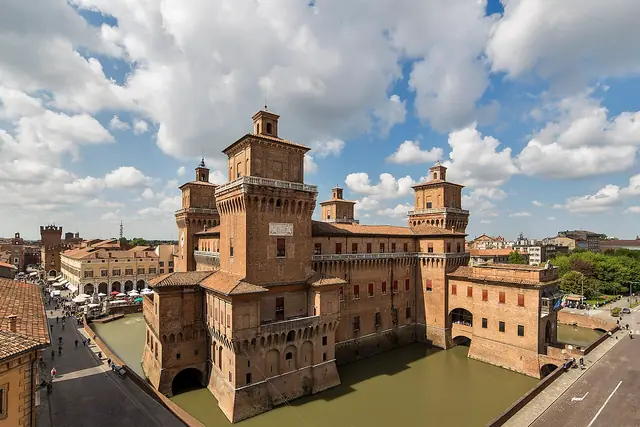
The museum is a few steps from the Castello Estense, in the historic centre. By car it is advisable to take the Ferrara Nord exit of the A13 Bologna–Padua motorway.
Get directionsAmenities & dining
The museum hasn’t published any information on this.
Events & venue rental
The museum hasn’t published any information on this.
Plan your visit
| Guided tours | yes |
|---|---|
| School programs | yes |
| Good to know | Before the closure, guided tours were available by reservation through the Associazione Didò (dido.storianaturale@gmail.com, +39 339 306 5696). In the museum, QR codes link to web pages for visits on mobile phones, with texts and audio in Italian and English. |