Museo di Castelvecchio
Civic museum of Verona in the 14th-century Scaliger castle, rearranged by Carlo Scarpa: sculpture and painting from the Middle Ages to the 18th century, weapons and finds.
Have only individual sections read aloud
About the museum
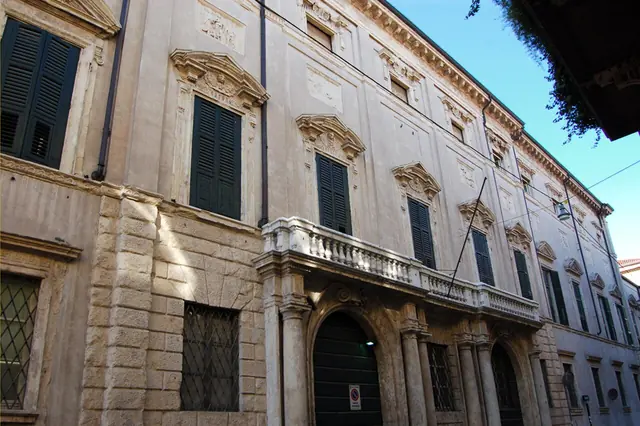
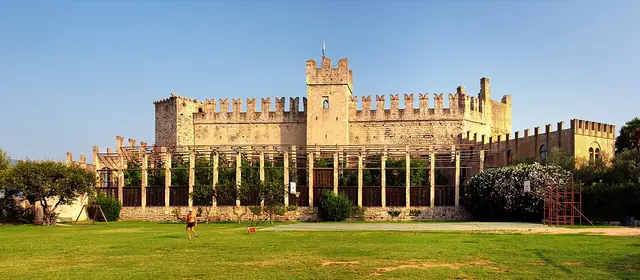
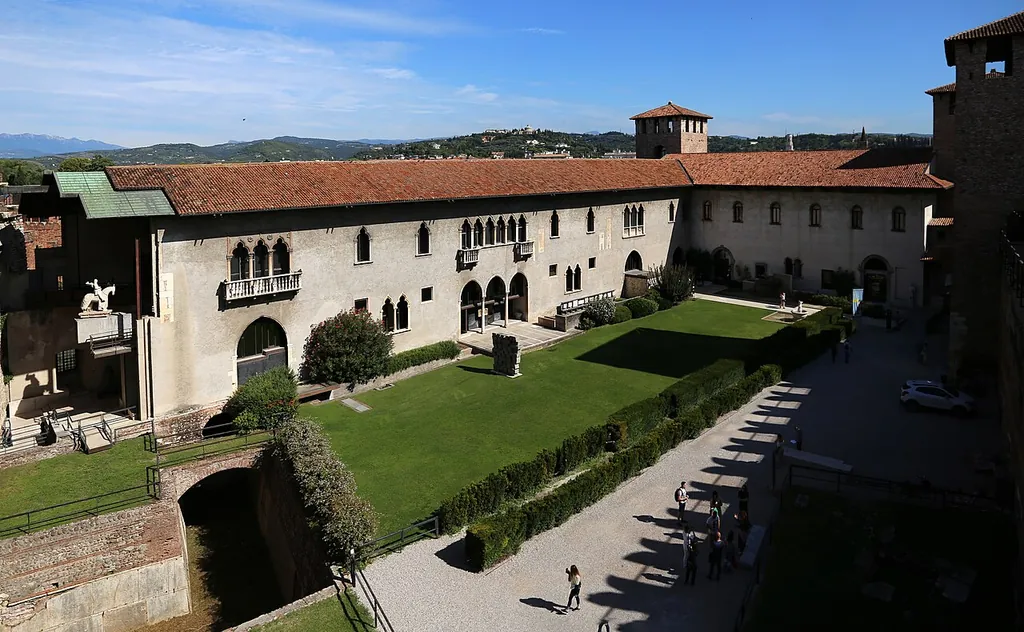
The museum is housed in the 14th-century castle of the Della Scala family, the powerful dynasty that ruled Verona in the Middle Ages. Its collections originate from about two hundred works owned by the city and the Church, which the painter Saverio Dalla Rosa managed to save from the Napoleonic suppressions, destined for the public civic gallery established in 1827. To these were added marbles, antiquities and medals; the donation by the Pompei counts also brought the 16th-century Palazzo alla Vittoria, by Michele Sanmicheli, which became the museum's first home and where it was officially opened in 1857. During the 19th and 20th centuries gifts, bequests and purchases expanded the collections.
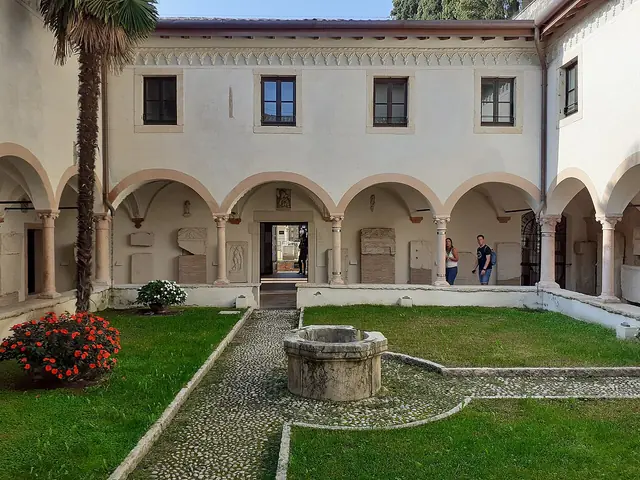
Between 1958 and 1964 the director Licisco Magagnato and the architect Carlo Scarpa carried out a restoration and rearrangement that made the castle a landmark of post-war museography in Italy: Scarpa kept the different historical phases of the building legible and arranged the works according to an idea of the museum as a total work of art. The museum marks the centenary of the castle's first display with a route dedicated to the equestrian monument of Cangrande.
Today the museum holds evidence from the Early Middle Ages to the 18th century, from Lombard-era craftwork to Veronese painting and sculpture: twenty-nine rooms house paintings, sculptures, archaeological finds and weapons. The route gives ample space to the art of the Scaliger court, from the Gothic sculpture of the Master of Sant'Anastasia and of Turone and Altichiero, to Pisanello, Michele Giambono and Giovanni Badile, as well as the Renaissance innovations brought by Andrea Mantegna.
Highlights
- Scaliger castle with the Corte d'armi, rearranged by Carlo Scarpa
- Equestrian statue of Cangrande della Scala
- Gallery of medieval sculpture
- Paintings by Pisanello, Michele Giambono, Liberale da Verona and the Morone
- Weapons room and Lombard finds
- Torre dell'Orologio, wall walks and hanging garden
Permanent exhibitions
- Galleria delle sculture – Sculpture route from the Lombard period to the Renaissance, in the castle rooms rearranged by Carlo Scarpa.
- Galleria dei dipinti – Paintings from the 14th to the 18th century, including Veronese and Venetian painting and the Flemish and Dutch schools.
- Operated by
- Comune di Verona – Musei Civici
- Director
- Francesca Rossi
- Visitors per year
- approx. 179,446
Admission & discounts
| Adults | €9 |
|---|---|
| Reduced | €6groups of at least 15 people, over-65s and agreements |
| Children & teens | freefree up to age 17 · Free for ages 0 to 17 (children under 14 must be accompanied). |
| Visitors with disabilities | freecompanion free · Free admission for people with disabilities and their companion. |
| Students & apprentices | €2Reduced rate for young people aged 18 to 25, citizens of the European Union and of countries with reciprocal arrangements. |
| Audio guide, also for blind and partially sighted visitors | €4 |
Free admission: Admission €1 on the first Sunday of the month from November to March.
From 31 October 2026 to 31 January 2027, on the occasion of the exhibition “La Venere di Tiziano e il Rinascimento musicale”, prices change: standard €12, reduced €9, young people aged 18–25 pay €4. Free admission also with the VeronaCard and with My IMUV Card (residents of the Comune di Verona). Tickets can be bought online at verona.coopculture.it or at the museum ticket office. By presenting your museum ticket you can enter the Arche Scaligere free of charge on the same day (open in the summer period).
Accessibility
- Wheelchair accessible: no information
- Elevator: no information
- Accessible restroom: no information
- Accessible parking: no information
- Service dogs welcome: no information
- Tactile models & exhibits: no information
- Sign language tours: no information
- Easy-to-read materials: no information
- Audio description
Audio guides are available, including for blind and partially sighted visitors, as well as audio description of 12 masterpieces of the museum through a dedicated web app. Wheelchairs and pushchairs are permitted on the routes, except in areas where safety reasons do not allow it; staff will point out accessible spaces.
Kids & families
| Kids’ admission | free up to age 17 |
|---|
- Family tours & workshops
The education office offers workshops for children and schools, for example on life in the castle, colour, painting techniques, portraiture and mythology.
Getting there & parking
The museum hasn’t published any information on this.
Amenities & dining
- Museum shop
- Coat check
- Wi-Fi
Free cloakroom for bags and small luggage. Bookshop (closes at 17:30). Free Wi-Fi “freewifi@verona” via the Verona SmartApp.
Events & venue rental
The museum hasn’t published any information on this.
Plan your visit
| Guided tours | yes |
|---|---|
| Audio guide | yes |
| School programs | yes |
| Photography | In the rooms of the permanent collection, cameras without flash or tripod and video cameras without tripod are permitted for personal use; in the temporary exhibition rooms, filming is prohibited unless otherwise indicated. |
| Good to know | Guided tours of the permanent collections of the Musei Civici are free, by reservation, and included in the admission ticket. Education office: +39 045 803 6353 and +39 045 597140, museiverona@spazioaster.it. An augmented reality web app is also available. Dogs are admitted, in accordance with the Musei Civici pet policy; large luggage is not permitted, including child-carrier backpacks. Ticket sales end at the latest 45 minutes before closing. |