Museo Diocesano di Sarzana
Diocesan museum in the Oratorio della Misericordia in Sarzana, with silverware, vestments and paintings from the lower Magra Valley and works by Domenico Fiasella.
Have only individual sections read aloud
About the museum
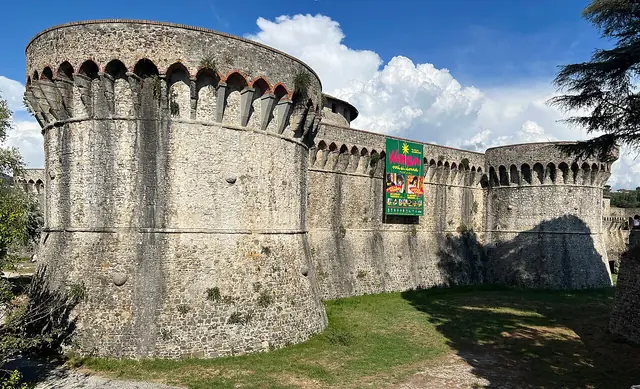
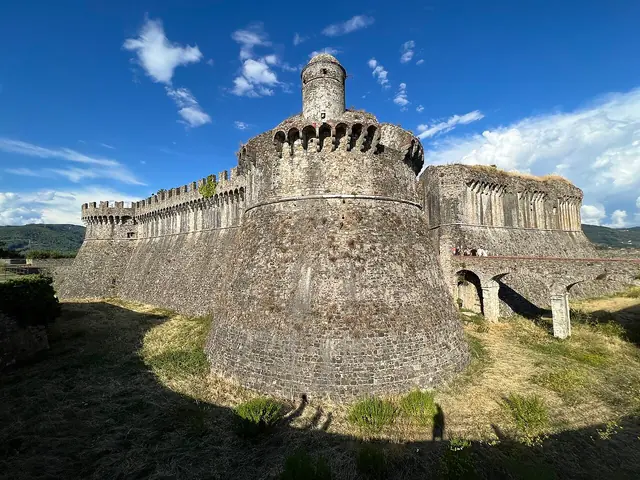
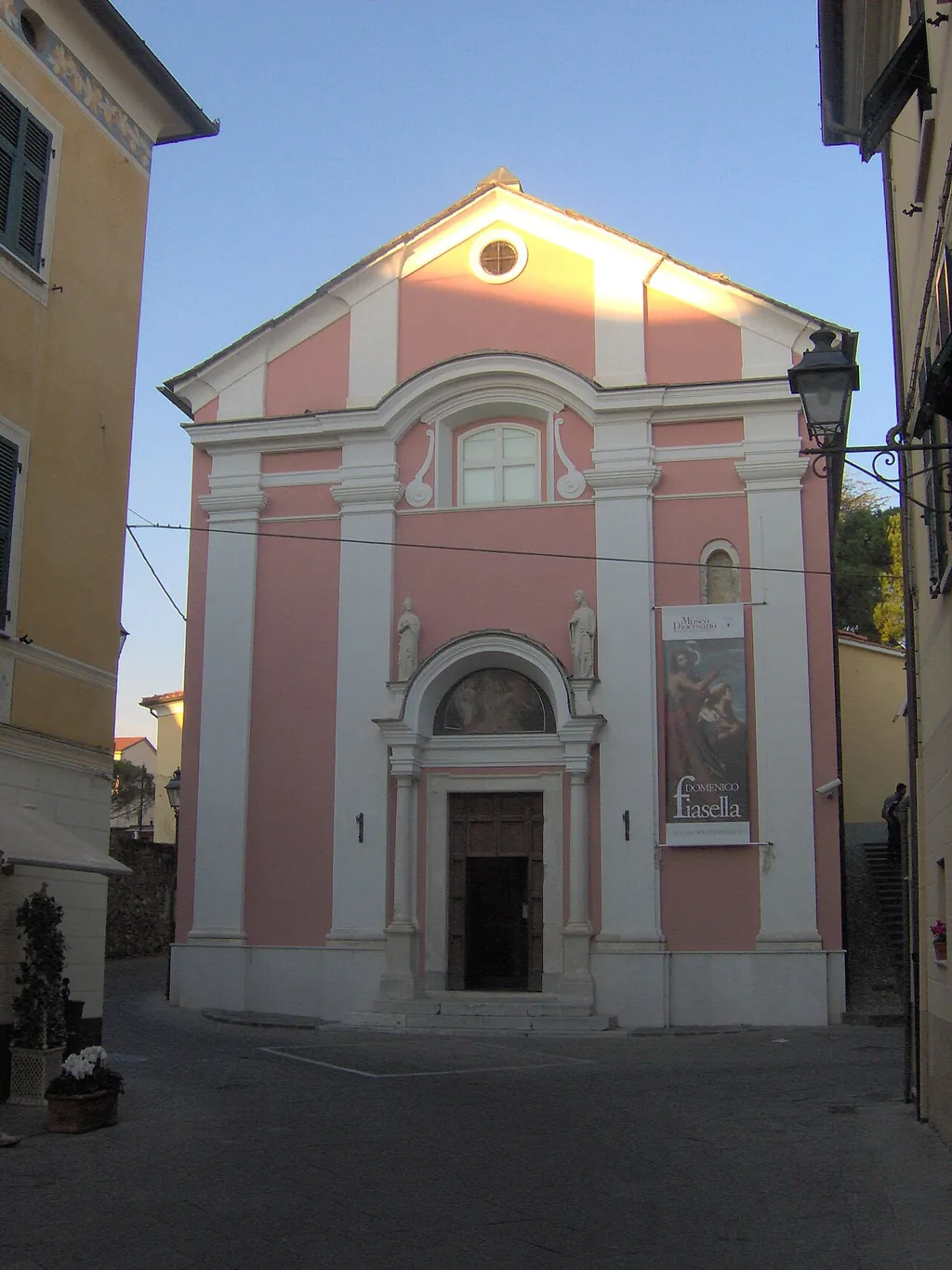
The museum was created to preserve and enhance the substantial artistic heritage of the lower Magra Valley and to honour the long history of the diocese. It is housed in the Oratorio della Misericordia, built towards the end of the 16th century in the oldest part of the town, between the Basilica of Santa Maria Assunta, the Renaissance citadel and the Teatro degli Impavidi.
The oratory was built by the Confraternita della Misericordia, known as the dei Neri (Black Brothers), established in Sarzana on 1 April 1578 to assist the poor and the sick. It is the result of building work lasting two centuries, from the 16th to the 18th, and comprises a rectangular hall with a barrel vault with lunettes and an apse. The façade, in 18th-century taste, has a Doric portal, and beside it stands a late 19th-century bell tower.
The route is arranged in six rooms. The first holds the silverware, including a small bag-shaped reliquary of Syrian origin from the 8th century and a silver-gilt and enamelled processional reliquary cross, an example of Italian Gothic of the early 14th century. The cupboard room holds sacred furnishings from the 15th to the 19th century; the slate room displays paintings on slate, such as the Imago Pietatis by Filippo Martelli (1621); another room is dedicated to the cult of the Most Precious Blood. One room is named after Domenico Fiasella, called il Sarzana, and houses the Investiture of Saint Clare; another is devoted to the 15th-century parato (set of altar hangings) of velvet and gold thread donated by Cardinal Filippo Calandrini. In the nave of the oratory are displayed, among other works, the Perdono di Assisi by Domenico Piola and the Flagellation in polychrome wood from the school of Maragliano.
Highlights
- Bag reliquary of the 8th century and Gothic processional cross of the early 14th century
- Slate room with the Imago Pietatis by Filippo Martelli
- Room dedicated to Domenico Fiasella with the Investiture of Saint Clare
- 15th-century altar hangings donated by Cardinal Filippo Calandrini
- Perdono di Assisi by Domenico Piola and Flagellation from the school of Maragliano
- Seat in the Oratorio della Misericordia, built in the late 16th century
Permanent exhibition
- Percorso in sei sale – Silverware, sacred furnishings from the 15th to the 19th century, paintings on slate, works by Domenico Fiasella, the Calandrini parato and paintings and sculptures from the lower Magra Valley in the nave.
- Operated by
- Diocesi della Spezia, Sarzana e Brugnato
Admission & discounts
The museum hasn’t published any information on this.
Accessibility
The museum hasn’t published any information on this.
Kids & families
The museum hasn’t published any information on this.
Getting there & parking
The museum hasn’t published any information on this.
Amenities & dining
The museum hasn’t published any information on this.
Events & venue rental
The museum hasn’t published any information on this.
Plan your visit
| Guided tours | yes |
|---|---|
| School programs | yes |
| Good to know | Guided visits for groups and school classes are also available on weekdays, by reservation made well in advance. |