Palazzo Ajutamicristo
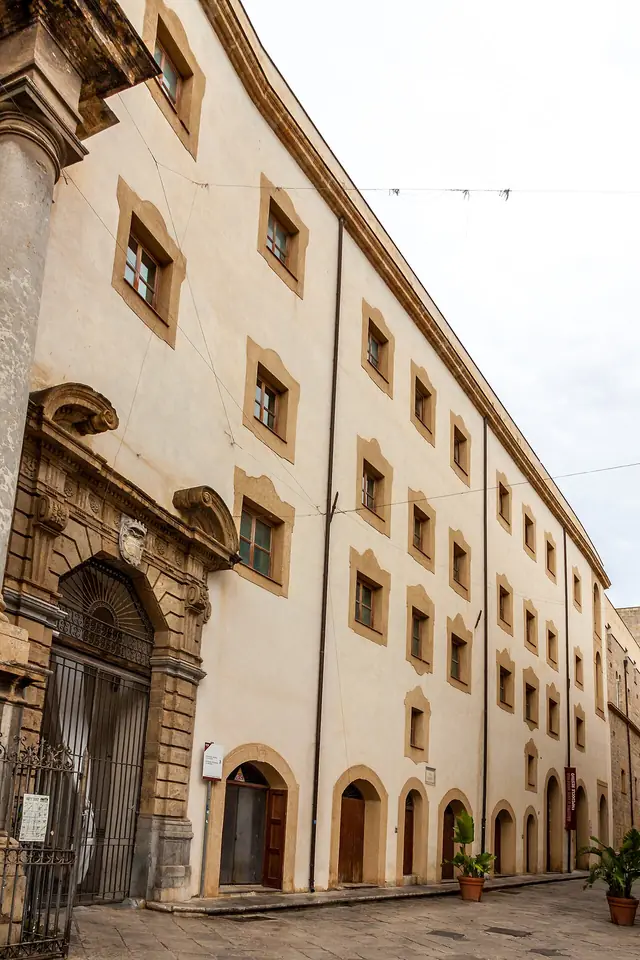
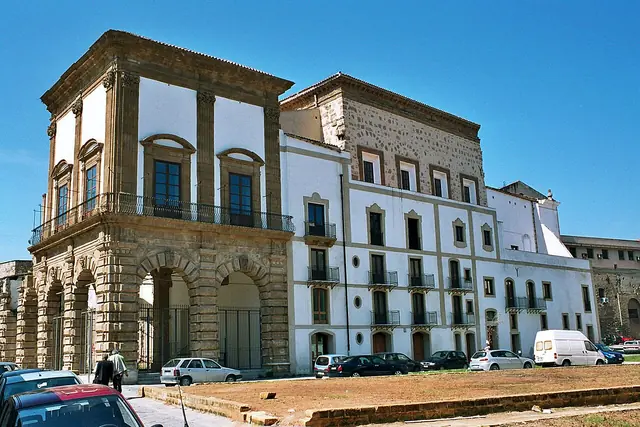
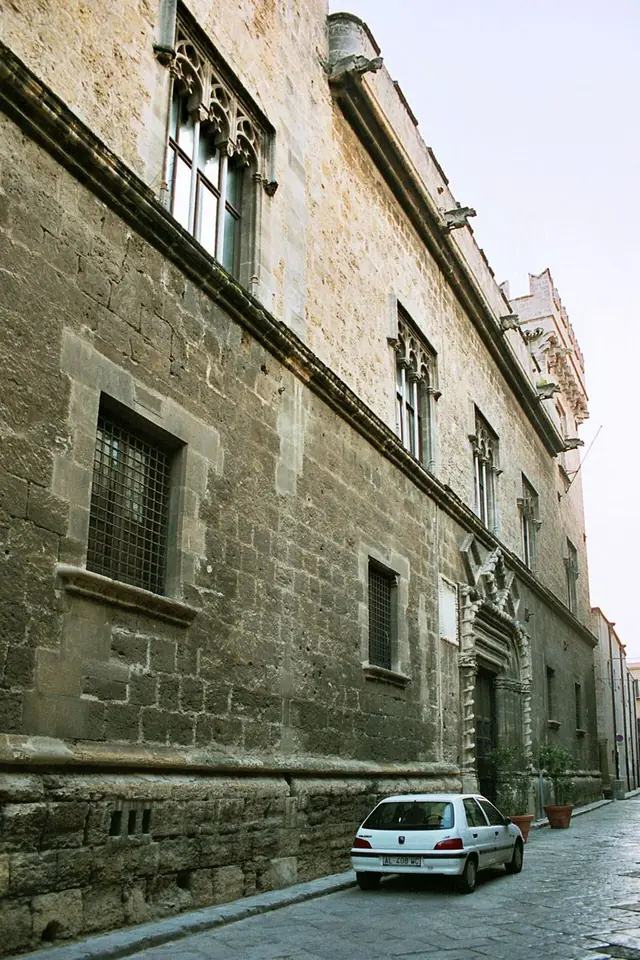
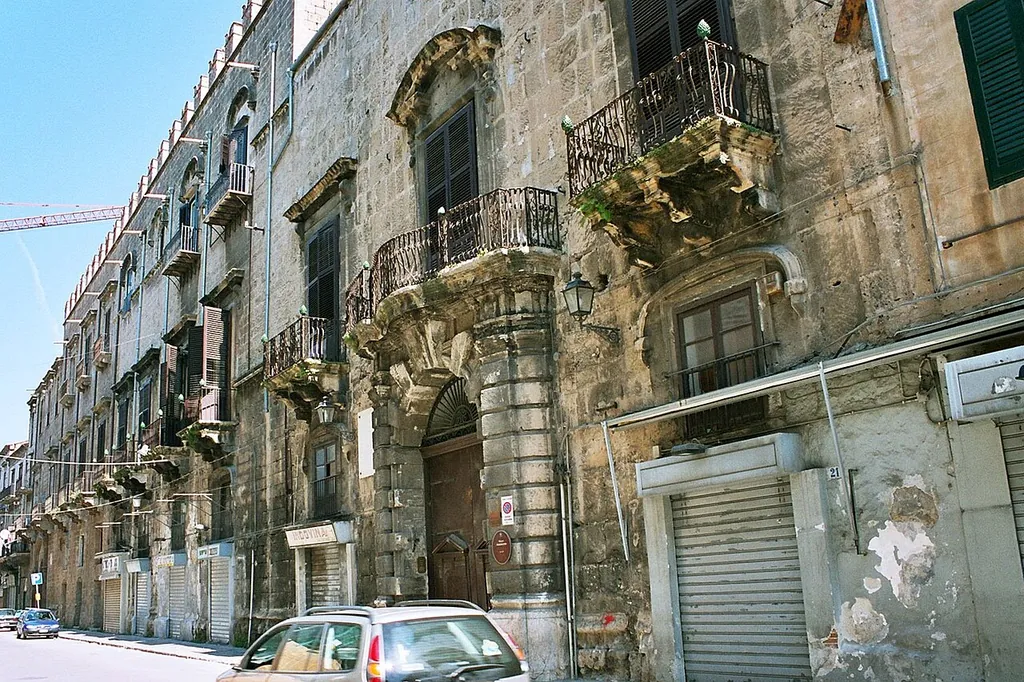
15th-century palace in Palermo, a national monument, with a hall with a painted ceiling, a loggia and a terrace; part of it belongs to the Sicilian Region.
Have only individual sections read aloud
About the museum
Palazzo Ajutamicristo was built between 1495 and 1501 for Guglielmo Ajutamicristo, baron of Misilmeri and Calatafimi, a banker of Pisan origin who grew rich through trade in Sicilian cheeses and cereals. The project was entrusted to Matteo Carnilivari, also the author of Palazzo Abatellis, but because of the excessive expense the building was carried out only in part and with changes to the original plans.
During the 16th century the palace hosted distinguished figures, among them Queen Giovanna in 1500, the Emperor Carlo V in 1535 and Don Giovanni d’Austria in 1576. In 1588 it passed to the Moncada, princes of Paternò; in the 19th century it was sold to the Calefati di Canalotti and Tasca d’Almerita families.
Today one part still belongs to the Calefati family, while the other half has been bought by the Sicilian Region. The building is a national monument and belongs to the Associazione Dimore Storiche Italiane (Italian Historic Houses Association); among its most significant spaces are the hall, with the ceiling painted by Giuseppe Crestadoro, and the 15th-century loggia overlooking the courtyards.
Highlights
- Hall with ceiling painted by Giuseppe Crestadoro (The Glory of the Virtuous Prince)
- 15th-century loggia
- Flowering terrace known as the Cortile del Petrosino
- Palace designed by Matteo Carnilivari
- Operated by
- Famiglia Calefati di Canalotti e Regione Siciliana
- Visitors per year
- approx. 2,900
Admission & discounts
The museum hasn’t published any information on this.
Accessibility
- Wheelchair accessible: no information
- Elevator: no information
- Accessible restroom: no information
- Accessible parking: no information
- Service dogs welcome: no information
- Tactile models & exhibits: no information
- Sign language tours: no information
- Easy-to-read materials: no information
- Audio description: no information
One regional guide indicates the presence of access for people with disabilities and of a garden.
Kids & families
The museum hasn’t published any information on this.
Getting there & parking
The museum hasn’t published any information on this.
Amenities & dining
The museum hasn’t published any information on this.
Events & venue rental
The museum hasn’t published any information on this.