Parco archeologico di Cuma
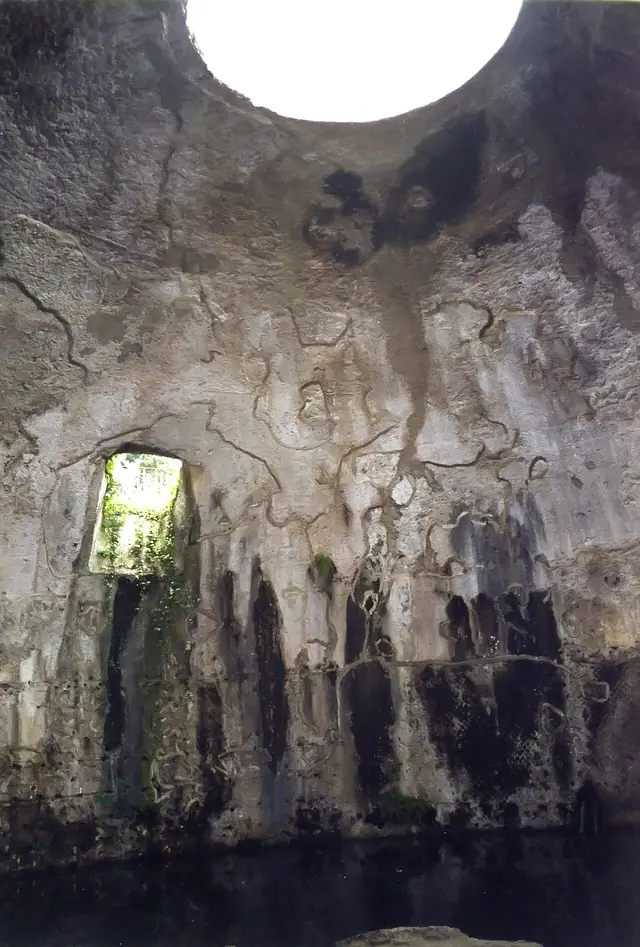
Archaeological site of ancient Cuma, the first Greek colony in the West, with the acropolis, the temples of Jupiter and Apollo and the Antro della Sibilla.
Have only individual sections read aloud
About the museum
Cuma was the oldest Greek colony on the Italian mainland. According to tradition it was founded around 730 BC by settlers from Chalcis, who destroyed a small existing village and built the new city on a promontory with steep sides that was easy to defend. The area had, however, already been inhabited since the Early Iron Age, as shown by the necropolises with grave goods from that period. The city developed rapidly thanks to trade with Latium and Campania, controlled the Gulf of Naples and founded sub-colonies at Baia, Pozzuoli, Naples, Miseno and Capri.
Cuma defeated the Etruscans in two battles, in 524 and 474 BC, but then fell into internal political crisis; in 421 BC it passed to the Samnites, and in 338 BC to the Romans. The slow decline continued under Roman rule, despite the opening of the Via Domiziana in AD 95; in the Christian era the temples of the acropolis were turned into basilicas, and the temple of Jupiter became the cathedral of the diocese. After the Ostrogothic, Byzantine, Lombard and Saracen rule, the city's history came to an end in 1207 with its destruction by the Neapolitan armies.
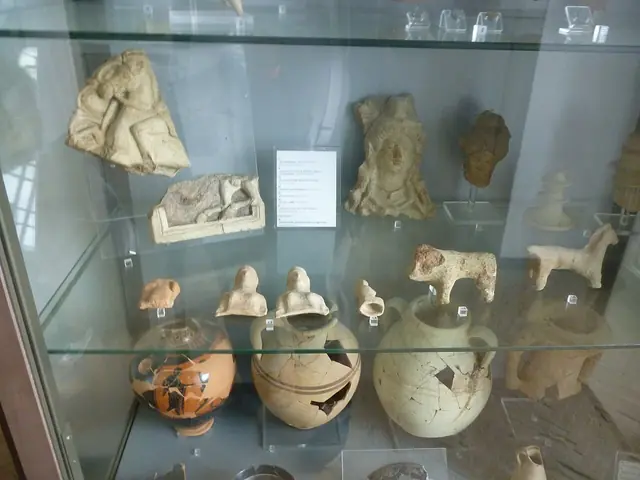
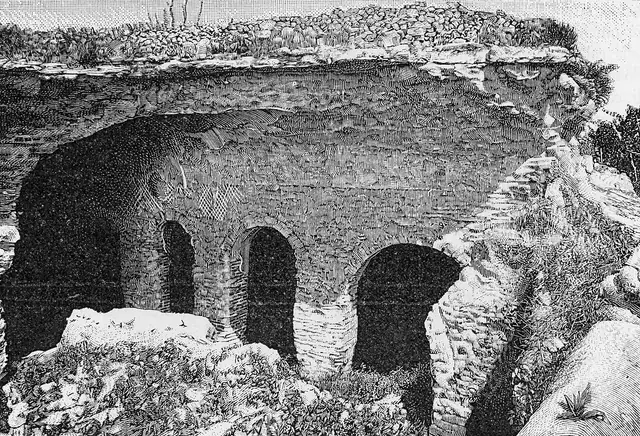
Excavations, begun in 1606 and carried out systematically from 1852, have uncovered the acropolis with the temples of Jupiter and Apollo and the Antro della Sibilla, the Roman crypt and parts of the lower city. The park is part of the Parco archeologico dei Campi Flegrei; many finds are kept in the Museo archeologico nazionale di Napoli and the Museo archeologico dei Campi Flegrei.
Highlights
- Acropolis of Cuma with the temples of Jupiter and Apollo
- Antro della Sibilla
- Roman crypt
- Remains of the lower city and necropolises
- Finds in the nearby Museo archeologico dei Campi Flegrei
Permanent exhibition
- Acropoli e Antro della Sibilla – Archaeological route through ancient Cuma, with the acropolis, the temples of Jupiter and Apollo, the Antro della Sibilla and the Roman crypt.
- Operated by
- Parco archeologico dei Campi Flegrei
- Visitors per year
- approx. 65,985
Admission & discounts
Free admission: Free admission on the first Sunday of the month, as at state cultural sites.
According to the Musei Italiani listing, the combined ticket “Circuito Flegreo” is available, which also covers the Museo archeologico dei Campi Flegrei, the Parco archeologico di Baia and the Anfiteatro Flavio (€10, reduced €5, valid for three days); current prices should be checked on the park's website. The price of admission to Cuma alone was not found.
Accessibility
The museum hasn’t published any information on this.
Kids & families
The museum hasn’t published any information on this.
Getting there & parking
The museum hasn’t published any information on this.
Amenities & dining
The museum hasn’t published any information on this.
Events & venue rental
The museum hasn’t published any information on this.
Plan your visit
| Guided tours | yes |
|---|---|
| Good to know | Guided tours are available. |