Parco minerario Floristella-Grottacalda
Large industrial archaeology park of about 400 hectares, with the sulphur mines of Floristella, Gallizzi and Grottacalda and Palazzo Pennisi.
Have only individual sections read aloud
About the museum
The mining park extends over about 400 hectares in the Enna hinterland, between Enna, Piazza Armerina and Valguarnera Caropepe, over a vast sulphur basin that includes the mines of Floristella, Gallizzi and Grottacalda. It is considered one of the most significant examples of industrial archaeology in southern Italy and has been a regional park managed by a dedicated body since 1991.
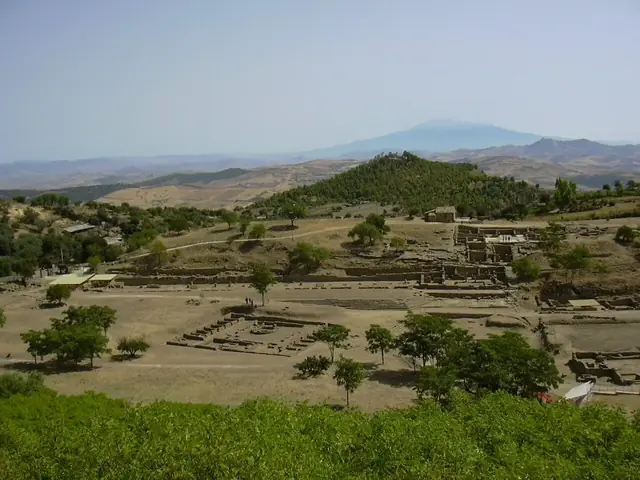
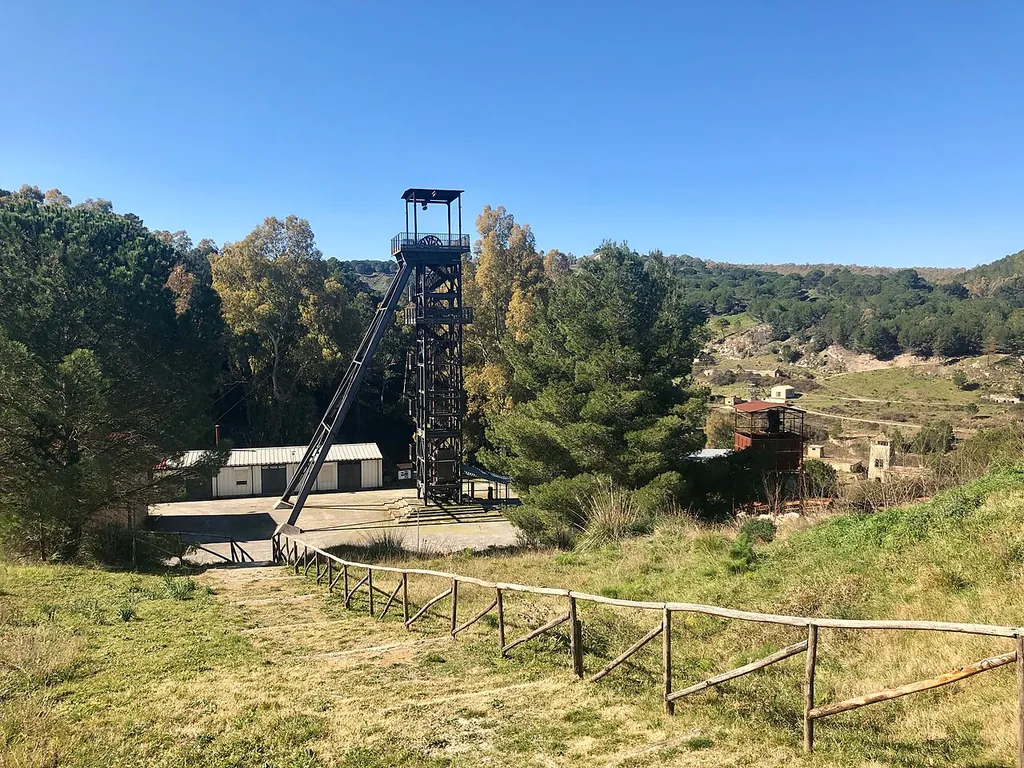
In the innermost areas, in the woods of the locality of Gallizzi, lie the oldest extraction sites: numerous openings of semi-vertical galleries, known as discenderie, dug by hand during activity that began in the 18th century and continued until the late 19th century, when they were gradually replaced by vertical shafts. In the Floristella area the shaft headframes, winding rooms, calcaroni (sulphur kilns) and Gill furnaces used for smelting sulphur remain; at Grottacalda the remains of the housing blocks, workshops and sheds can be seen. The mining landscapes recall the extremely hard work of the miners and of the carusi, boys and children employed to carry the ore.
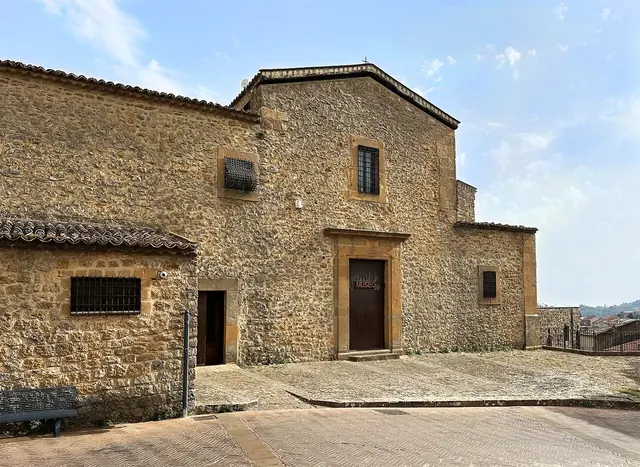
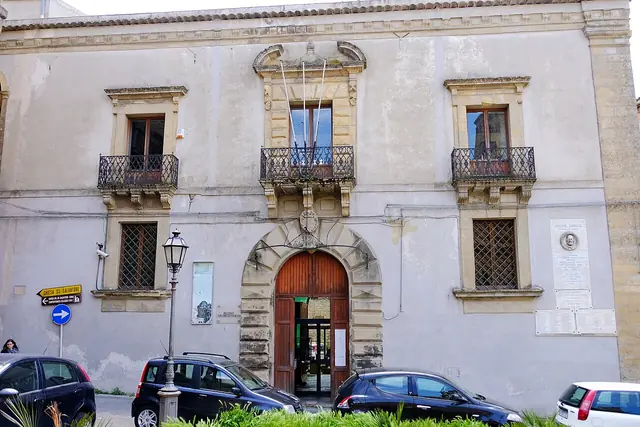
On the flank of the Floristella valley, Palazzo Pennisi dominates in a panoramic position; it was once the residence of the family that owned the mines and is intended to house the future Museo della Civiltà Mineraria. The park has been included among the candidates for UNESCO recognition.
Highlights
- Shafts, headframes and winding rooms of the Floristella mine
- Calcaroni and Gill furnaces for smelting sulphur
- Discenderie from the 18th century in the Gallizzi woods
- Palazzo Pennisi, former residence of the mine owners
- Hiking trails, including a 7.95 km loop
Permanent exhibition
- Percorso nel parco minerario – The route covers two areas: the area of the three shafts with Palazzo Pennisi, and the part of the Gallizzi locality with the 18th-century discenderie.
- Founded
- 1991
- Operated by
- Ente Parco minerario Floristella-Grottacalda
- Visitors per year
- approx. 3,000
Admission & discounts
Admission is free.
| Groups | –Booking for groups is free of charge. |
|---|
Admission to the park is currently free; guided tours are also free.
Accessibility
- Wheelchair accessible: not available
- Elevator: no information
- Accessible restroom: no information
- Accessible parking: no information
- Service dogs welcome: no information
- Tactile models & exhibits: no information
- Sign language tours: no information
- Easy-to-read materials: no information
- Audio description: no information
The route is entirely on foot, on rather rough paths, and is not well suited to elderly people or those with mobility difficulties.
Kids & families
Great for kids & families
- Family tours & workshops
The park offers educational walks for schools and families dedicated to sulphur, geology and the history of extraction.
Getting there & parking
The main entrance is in the locality of Floristella, a few kilometres from Valguarnera Caropepe, and is reached by following the provincial road no. 4.
Get directionsAmenities & dining
Equipped areas for stopping and breakfast are available near the entrance. The nearby former Grottacalda mine has catering services.
Events & venue rental
The museum hasn’t published any information on this.
Plan your visit
| Guided tours | yes |
|---|---|
| Audio guide | yes |
| School programs | yes |
| Good to know | The visit lasts on average 2–3 hours. It begins with an introductory documentary, in Italian or English, followed by an outdoor walk along the trails to the main finds. Individual visitors can use audio-video guides on tablets with a GPS map free of charge, collected at the offices; groups (schools, universities, associations) book by email at info@enteparcofloristella.it. For understanding the finds, the presence of a specialist guide is recommended. |