Villa di Livia
Archaeological area of Livia's imperial villa, with frescoed rooms, a bath complex and an Antiquarium; currently closed for restoration.
Have only individual sections read aloud
About the museum
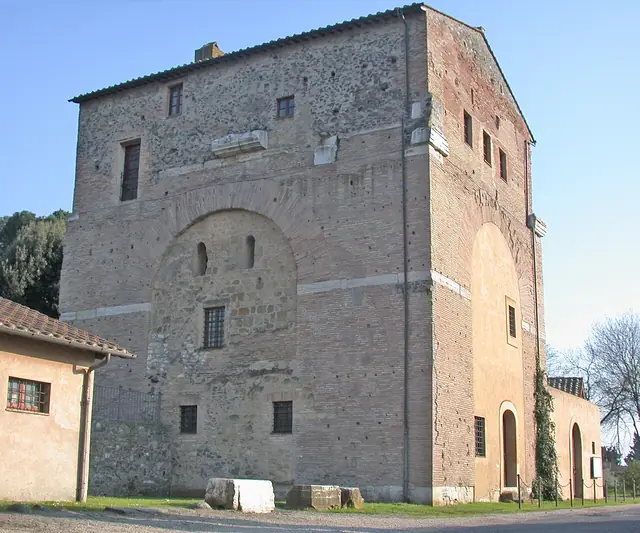
The Villa di Livia, called “ad gallinas albas” in the ancient sources, takes its name from an episode told by Pliny: while Livia, the wife of Augustus, was on her way to her estates, an eagle dropped into her lap a snow-white hen holding a sprig of laurel in its beak. The soothsayers ordered the animal to be raised and the sprig to be planted, and from it a small grove grew. The villa stands on the ninth milestone of the Via Flaminia and overlooks the Tiber valley.
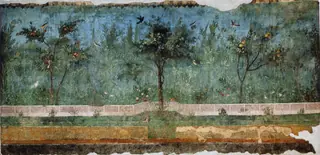
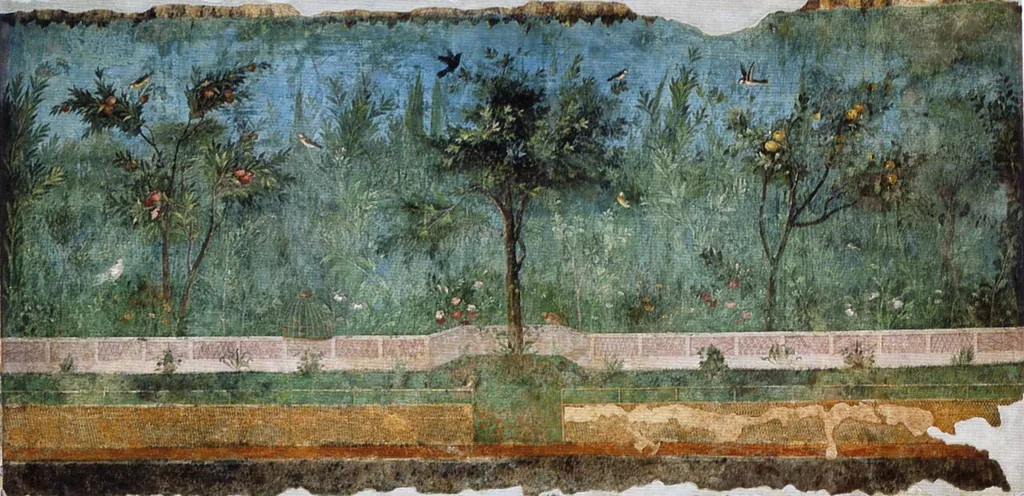
The large substructure walls, always visible, exposed the complex to repeated plundering after the end of the empire. In 1863 some poorly documented explorations led to the discovery of the statue of Augustus in cuirass (Augusto loricato), today in the Vatican Museums, and of a semi-subterranean room with famous garden paintings. The frescoes were detached in 1951 and transferred to the Museo Nazionale Romano, where they are now displayed at Palazzo Massimo alle Terme.
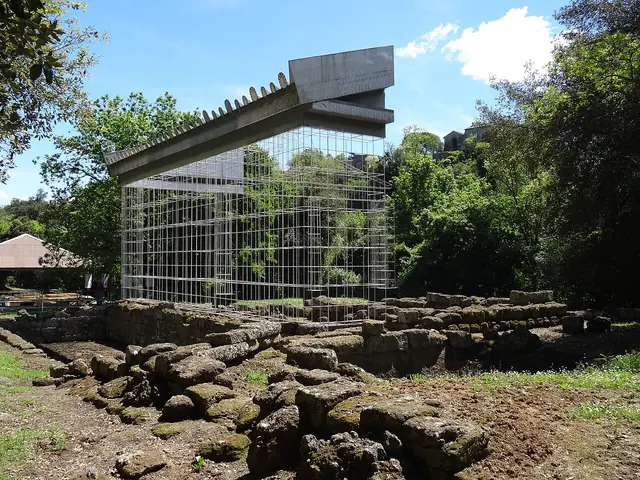
On the site, acquired by the State, the Rome Archaeological Superintendency has been carrying out investigations since 1982. Excavations have uncovered most of the structures: the private area with an atrium and a small inner garden; the reception area with large frescoed rooms, paved with mosaics and opus sectile around the peristyle; a large bath complex with two piscinae calidae and a natatio; and a large colonnaded terrace with a garden. The most significant finds are displayed in the Antiquarium near the entrance to the site.
Highlights
- Reception rooms with mosaic and opus sectile floors
- Bath complex with piscinae calidae and natatio
- Colonnaded terrace with garden
- Antiquarium with the most significant finds
- Find spot of the statue of Augustus in cuirass and of the garden paintings
- Operated by
- Ministero della Cultura – Soprintendenza Speciale Archeologia Belle Arti e Paesaggio di Roma
Admission & discounts
The archaeological area is closed for restoration works; no reopening date is given.
Accessibility
The archaeological area is closed for restoration works; no reopening date is given.
Kids & families
The archaeological area is closed for restoration works; no reopening date is given.
Getting there & parking
The archaeological area is closed for restoration works; no reopening date is given.
Amenities & dining
The archaeological area is closed for restoration works; no reopening date is given.
Events & venue rental
The archaeological area is closed for restoration works; no reopening date is given.