The focus is on the Japanese officer's sword of the Second World War, which embodied samurai honour and military authority. The show demonstrates how tradition, ideology and war came together in this one weapon.
Photographs from albums of Indian families show a colonial world that was neither Indonesian nor Dutch. The archive, donated to the museum in 2024, now forms part of the collection.
About the museum
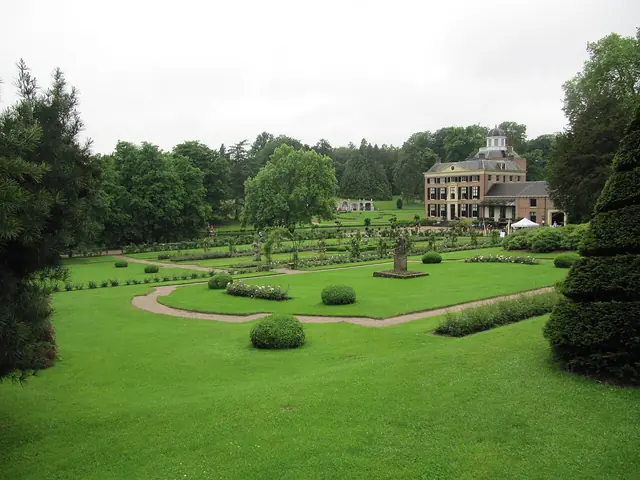
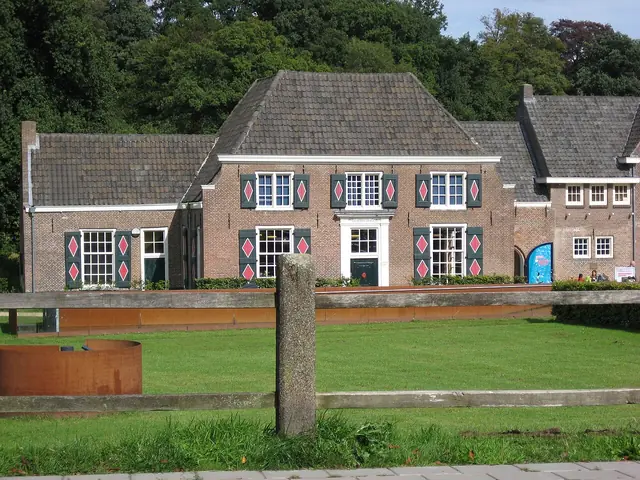
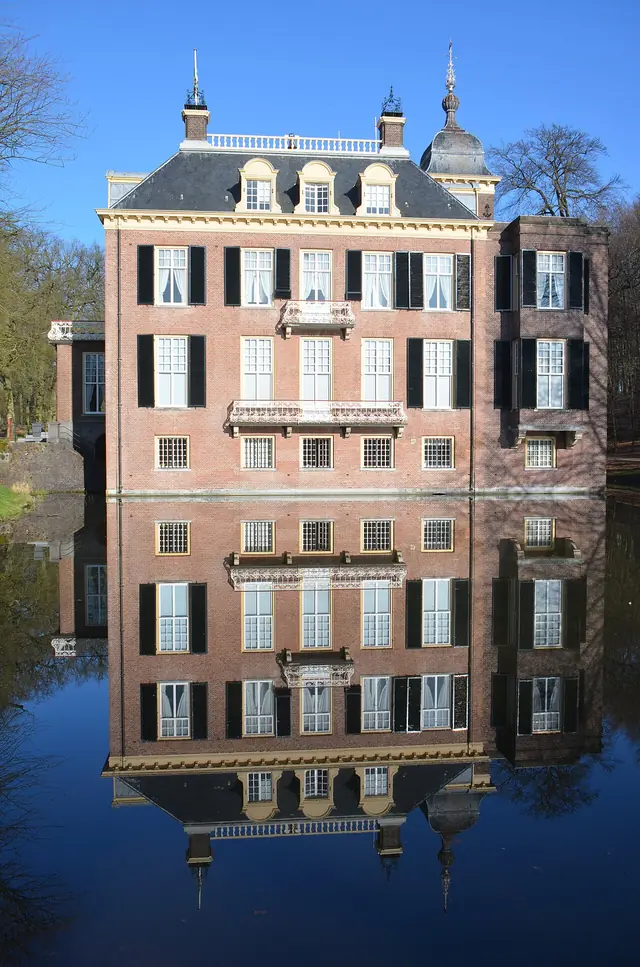
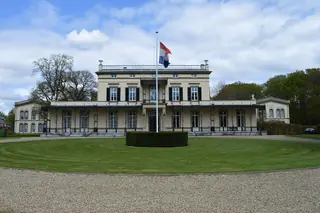
At the start of the 19th century Bronbeek was a buitenplaats, a country estate that wealthy citizens had laid out as a summer residence. King Willem III, the last private owner, donated the estate to the Dutch state in 1859, on condition that a home for retired soldiers of the colonial army be set up there. To plans by the architect Nicolaas Willem Rose, a building that was modern and functional for its time was constructed and opened in 1863: the Koninklijk Tehuis voor Oud-Militairen with a museum. Veterans of all branches of the armed forces and of the former Royal Netherlands East Indies Army (KNIL) still live there today.
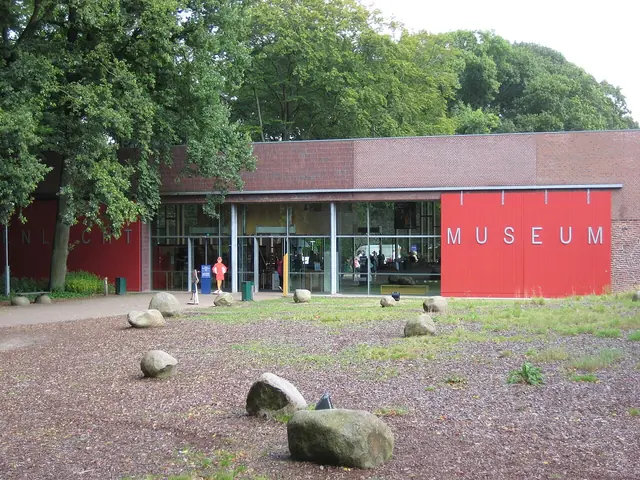
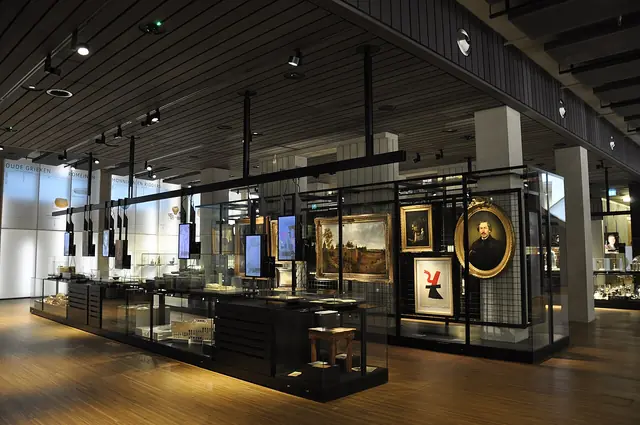
The museum sees itself as a knowledge institute for the colonial and military past of the Kingdom. In six halls on the upper floor, the permanent exhibition tells of the rise and decline of the Netherlands as a colonial power in Asia: from conquest and administration through everyday life in a multicultural but unequal society to the struggle for independence and its aftermath. It closes with how Indonesia and the Netherlands look at this shared history today. Personal stories, objects, photos and videos provide the way in; on the ground floor the museum shows changing exhibitions.
The estate itself is freely accessible every day. The residents’ former kitchen garden has become a park with numerous monuments added since the 1980s; many commemorations of the period of the Japanese occupation of Southeast Asia take place here. The grounds also include the Kumpulan, a conference venue with an Indonesian restaurant.
Permanent exhibition
Vaste tentoonstelling over de koloniale geschiedenis van Indonesië 1816–1962 – Six halls on the upper floor tell of conquest, colonial society, the struggle for independence and how the shared heritage is dealt with today.
Founded
1863
Operated by
Ministerie van Defensie (Koninklijk Tehuis voor Oud-Militairen en Museum Bronbeek)
Admission & discounts
Adults
€10
Reduced
€5CJP card
Children & teens
€5free up to age 5 · Children aged 6 to 17: €5
Groups
–Groups pay admission per person; a guided tour costs an extra €25 per group.
Guided tour (per group)
€25In addition to admission per person; maximum 15 people per tour
Free with Museumkaart, ICOM card, Veteranenpas, Defensiepas and Reservistenpas, and with the “Vrienden van Bronbeek” donor card. The estate is free of charge.
The museum, the home and the Kumpulan café-restaurant are accessible for wheelchairs and rollators; there is a lift, disabled parking and accessible toilets. Only assistance dogs are allowed on the estate.
Kids & families
Great for kids & families
Kids’ admission
free up to age 5
Activity booklet, scavenger hunt or kids’ audio guide
The museum treasure hunt with the mouse deer Kantjil is for children aged 9 and up; for younger children there are free picture searches, colouring sheets and activities at the reception. For school classes the museum offers its own programmes for primary and secondary schools.
Getting there & parking
By public transit
Bronbeek
Bus 303 (stop Bronbeek) or bus 29 (stop Vondellaan); by train to Arnhem Presikhaaf, then about a 15-minute walk.
Café Batavia with museum shop on the ground floor; on the grounds, the Indonesian specialty restaurant Kumpulan with a conservatory and terrace (reservation required on +31 26 364 92 94). Food and drink are not allowed in the exhibition; bags larger than A4 and umbrellas go in the lockers.
Events & venue rental
Spaces for rent
Corporate events
The Kumpulan on the estate offers conference and meeting rooms with a restaurant, conservatory and terrace.
Guided tours for groups (museum, estate or both; Dutch, English, German, Indonesian) with registration at least three weeks in advance; museum 75 minutes, combined tour 105 minutes. The audio tour leads you at your own pace to ten stops across the estate; the leaflet is free at the reception (playback via QR code on your own phone). Animals are not allowed in the museum.