Museum Kinderdorp Neerbosch
Museum in the Weezenkapel in Neerbosch about the Protestant orphan village founded in 1863 and the history of youth welfare in the Netherlands.
Have only individual sections read aloud
About the museum
The museum tells the story of the Kinderdorp Neerbosch on the edge of Nijmegen. In 1863, 27-year-old Bible seller and evangelist Johannes van ’t Lindenhout opened an orphanage in an old inn in Nijmegen with the help of wealthy friends. By 1866 it was already too small, and on land donated near Neerbosch a self-sufficient village took shape, where nearly a thousand orphans lived in 1893. The children built the buildings themselves with their masters and learned trades such as clog making, tailoring, printing, shoemaking, bricklaying, painting, or furniture making; the girls were trained as domestic servants.
The village changed with the 1905 child labor laws (the Kinderwetten), the reform of youth welfare following the 1950 Koekebakker report, and the shift to smaller residential groups. Between 1863 and 2000, around 20,000 children lived in Neerbosch.
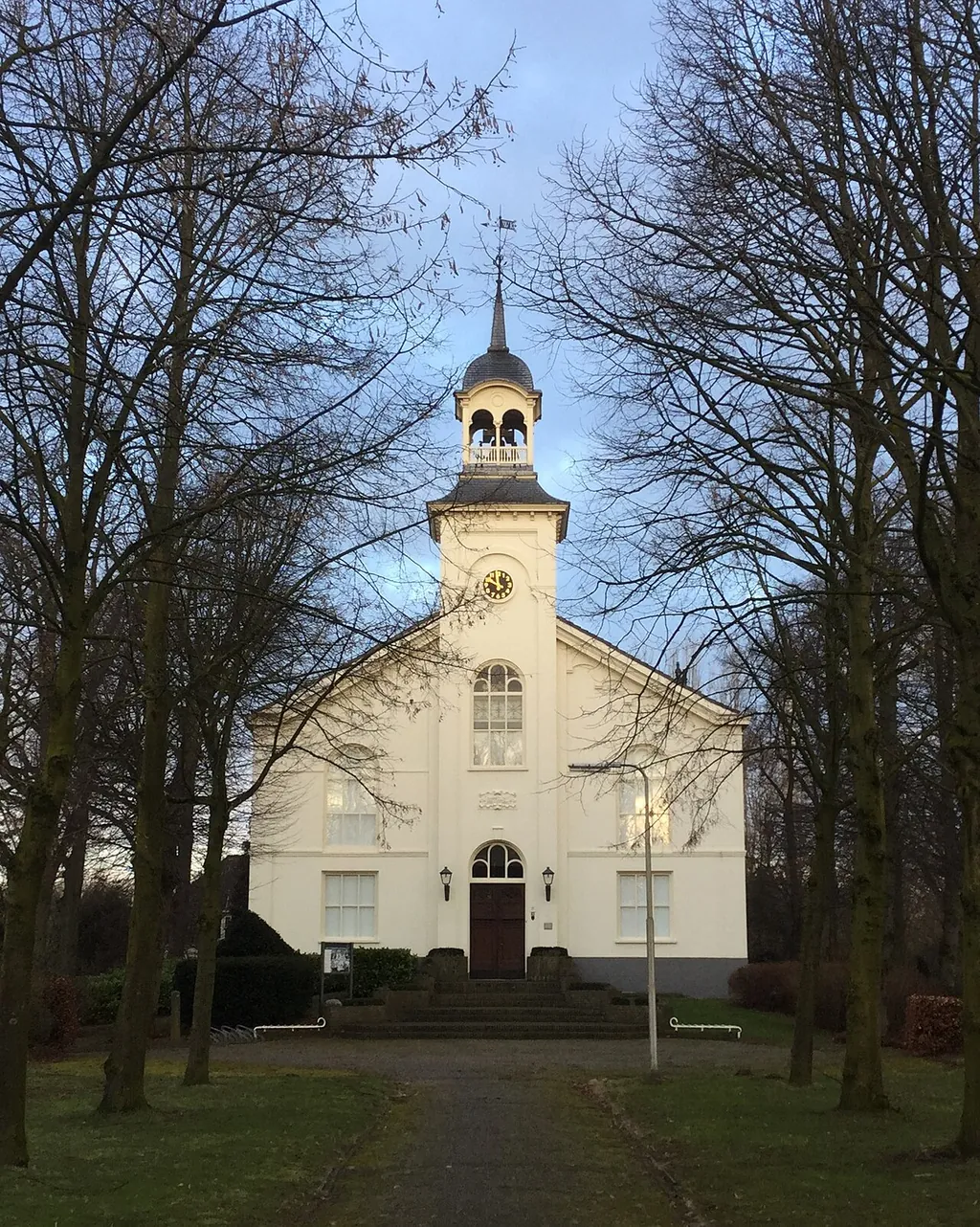
The museum began in 1962 in a catechism room behind the church, opened in 1984 in the former tailor's shop, and in 1999 moved into the Weezenkapel of 1882, which the children had built. After a renovation in 2023/24, it reopened in October 2024 under the name Museum Kinderdorp Neerbosch; before that, it was called the Van ’t Lindenhoutmuseum. On display are life stories of former residents, a large model of the village around 1962, art and everyday objects, tools, and trousseau chests. An archive with around 7,000 children's files allows former residents to view their own records.
Highlights
- Life stories of 20,000 children from the former orphan village
- Large model of the children's village around 1962
- Weezenkapel from 1882, built by the children themselves
- Tools from the training workshops and personal trousseau chests
- Family trail and hands-on activities for children
Permanent exhibition
- Kinderdorf Neerbosch 1863–2000 – Life stories of former residents, a model of the village, art and everyday objects, and tools from the training workshops in the Weezenkapel.
- Founded
- 1962
- Operated by
- Ds G. Boerstichting
- Director
- Esther Bánki
Admission & discounts
| Adults | €9 |
|---|---|
| Children & teens | €5Children up to and including age 18: €5 |
| Groups | –Guided tours for groups by request |
Museumkaart accepted.
Accessibility
- Wheelchair accessible
- Elevator: no information
- Accessible restroom: no information
- Accessible parking: no information
- Service dogs welcome: no information
- Tactile models & exhibits: no information
- Sign language tours: no information
- Easy-to-read materials: no information
- Audio description: no information
According to the website, the museum is fully accessible to wheelchair users.
Kids & families
Great for kids & families
- Family tours & workshops
- Activity booklet, scavenger hunt or kids’ audio guide
- Hands-on stations
On the “Familiespoor” (family trail), families follow a path of tasks and can help out as, for example, printers, gardeners, clog makers, bakers, or maids. Other activities include a riddle hunt, building, printing, silver polishing, and a garden game.
Getting there & parking
By public transit
Connections via 9292.nl.
By car
Free parking
Ample free parking at the museum.
Address: Scherpenkampweg 58, 6545 AL Nijmegen.
Get directionsAmenities & dining
The museum hasn’t published any information on this.
Events & venue rental
The museum hasn’t published any information on this.
Plan your visit
| Guided tours | yes · approx. 1.5 hrs |
|---|---|
| School programs | yes |
| Good to know | Group tours (about 1.5 hours) covering the collection, the buildings, and the surroundings are available by request via email or phone. Educational programs for primary schools (groups 1–2, 3, 6, and 7–8) include preparation and follow-up in class, at €3.50 per pupil. Former residents can view their personal file, and the Oud-Weezendag (former residents' day) takes place regularly. |