Lepramuseet St. Jørgens Hospital
Authentic 18th-century hospital setting in Bergen that tells of leprosy, its victims and the discovery of the leprosy bacillus.
Have only individual sections read aloud
About the museum
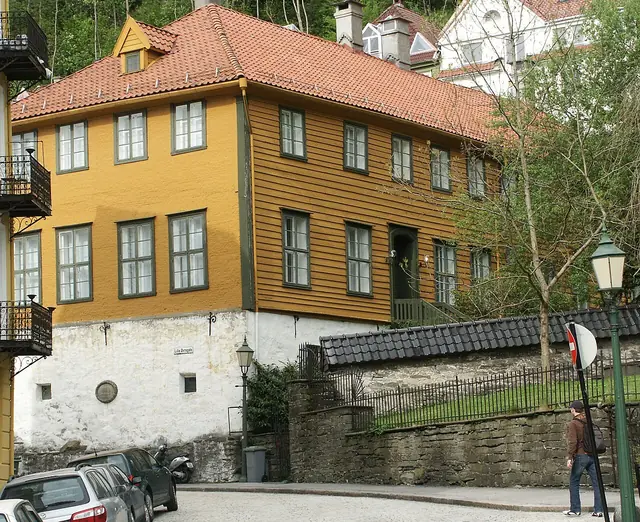
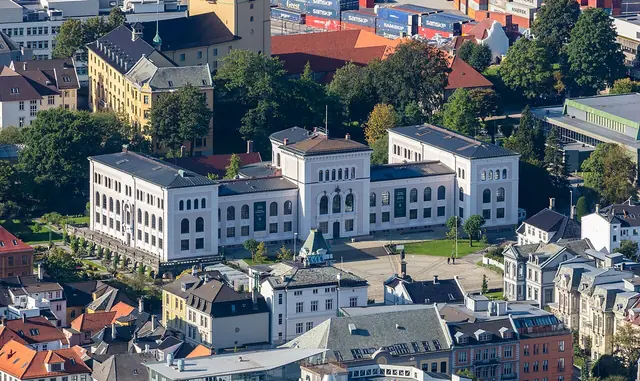
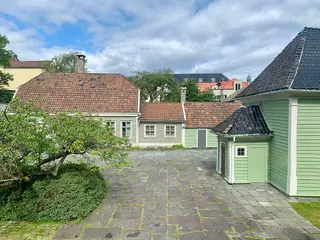
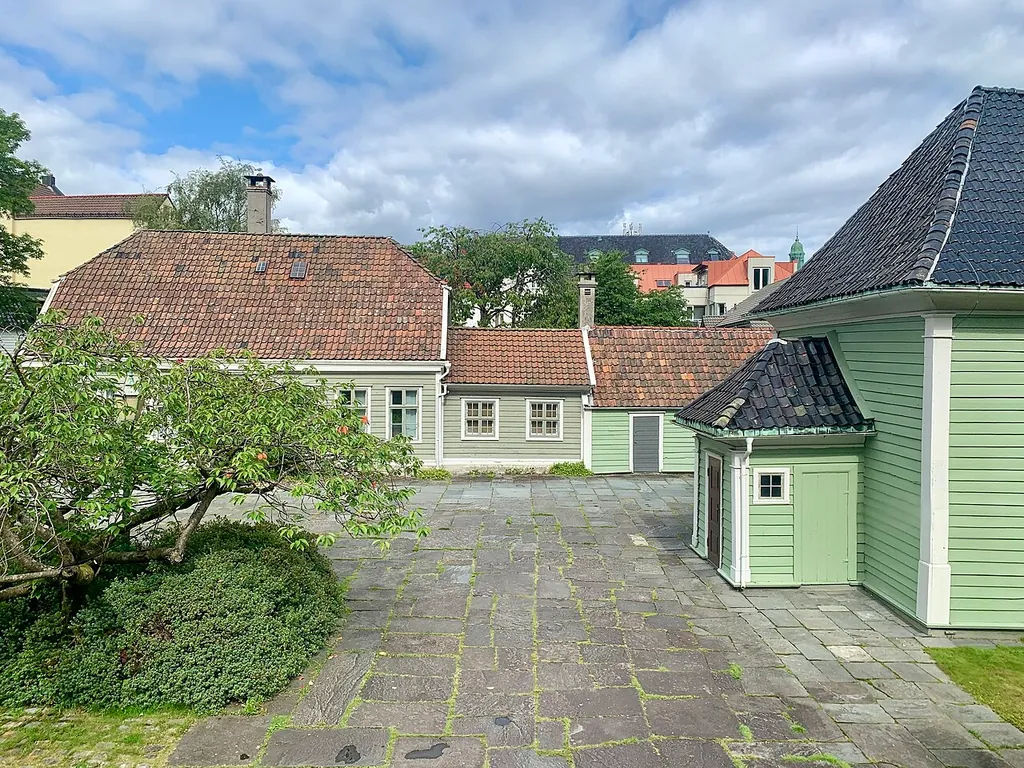
St. Jørgens Hospital has stood in Bergen since the early 15th century. After several major town fires nothing remains of the medieval hospital, but the buildings standing here today are protected and form a well-preserved 18th-century hospital ensemble. The church and the main building with bedrooms and kitchen have to a large extent remained unchanged since the last two residents died in 1946, after living here for more than 50 years.
Bergen is a central place in the history of leprosy. In 1873 the Bergen physician Gerhard Armauer Hansen identified the leprosy bacillus, an international breakthrough for leprosy research and for medicine in general. In many countries the disease is therefore called Hansen’s disease. A large-scale effort in research and health work put Bergen on the world map.
The hospital’s archives are part of the Leprosy Archives in Bergen, which are on UNESCO’s Memory of the World programme. The museum shows the permanent exhibition in the main building and tells individual stories through printed sources and archive material. It also addresses how illness leads to social isolation and stigmatisation, which remains a challenge wherever the disease is widespread.
In 2023, 150 years since the leprosy bacterium was discovered were marked with an exhibition that can still be visited. The museum is run by Bymuseet i Bergen, and visitors can walk around on their own or join a guided tour. The museum also has a herb garden, which is open during opening hours.
Highlights
- Main building with bedrooms and kitchen, almost unchanged since 1946
- The hospital church and the protected 18th-century buildings
- The exhibition on the discovery of the leprosy bacillus in 1873
- The Leprosy Archives on UNESCO’s Memory of the World register
- Herb garden open during opening hours
Permanent exhibitions
- Fast utstilling i hovedbygningen – The exhibition tells of leprosy in Norway, life at the hospital and the research that put Bergen on the world map.
- Oppdagelsen av leprabakterien 150 år – The exhibition from 2023 shows how Armauer Hansen discovered the leprosy bacterium in Bergen in 1873, and the conditions and challenges of that work.
- Founded
- 1856
- Operated by
- Stiftelsen Bymuseet i Bergen
Admission & discounts
| Adults | NOK 170 |
|---|---|
| Reduced | NOK 85Students |
| Children & teens | freefree up to age 17 · Children aged 0–17 enter free of charge. Children under 14 must be accompanied by an adult. |
| Visitors with disabilities | freecompanion free · A companion with a companion card enters free of charge. |
| Students & apprentices | NOK 85 |
| Groups (15+ people) | –20% discount for groups of 15 people or more. Separate prices for groups outside ordinary opening hours. |
Members of Bymuseet and holders of a volunteer card (frivillighetskort) enter free of charge. BT Fordel gives 25 per cent off for up to two adults (NOK 130). The museum is not part of the Bergenskortet.
Accessibility
- Partially wheelchair accessible
- Elevator: no information
- Accessible restroom: no information
- Accessible parking: no information
- Service dogs welcome: no information
- Tactile models & exhibits: no information
- Sign language tours: no information
- Easy-to-read materials: no information
- Audio description: no information
Parts of the museum are adapted for wheelchair users.
Kids & families
Only partly suitable for kids
| Kids’ admission | free up to age 17 |
|---|
The museum suits adults and older children or young people accompanied by an adult.
Getting there & parking
The museum is a three-minute walk from the railway station.
Get directionsAmenities & dining
- Café: not available
- Restaurant: not available
The museum has no catering. Barbecuing and open fire are prohibited in the garden and the courtyard.
Events & venue rental
The museum hasn’t published any information on this.
Plan your visit
| Guided tours | yes |
|---|---|
| School programs | yes |
| Good to know | Guided tours in Norwegian and English. An exhibition guide is available in English, German, French, Spanish, Italian, Dutch, Polish, Japanese and Chinese. Visitors can also walk through the permanent exhibition on their own. |