Muzeum Archidiecezjalne Kardynała Karola Wojtyły w Krakowie
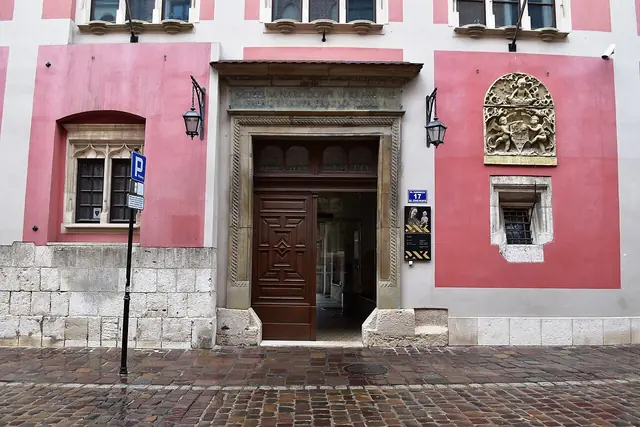
Museum of sacred art in the townhouses at ul. Kanonicza, where Karol Wojtyła lived, with the largest collection of memorabilia of him.
Have only individual sections read aloud
About the museum
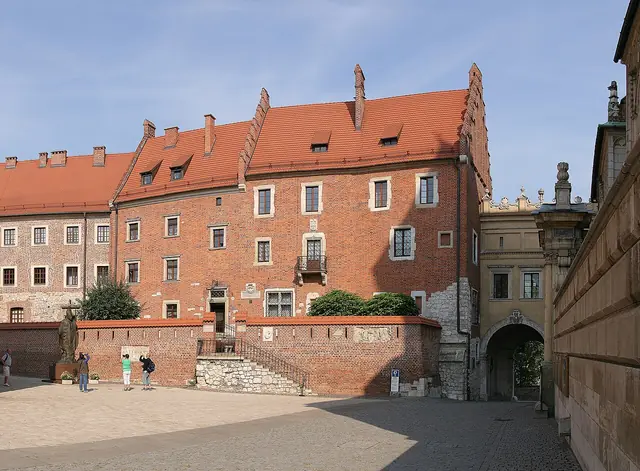
The origins of the museum, which takes care of the sacred art of Kraków and the surrounding area, are linked with the history of the Cathedral Museum at Wawel. In 1906 Cardinal Jan Puzyna founded the Diocesan Museum on Wawel Hill, and the division of the collections between the cathedral and the archdiocese remained unclear until after the Second World War. Archbishop Karol Wojtyła in 1965 stressed the need for a permanent exhibition, and in 1972 the Archdiocesan Museum of Religious Art was established, which however had no suitable seat.
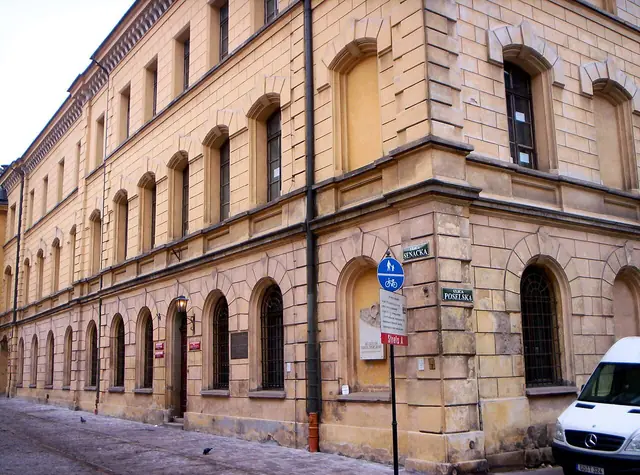
Ultimately Cardinal Franciszek Macharski, by decree of 1993, established a new Archdiocesan Museum and assigned it the townhouses at ul. Kanonicza 19–21 as its seat. The museum opened on 5 May 1994, and since 2005 it has borne the name of Cardinal Karol Wojtyła, who lived in these houses for almost sixteen years: first as a priest at Kanonicza 19, and later as bishop and archbishop at Kanonicza 21.
The collections include more than 400 mementoes connected with Karol Wojtyła, from personal belongings and liturgical vestments to a kayak, skis and documents, as well as a furnished room of Father Wojtyła with the original desk. The museum also presents medieval and early modern painting, sculpture and artistic crafts from the churches of the archdiocese, mementoes of Kraków bishops and the largest collection of paintings by Fryderyk Pautsch, donated to John Paul II in 2002.
Highlights
- The largest collection of memorabilia of Karol Wojtyła, more than 400 exhibits
- Furnished room of Father Karol Wojtyła in his former flat
- The Dębno panel from the second half of the 13th century and other works of sacred art from the 13th century on
- The largest collection of paintings by Fryderyk Pautsch
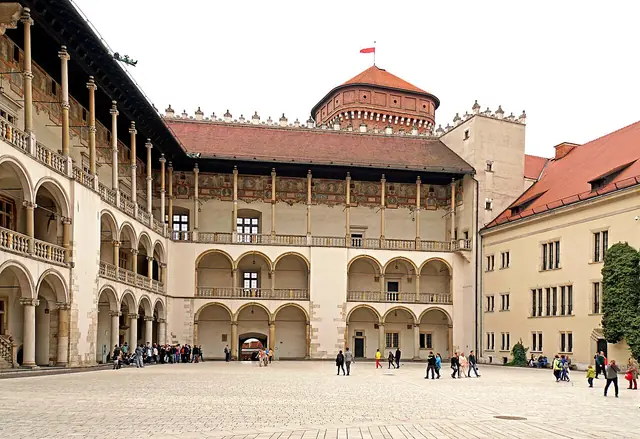
- Historic canons' townhouses with Renaissance arcades
- Branch at ul. Tyniecka 10, former flat of the Wojtyła family
Permanent exhibitions
- Zbiory Karola Wojtyły – More than 400 mementoes of Karol Wojtyła, including personal belongings, liturgical vestments, documents and a furnished room of Father Wojtyła.
- Sztuka sakralna – Painting, sculpture and artistic crafts from the churches of the Kraków archdiocese, from the 13th century to the present day.
- Zbiór obrazów Fryderyka Pautscha – The largest collection of works by a painter of Young Poland (Młoda Polska), donated to John Paul II in 2002 and handed over to the museum.
- Founded
- 1994
- Operated by
- Archidiecezja Krakowska
Admission & discounts
| Adults | 10 zł |
|---|---|
| Reduced | 6 złpupils, students and doctoral students, people over 65, pensioners, disability pensioners, people with disabilities together with their carers, veterans, clergy, teachers, and holders of the Large Family Card |
| Children & teens | freefree up to age 6 · Children under 7 enter free of charge. |
| Seniors | 6 złReduced ticket for people over 65, pensioners and disability pensioners. |
| Visitors with disabilities | 6 złReduced ticket for a person with a disability together with a carer. |
| Students & apprentices | 6 zł |
| Groups (10+ people) | 6 zł per personPer person, for groups of 10 to 30 people (carers not included); group supervisors enter free of charge. |
| Families | 20 złFamily ticket for parents with children up to 18 years of age (up to 5 people, including 2 adults). |
| Combined ticket: Wawel Cathedral and Cathedral Museum, and the Archdiocesan Museum (standard) | 25 złReduced PLN 17; groups of more than 10 people PLN 22 (standard) and PLN 16 (reduced). |
| Guided tour in Polish (group) | 250 złBooking at least two days in advance by phone or email. |
| Guided tour in a foreign language (group) | 280 złBooking at least two days in advance by phone or email. |
Holders of the Kraków Tourist Card enter free of charge. Free admission also applies, among others, to museum staff, members of ICOM and ICOMOS, seminarians and nuns. The branch at ul. Tyniecka 10 is free of charge.
Accessibility
The museum hasn’t published any information on this.
Kids & families
The museum hasn’t published any information on this.
Getting there & parking
By public transit
Plac Wszystkich Świętych
Tram: stops Św. Gertrudy (lines 6, 8, 10, 18) and Plac Wszystkich Świętych (lines 1, 6, 8, 13, 18); stop Jubilat (tram lines 1, 2 and numerous bus lines).
By car
Paid parking
Underground car park at Plac na Groblach and paid parking spaces along ul. Bernardyńska.
Amenities & dining
The museum hasn’t published any information on this.
Events & venue rental
The museum hasn’t published any information on this.
Plan your visit
| Guided tours | yes |
|---|---|
| Good to know | Organised groups (10–50 people) that wish to use the museum's guide must register the visit and receive confirmation at least 24 hours in advance; the guide waits for the group for 20 minutes. Groups may also visit the exhibitions with an external guide. |