Museo de Bellas Artes de Córdoba
Art gallery in the former Hospital de la Caridad, with painting, sculpture, drawing and printmaking from Córdoba's art of the 14th to the 20th century.
Have only individual sections read aloud
About the museum
The Museo de Bellas Artes has its origins in the ecclesiastical disentailments of 1835 and 1868, which led a local commission to gather the paintings of the suppressed Córdoba convents. Its creation was recorded in a deed of 1843 and confirmed by royal order in 1844. After occupying several premises, in 1862 it moved to the former Hospital de la Caridad, beside the Plaza del Potro.
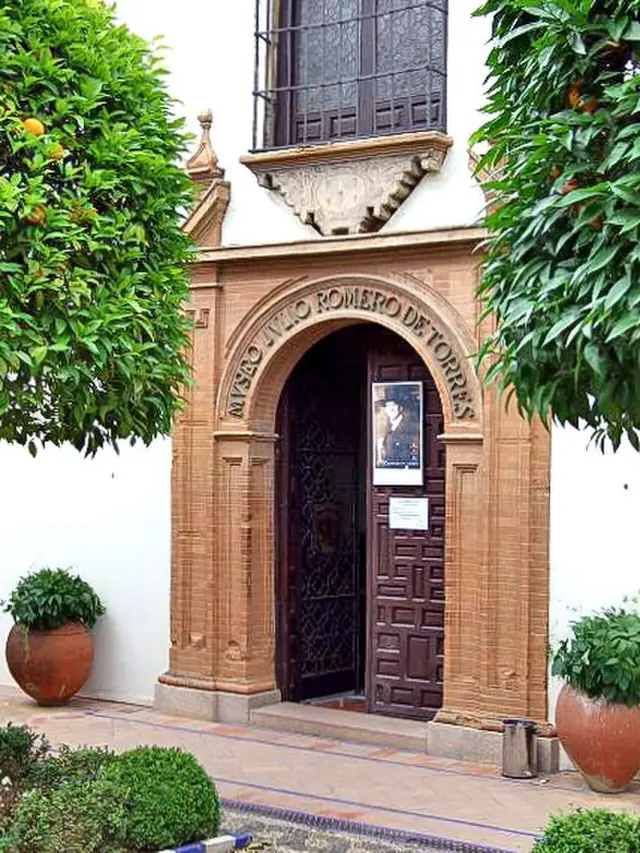
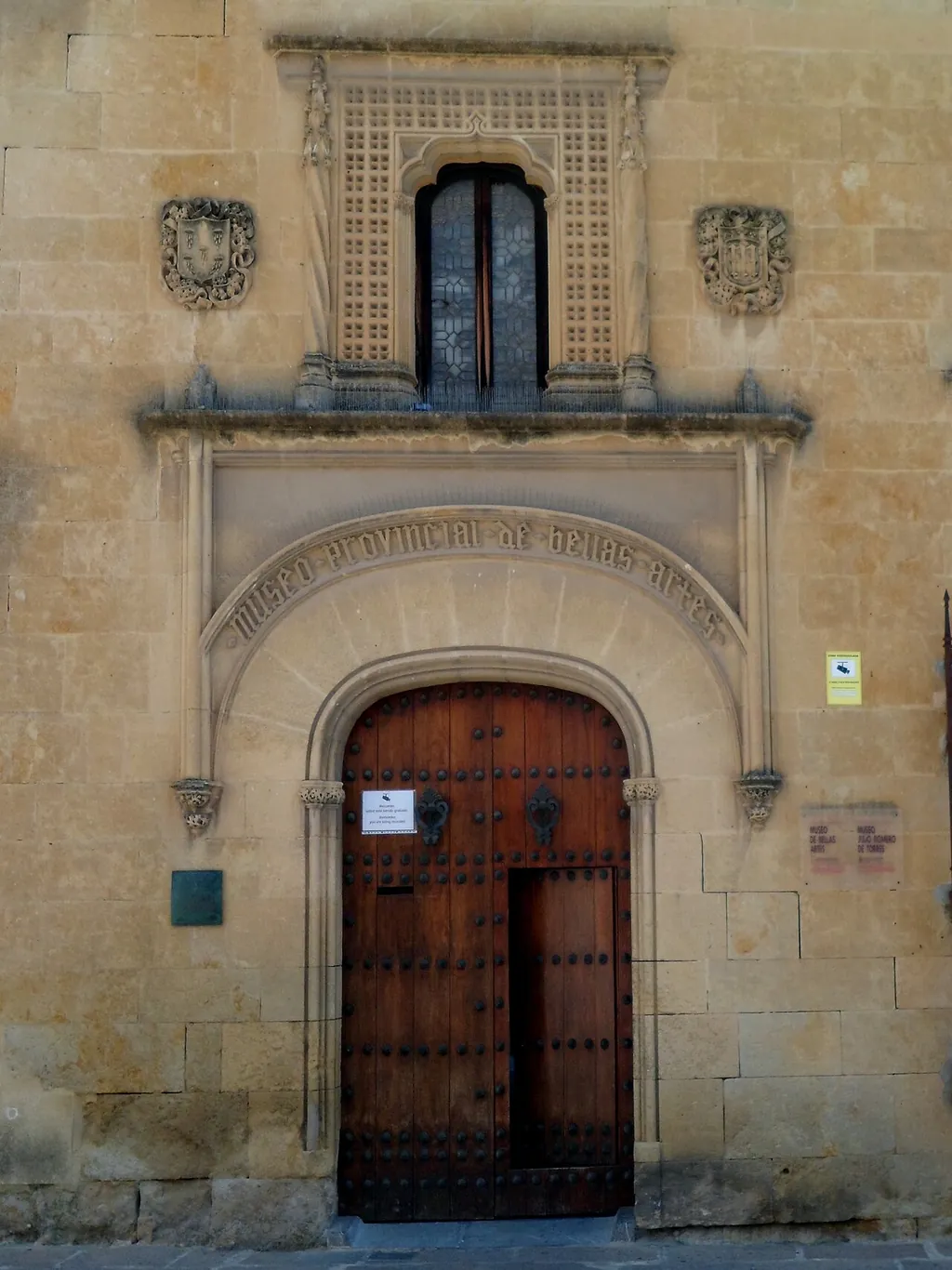
The building belonged to a brotherhood founded in the 14th century that cared for the sick and ransomed captives; the original construction dates from the late 15th century. It is organised around a large central courtyard, with a staircase covered by a Mudéjar timber ceiling and a porticoed façade attributed to Hernán Ruiz el Viejo. The dome of its church was decorated around 1925 by Rafael Romero de Torres Pellicer, son of Julio. The Romero de Torres family left its mark on the museum's history: Rafael Romero Barros and then his son Enrique directed it, and after the death of Julio Romero de Torres in 1930 the museum that bears his name was opened in the same complex, now independent and municipally owned.
The collections grew through donations and deposits such as those of the Marquesa de Cabriñana, Ángel Avilés, Mateo Inurria, Luis Bea Pelayo and Camacho Padilla. Since the transfer of responsibilities in 1984, the museum, which is state-owned, has been managed by the Junta de Andalucía. It reopened in 1986 after a refurbishment and today shows painting, sculpture, drawing and printmaking from the 14th to the 20th century, with particular attention to Córdoba's art.
Highlights
- Córdoba painting from the Middle Ages to the 20th century
- Mateo Inurria room and sculpture collection
- “La Virgen de los Plateros” by Valdés Leal
- “Mal de amores” by Julio Romero de Torres
- Drawing and print collection, with Goya's Caprichos and Proverbios
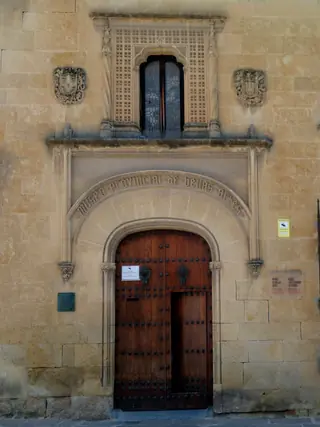
- Courtyard, portal and decorated dome of the former Hospital de la Caridad
Permanent exhibition
- Colección permanente – Six rooms, three on the ground floor and three on the upper floor, which trace Córdoba's art in chronological order, from Renaissance, Mannerist, Baroque, modern and contemporary art, with painting, sculpture, drawing and printmaking.
- Founded
- 1843
- Operated by
- Junta de Andalucía (Consejería de Cultura, Patrimonio Histórico y Deporte)
- Director
- José María Domenech Vázquez
- Visitors per year
- approx. 63,171
Admission & discounts
| Adults | €1.50 |
|---|---|
| Groups | –Groups must book in advance on the Junta de Andalucía's booking platform and cannot exceed 25–30 visitors. Individual visits do not require booking. |
General admission: €1.50. Free admission for accredited citizens of the European Union.
Accessibility
- Partially wheelchair accessible
- Elevator: no information
- Accessible restroom: no information
- Accessible parking: no information
- Service dogs welcome: no information
- Tactile models & exhibits: no information
- Sign language tours: no information
- Easy-to-read materials: no information
- Audio description: no information
The museum states that access for people with reduced mobility is possible only to the ground floor.
Kids & families
The museum hasn’t published any information on this.
Getting there & parking
By public transit
Urban buses: lines 1, 3, 7 and 12. Córdoba-Central railway station.
By car
Nearest public car park: El Arcángel shopping centre.
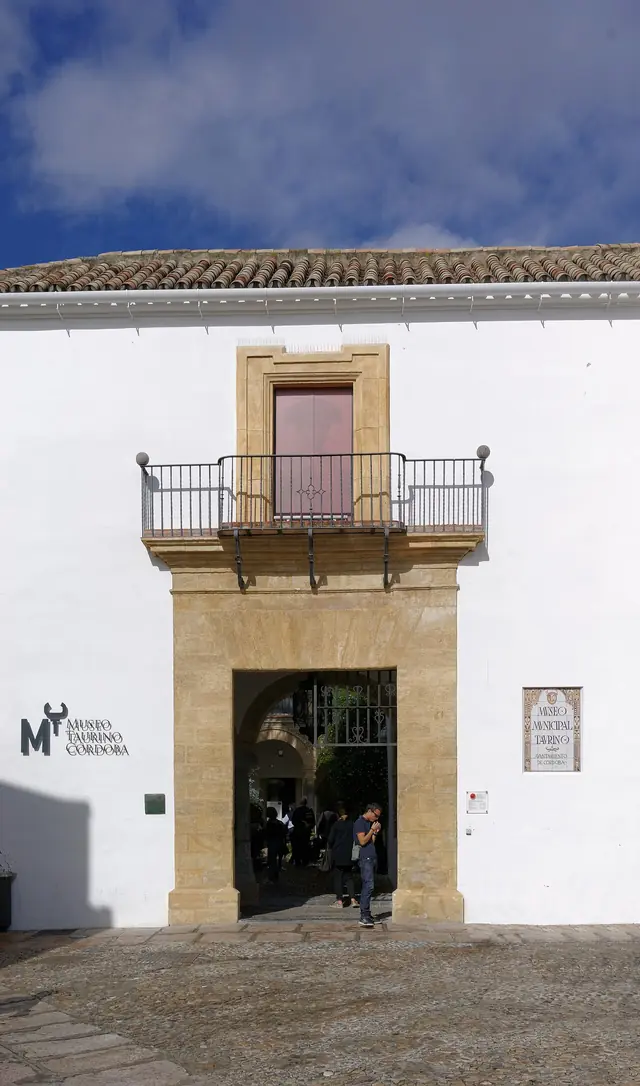
The museum shares its premises with the Museo Julio Romero de Torres, on the Plaza del Potro.
Get directionsAmenities & dining
- Museum shop: not available
Library with more than 10,000 volumes on art history, a restoration workshop and an archive; the museum has no shop.
Events & venue rental
The museum hasn’t published any information on this.
Plan your visit
| Guided tours | no |
|---|---|
| Audio guide | no |
| School programs | yes |
| Good to know | The museum offers no audio guides or guided tours of its own. It publishes a programme of educational activities for the school year and downloadable leaflets in Spanish, English, French and Italian. The rooms are rotated according to the holdings, so some works may not be on display. |