Museo Julio Romero de Torres
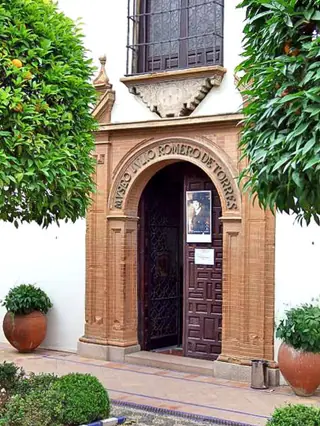
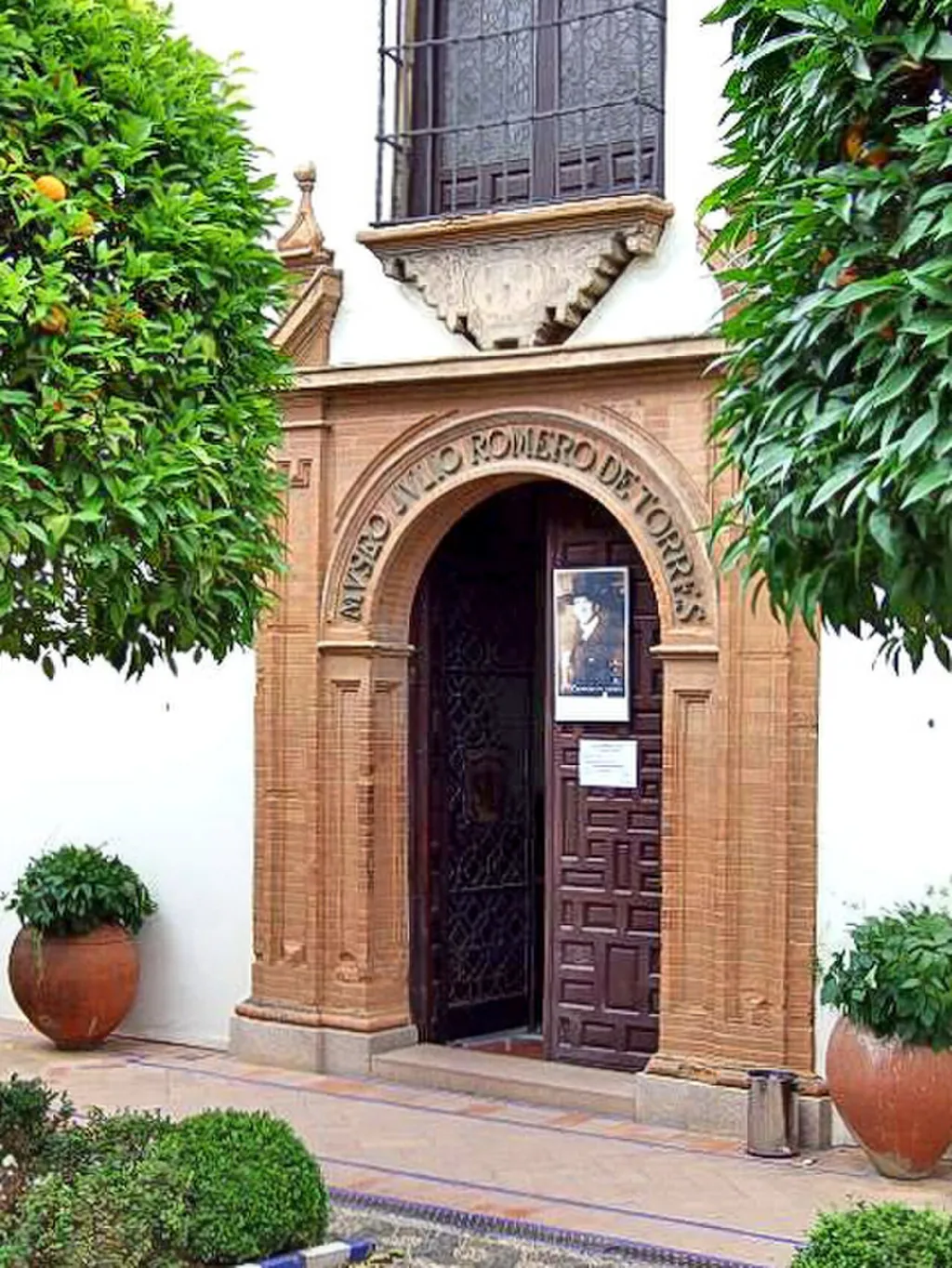
Author museum with the largest collection of canvases by the Córdoba painter Julio Romero de Torres, next to the Plaza del Potro.
Have only individual sections read aloud
About the museum
The Museo Julio Romero de Torres is an author museum that brings together the largest collection of canvases by the Córdoba painter. Its origin lies in the painter's death on 10 May 1930, when 25 of his works were on display at the Ibero-American Exposition in Seville. The family turned down purchase offers so that the work would remain in Córdoba, and Enrique Romero de Torres, the painter's brother and director of the Museo Provincial de Bellas Artes, communicated this decision to the board of trustees.
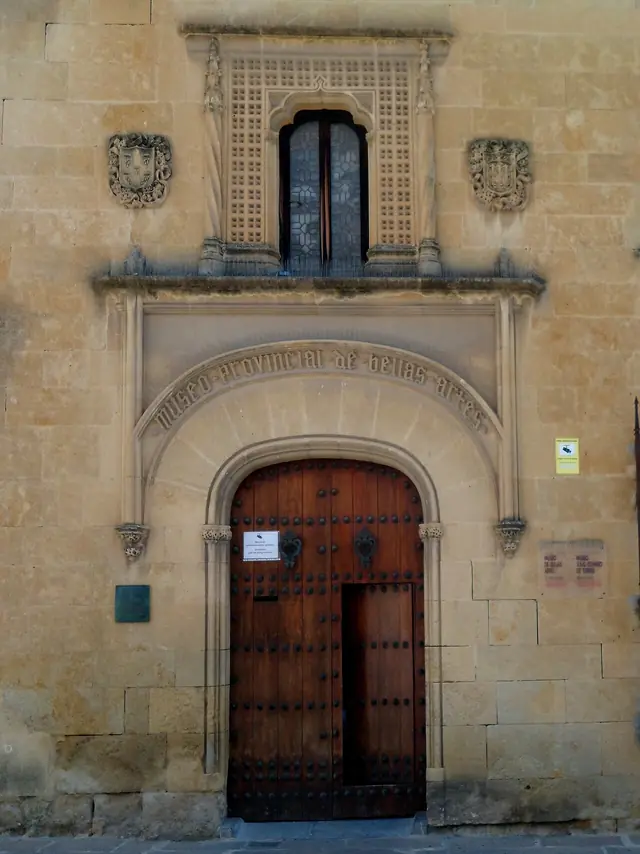
The museum opened provisionally on 23 November 1931 and definitively on 24 May 1936, in a pavilion in the grounds of the former Hospital de la Caridad, next to the Museo de Bellas Artes, which managed it. As the first space soon proved too small, the house at number 5 Plaza del Potro was added to the complex in 1934, so that by 1936 the museum had three new rooms alongside the three existing ones.
To the works from the Ibero-American Exposition were added personal belongings collected from the painter's studios in Madrid and Córdoba and, later, deposits, donations and purchases. Today the museum is municipally owned and part of the Córdoba City Council's museum network. Its route is organised in six rooms: the family environment, the early period, the chapel, the origin of the deep (lo hondo), the portraits (semblanzas) and the spirit of Córdoba.
Highlights
- Largest collection of canvases by Julio Romero de Torres
- Room 1, devoted to the painter's family environment
- Room 3 (“La Capilla”), with Death of Saint Agnes
- Works such as Mira qué bonita era, La nieta de la Trini and Naranjas y limones
- Raised tactile plan with Braille and labels with Navilens codes
Permanent exhibition
- Colección permanente – Six rooms that follow the painter's life and work, from his family environment and early years to the chapel, the portraits and his vision of Córdoba.
- Founded
- 1931
- Operated by
- Ayuntamiento de Córdoba
Admission & discounts
| Adults | €5 |
|---|---|
| Reduced | €2.50Members of large families, holders of the Carné Joven, holders of the ISIC international student card up to age 26, people over 65, members of ICOM and of professional associations of museologists, librarians and archivists |
| Children & teens | freefree up to age 16 · Free admission for under-17s. |
| Seniors | €2.50People over 65. |
| Visitors with disabilities | freecompanion free · Free admission for people with a disability of 33% or more; also for a companion when their help is essential. |
| Students & apprentices | €2.50Holders of the ISIC international student card up to age 26. |
| Groups | –Groups of up to 15 people, including the guide or teacher. The group guiding system is mandatory, except for groups of under-18s. Buying tickets in advance is recommended because of the capacity limit. |
| Ticket for residents of the municipality of Córdoba | free |
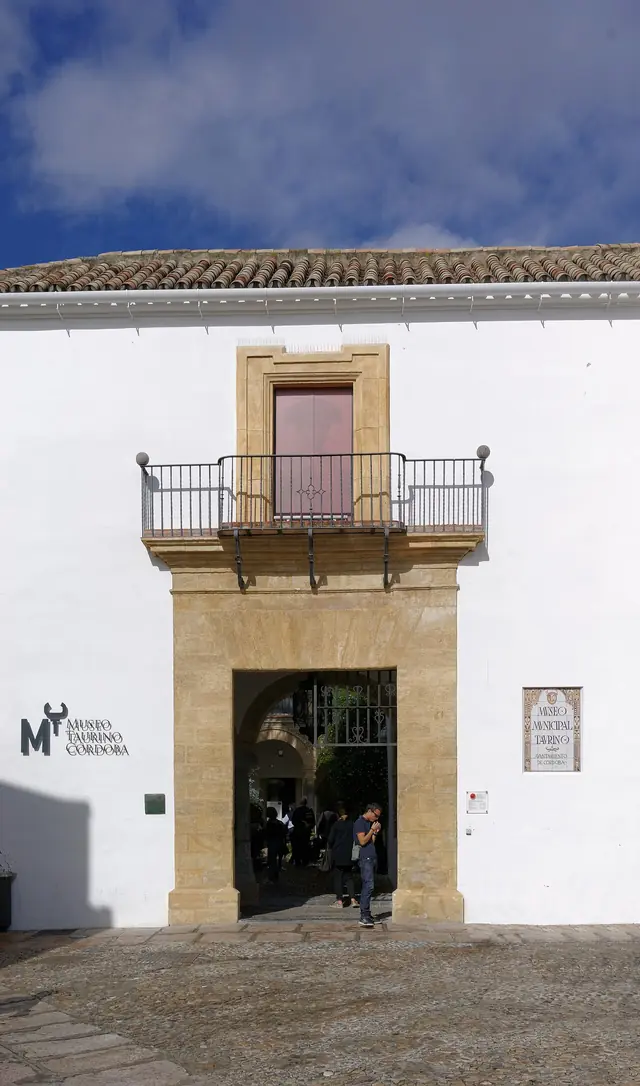
| Joint ticket for Córdoba monuments (online purchase) | €13.91At the ticket office it costs €15. It includes the Gardens of the Alcázar de los Reyes Cristianos, the Baths of the Alcázar Califal, the Museo Taurino, the Museo Julio Romero de Torres and the Centro Flamenco Fosforito. |
Free admission: Free admission on 28 February (Día de Andalucía), 18 May (International Museum Day), 8 September (Solidarity Day of the OCPM), 27 September (World Tourism Day) and 17 December (anniversary of the declaration of Córdoba's historic centre as a World Heritage Site). On non-holiday Thursdays, free access from 18:00 in winter hours and from 12:00 in summer hours, until capacity is reached.
General admission: €5; reduced admission: €2.50. Free admission also for unemployed people registered for work, accredited teachers and practising official European guides.
Accessibility
- Wheelchair accessible
- Elevator: no information
- Accessible restroom: no information
- Accessible parking: not available
- Service dogs welcome
- Tactile models & exhibits
- Sign language tours: no information
- Easy-to-read materials: no information
- Audio description
According to the museum, all visitable spaces are fully accessible. The lobby has a high-relief plan with Braille information; the labels follow the UNE 170002 standard and include Navilens codes, and the main works have been reproduced in A3 size in relief with Braille text. There is an induction loop at reception and guiding equipment with induction cords for groups. A sign-language interpreter service is provided on request, with at least 15 days' notice. Assistance dogs are welcome.
Kids & families
The museum hasn’t published any information on this.
Getting there & parking
By public transit
El Potro (La Ribera)
Urban buses: lines 01, 03, 07 and 12; the nearest stops are San Fernando and El Potro (La Ribera).
By car
The museum has no visitor car park. Paid public car park on the Paseo de la Ribera, about 2 minutes from the museum.
- Accessible parking: not available
The museum recommends arriving on foot, by bicycle or by public transport.
Get directionsAmenities & dining
- Coat check: not available
There is no cloakroom: only small bags and backpacks up to 30 × 30 cm are allowed, and they must be carried at the front of the body.
Events & venue rental
- Spaces for rent
- Private parties
- Corporate events
The museum admits private visits and corporate events outside opening hours, provided that no food or drink is consumed. Contact: museojulioromero@cordoba.es.
Plan your visit
| Audio guide | yes |
|---|---|
| Photography | Photographs without flash are allowed for private use only. Tripods, selfie sticks and independent lighting are not permitted. |
| Good to know | The main works carry Navilens codes that give access to multimedia content through the Navilens GO app. Once you leave the museum you cannot re-enter. There are radio guides for groups with hearing impairments and other groups with special needs. |