Museo de los Faroles de Vitoria
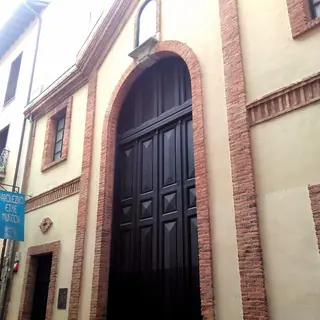
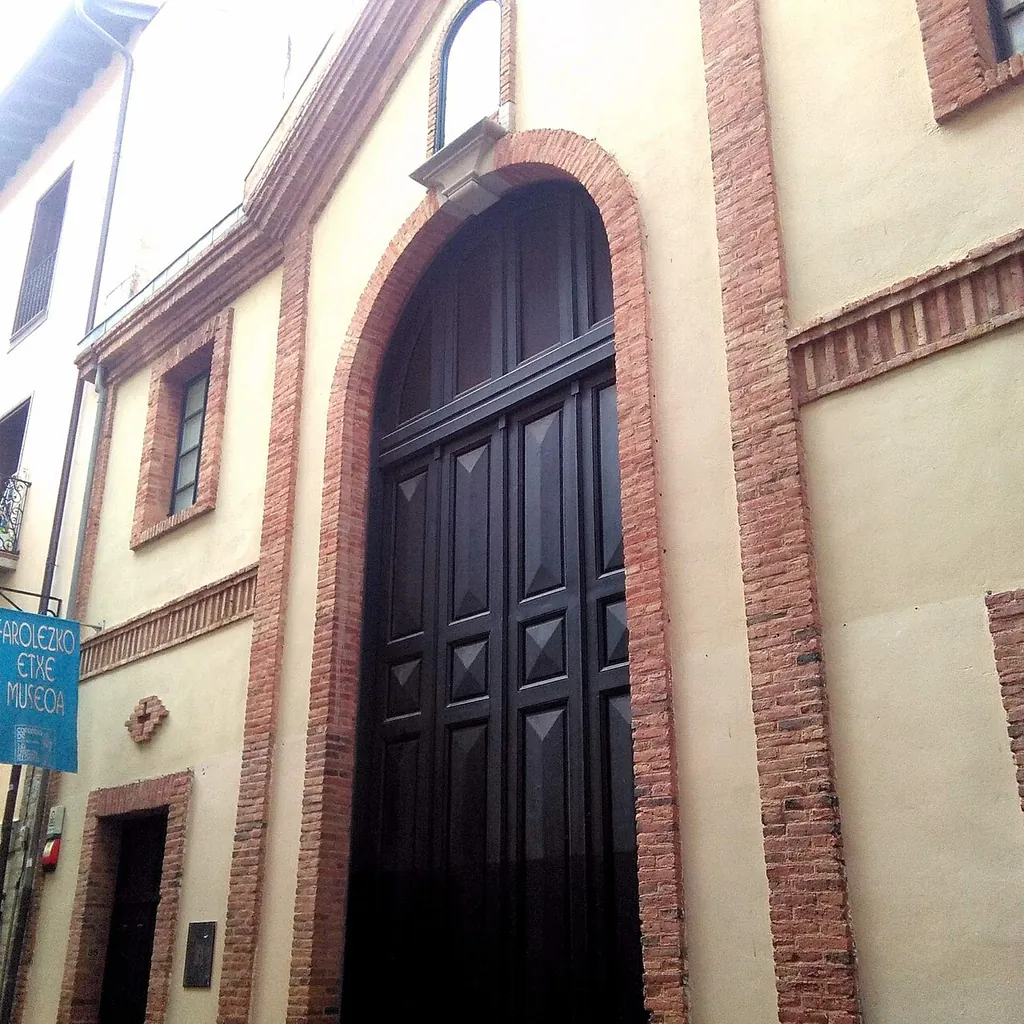
Museum of the Brotherhood of the Virgen Blanca, with the 282 glass and metal lanterns of the Rosary that are processed every 4 August.
Have only individual sections read aloud
About the museum
The Procession of the Rosary of the Lanterns (Rosario de los Faroles), which sets out every 4 August, originates in a project of 1895 by Manuel Díaz de Arcaya, who proposed to the Brotherhood of the Virgen Blanca a glass rosary like the one that already existed in Zaragoza. With the support of institutions and families of Vitoria and a public subscription, the pieces were commissioned from the firm Quintana of Zaragoza. Today 282 metal and glass pieces survive.
To store them for the rest of the year, a building was erected on Calle Zapatería to a 1900 design by the modernist architect Fausto Iñiguez de Betolaza: a warehouse with a rectangular façade divided into three bays, a large round-arched door high enough to take out the floats, and a niche with the Virgin of the Rosary. In the mid-20th century it suffered serious conservation problems.
In 1997, after the major restoration project of the lanterns, it was decided to rehabilitate the building, under an agreement between the Basque Government and the Brotherhood and to a design by the architect Luis López de Armentia, in order to create a museum that would keep the pieces at a suitable temperature and humidity and open them to the public all year round. Today it is maintained by the Brotherhood of the Virgen Blanca from its own resources, and the visit explains the history, iconography and art of the pieces, which represent each part of the Rosary.
Highlights
- 282 processional pieces in metal and glass
- Glass heritage: lanterns representing each part of the Rosary
- Modernist building by Fausto Iñiguez de Betolaza, 1900
- History of the Procession of the Rosary of the Lanterns on 4 August
- Guided tours by advance booking
Permanent exhibition
- Elementos procesionales del Rosario de los Faroles – The lanterns and other metal and glass elements of the procession, with an explanation of their history, iconography and art.
- Operated by
- Cofradía de la Virgen Blanca
Admission & discounts
The museum hasn’t published any information on this.
Accessibility
The museum hasn’t published any information on this.
Kids & families
The museum hasn’t published any information on this.
Getting there & parking
The museum hasn’t published any information on this.
Amenities & dining
The museum hasn’t published any information on this.
Events & venue rental
The museum hasn’t published any information on this.
Plan your visit
| Guided tours | yes |
|---|---|
| Good to know | Guided tours are requested using a form on the Brotherhood's website (individually or in groups of 2 to 9, 10 to 15, 15 to 20, or more than 20 people); the request remains pending until confirmed by the Brotherhood. |
Museums nearby
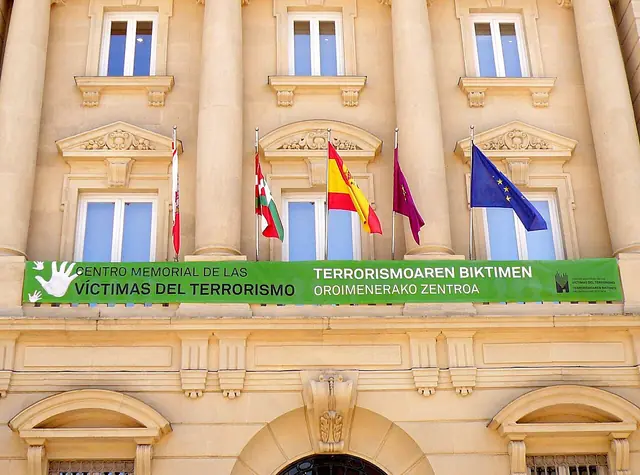
Centro Memorial de las Víctimas del Terrorismo
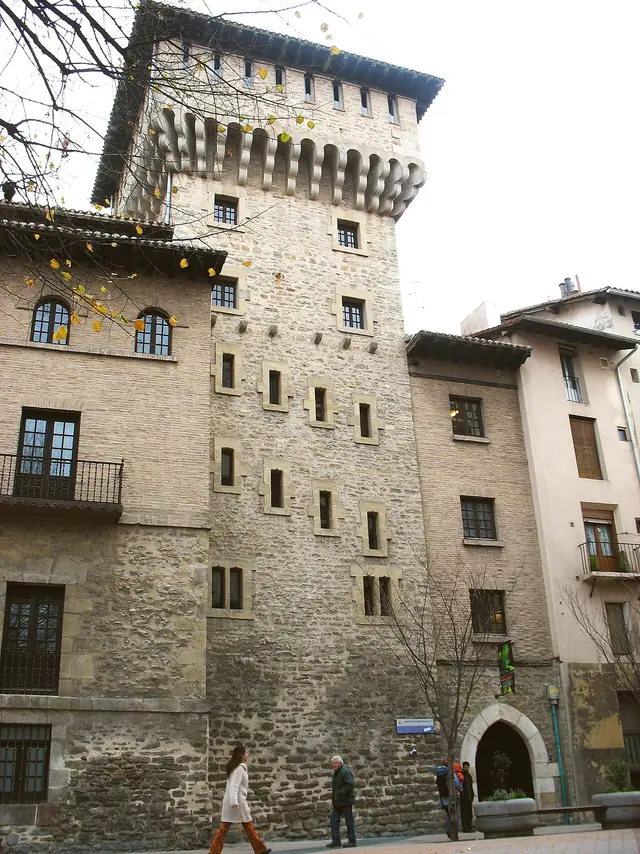
Museo de Ciencias Naturales de Álava
Museo de Arqueología de Álava
Museo Fournier de Naipes de Álava
Museo Diocesano de Arte Sacro de Vitoria-Gasteiz
Artium Museoa
All 10 museums in Vitoria-Gasteiz All museums in Basque Country