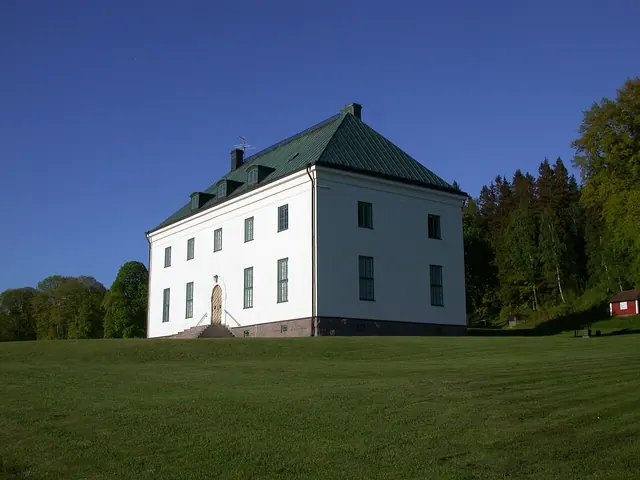
Svenskt Porslinsmuseum
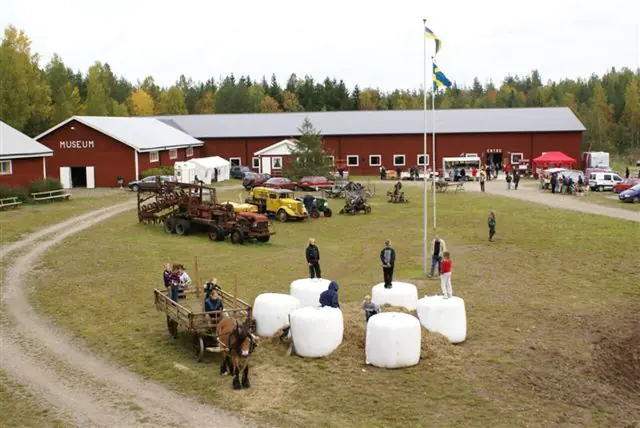
Porcelain museum at Godegård manor with Swedish porcelain from the 1750s to today, a works museum, a carriage museum and a café in a works setting.
Have only individual sections read aloud
About the museum
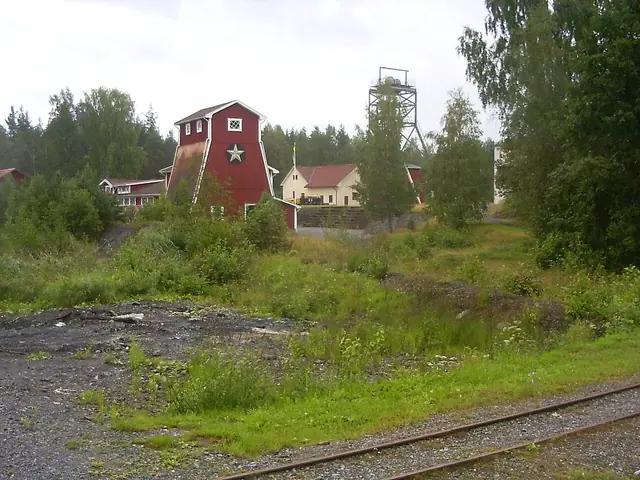
Godegård is one of the oldest ironworks in the Östergötland mining district (bergslag), and ore was mined and processed here as early as the Middle Ages. At the beginning of the 1600s the works was bought by Louis de Geer, who had a blast furnace and bar-iron hammers built. The estate received seat privileges (sätesfrihet) in 1641, and therefore it is called a säteri (manor). The main building was completed in 1725 in the time of Jean de Geer the Younger, when Godegård by the mid-1700s was responsible for the largest iron production in Östergötland. In 1775 the estate passed to Johan Abraham Grill, a director of the East India Company (Ostindiska kompaniet). The whole environment is a listed building (byggnadsminne).
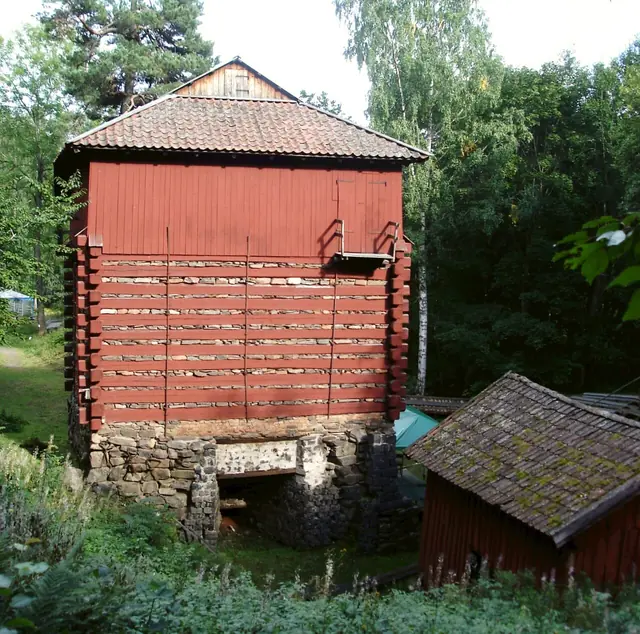
The museum consists of two parts. The Bruksmuseet (works museum) shows the life and history of the farm in the settings and interiors of the different buildings: an 18th-century kitchen with a hand pantry (handkammare), a weaving room, a maids’ room and the housekeeper’s room (husmamsellens rum), a carriage museum with various types of carriages and harnesses (seldon), a farm joinery, a food store (visthus) and a spice room (kryddbod).
The Porslinsmuseet (porcelain museum) shows Swedish porcelain production from the 1750s to today, with plates in chronological order, table settings, settings and special displays, as well as temporary exhibitions. The collection is counted among Sweden’s largest porcelain collections and holds dinner and coffee services from, among others, Rörstrand, Gustavsberg, Lidköping, Göteborg, Gefle, Upsala Ekeby and Karlskrona.
Highlights
- Swedish porcelain from the 1750s to today, including Rörstrand, Gustavsberg and Lidköping
- Works museum with an 18th-century kitchen, weaving room and farm joinery
- Carriage museum with different types of carriages and harnesses
- Food store and spice room in the listed works environment
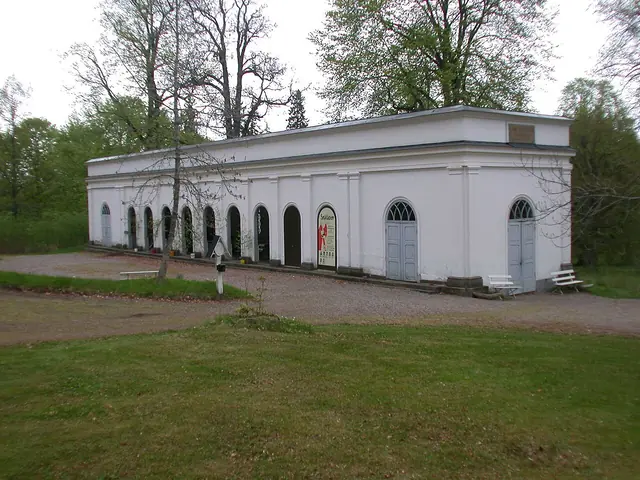
- Café in the farm’s old wing building
Permanent exhibitions
- Porslinsmuseet – Swedish porcelain production from the 1750s to today, with plates in chronological order, table settings, settings and special displays.
- Bruksmuseet – The farm’s life and history in the old buildings, including an 18th-century kitchen, farm joinery, a food store and a spice room.
- Vagnsmuseet – Different types of carriages and harnesses.
- Operated by
- Svenskt Porslinsmuseum, Godegårds säteri
Admission & discounts
The museum hasn’t published any information on this.
Accessibility
The museum hasn’t published any information on this.
Kids & families
The museum hasn’t published any information on this.
Getting there & parking
Godegård manor lies about 30 km north of Motala and 30 km south-east of Askersund, just east of Godegård.
Get directionsAmenities & dining
- Café
Café in the farm’s old wing building with coffee and home-baked goods, sandwiches and lighter lunches, open during the museum’s opening hours.
Events & venue rental
The museum hasn’t published any information on this.
Plan your visit
| Guided tours | yes |
|---|---|
| Good to know | Groups of at least 15 people are received by a guide at the gates; the visit can end with a guided viewing of the preserved 18th-century kitchen. Food and coffee can be served before or after the visit. |