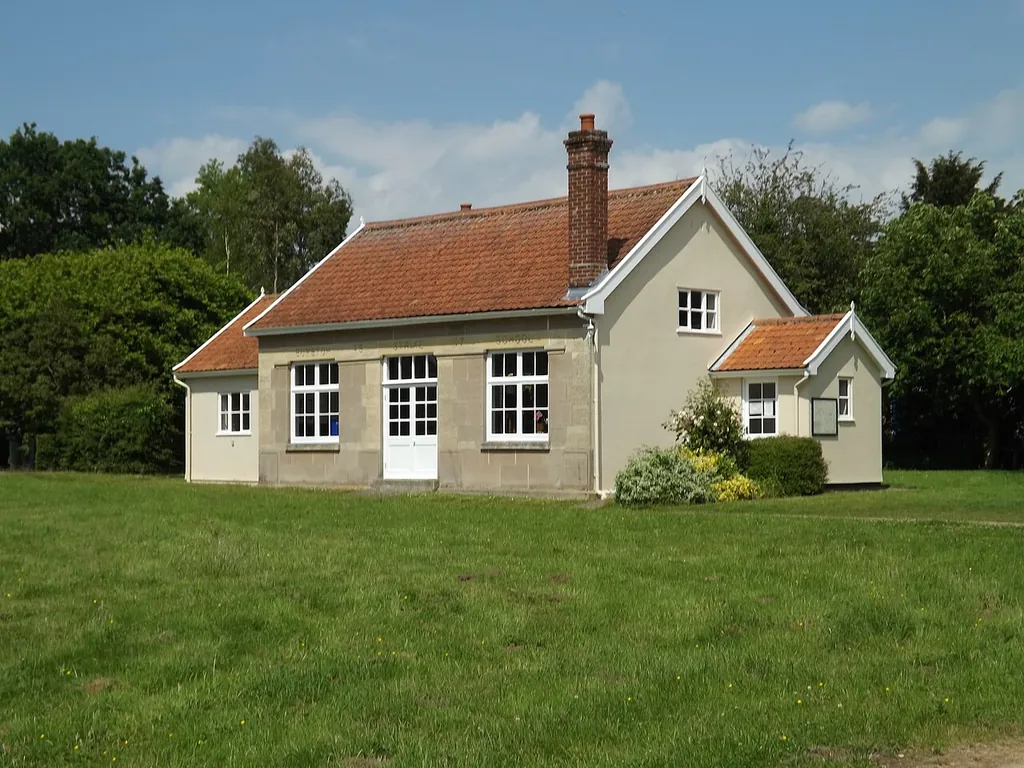
Burston Strike School Museum
Museum in the 1917 school built by striking villagers, telling the story of the longest school strike in British history (1914–1939).
Have only individual sections read aloud
About the museum
The Burston Strike School commemorates the longest school strike in British history. On 1 April 1914 the village school at Burston in Norfolk dismissed its teachers, Tom and Annie Higdon, who had supported farm workers and defended their interests. Sixty-six pupils walked out in protest and the boycott of the council school continued for about twenty-five years.
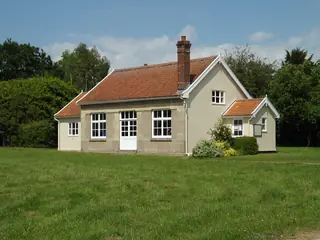
The striking children were first taught in temporary premises. A purpose-built school, paid for by a national appeal among trade unions, trades councils, co-operative societies and Labour Party branches, was opened on 13 May 1917. Carved blocks on the building record the groups that gave money. It is a Grade II listed building.
The school became a museum in the early 1980s. A registered educational charity, set up in 1949 by the National Union of Agricultural Workers, looks after the building, which is kept going by public donations. An annual rally has been held on the first Sunday in September since 1984, organised by the trustees and the Unite union.
Highlights
- Purpose-built strike school opened in 1917
- Story of Tom and Annie Higdon and the 1914–1939 strike
- Annie Higdon’s desk and the visitors’ book
- Annual Burston Rally on the first Sunday in September
- Founded
- 1982
- Operated by
- Burston Strike School trustees (registered educational charity)
Admission & discounts
Admission is free.
No admission fee; there is a donation box inside the school.
Accessibility
- Partially wheelchair accessible
- Elevator: no information
- Accessible restroom: not available
- Accessible parking: no information
- Service dogs welcome: no information
- Tactile models & exhibits: no information
- Sign language tours: no information
- Easy-to-read materials: no information
- Audio description: no information
The entrance has a step, and a portable ramp is kept just inside the door. There are two toilets at the back of the building, but neither is wheelchair accessible.
Kids & families
The museum hasn’t published any information on this.
Getting there & parking
By public transit
Diss station
The nearest railway station is Diss, on the Norwich to London Liverpool Street line. Simonds bus services 1 and 2 stop in Burston on weekdays and Saturdays; there are no buses on Sundays.
The school stands in the centre of the village next to the village green, near the crossroads by the Burston Crown inn, and is reached from the A140.
Get directionsAmenities & dining
A merchandise table stands next to the donation box. There are two toilets at the back of the building.
Events & venue rental
The museum hasn’t published any information on this.
Plan your visit
| Good to know | Individual visits do not need to be booked. Groups can ask the trustees for a visit or a talk about the strike through the contact page. Please sign the visitors’ book on Annie Higdon’s desk. |
|---|