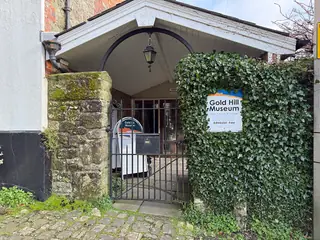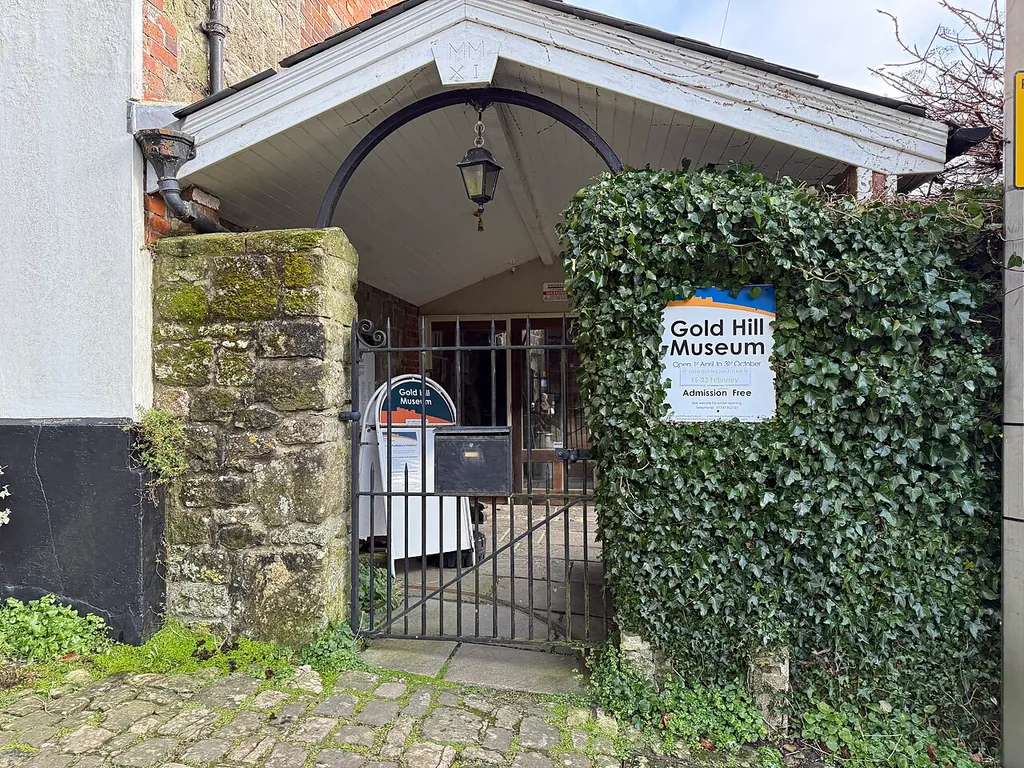
Gold Hill Museum
Volunteer-run local history museum in two historic buildings at the top of Gold Hill, Shaftesbury, with free entry and a cottage garden.
Have only individual sections read aloud
About the museum
Gold Hill Museum tells the story of Shaftesbury and the surrounding part of Dorset. It is owned and run by volunteers of the Shaftesbury & District Historical Society, a registered charity that receives no regular public funding for the running costs of the museum.
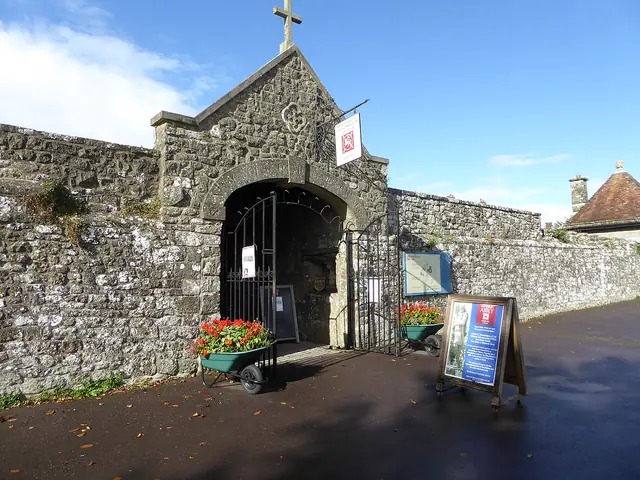
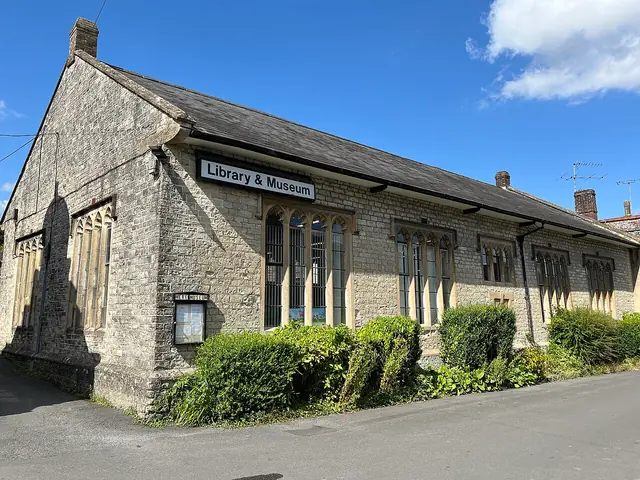
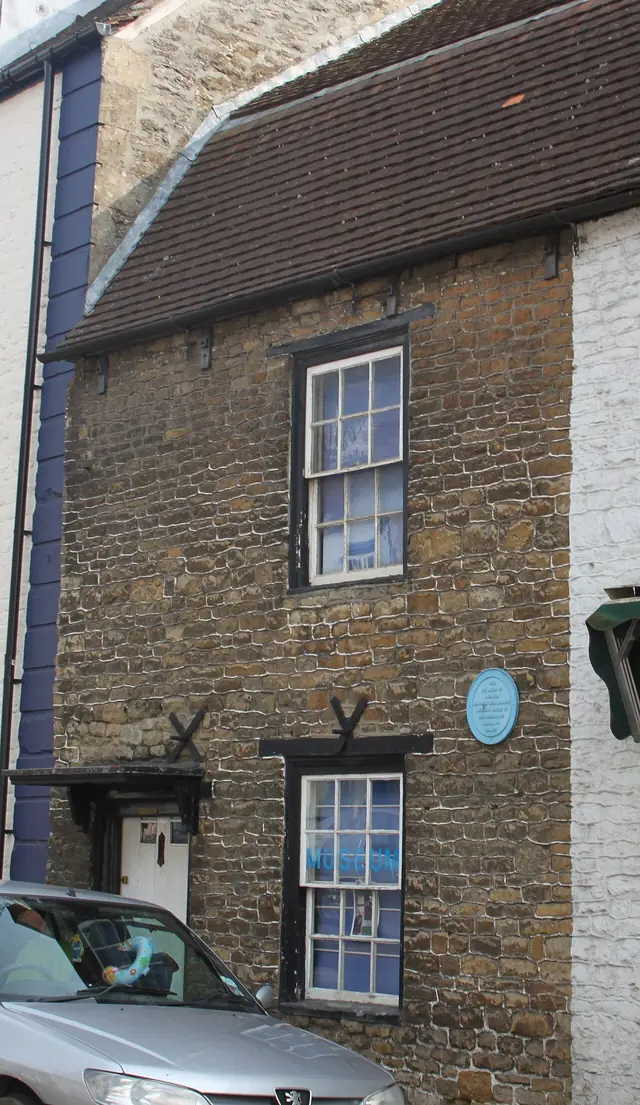
The museum occupies two historic buildings at the top of the steep, cobbled Gold Hill. One of them was the priest's house of the neighbouring church of St Peter and still has a small opening in the wall through which the priest could look into the church. The other building once provided basic lodgings for traders at the market on Gold Hill.
The displays begin before the town's traditional foundation by King Alfred and follow rural and town life through eight galleries. Among the best-known objects are the Byzant, an ornament carried in the town's yearly water-supply ceremony, the oldest fire engine in Dorset (1744), lace and costumes, handmade Dorset buttons and a mummified cat. A garden with views across the Blackmore Vale and a library and local history archive complete the site.
Highlights
- The Byzant, carried in the annual water-supply celebrations
- Dorset's oldest fire engine, from 1744
- Lace, costumes and handmade Dorset buttons
- Mummified Dorset cat
- Cottage garden with views over the Blackmore Vale
Permanent exhibition
- Shaftesbury and Dorset galleries – Permanent displays on two floors cover the history, trades and daily life of Shaftesbury and its countryside, from early times to the present.
- Founded
- 1946
- Operated by
- Shaftesbury & District Historical Society
Admission & discounts
Admission is free.
Free entry; donations are welcome. A 32-page illustrated souvenir guide is on sale for £3.50, and a double-sided room guide can be borrowed free of charge.
Accessibility
- Wheelchair accessible
- Elevator
- Accessible restroom
- Accessible parking: no information
- Service dogs welcome
- Tactile models & exhibits: no information
- Sign language tours: no information
- Easy-to-read materials: no information
- Audio description: no information
All rooms are open to wheelchair and buggy users. A lift serves the first floor and is operated by a volunteer steward on request, and a folding wheelchair can be borrowed from the stewards. The accessible toilet has nappy-changing facilities. Well-behaved dogs are welcome. Disabled visitors may drive up to the museum entrance at the top of Gold Hill, but parking is not allowed on Gold Hill itself. The education room has a hearing loop.
Kids & families
Great for kids & families
- Family tours & workshops
- Activity booklet, scavenger hunt or kids’ audio guide
- Hands-on stations
- Stroller-friendly
- Baby changing facilities
Younger visitors can use an Explorer's Quiz and two baskets of activities in Rooms 2 and 4, and look for six Dorset button mice hidden in the display cases. Free drop-in craft sessions were held in August 2026.
Getting there & parking
By car
Paid parking · 5-min walk to the entrance
The nearest pay car park is about five minutes' walk away.
The museum is at the top of Gold Hill, Shaftesbury.
Get directionsAmenities & dining
- Museum shop
Museum shop and second-hand book corner. There is no café in the museum; the nearest, the Salt Cellar, is about 20 yards from the museum gate, and more cafés are a two-minute walk away in the High Street. Wi-Fi is offered only to people who hire the Garden Room.
Events & venue rental
- Spaces for rent
- Private parties
- Corporate events
Up to 60 guests.
The Anna McDowell Garden Room overlooks the garden and is let for conferences, workshops, lectures and social events. It seats about 45 theatre-style or 30 at round tables, or holds 60 standing, and has a projector, screen, hearing loop and kitchenette. Discounts are offered for repeat bookings.
Inquiries & detailsPlan your visit
| School programs | yes |
|---|---|
| Good to know | Schools can book workshops with object handling on the Romans, Saxons and Vikings, Tudors and Victorians in a dedicated education room (up to 35 children at a time), and free loan boxes can be borrowed for half a term. The library and local history archive can be used for research by appointment. |