Shaftesbury Abbey Museum and Garden
Small independent museum and herb garden on the site of King Alfred's Saxon nunnery in Shaftesbury, Dorset; admission is free.
Have only individual sections read aloud
About the museum
Shaftesbury Abbey was founded around AD 888 by King Alfred the Great as a religious house for women, with his daughter as its first abbess. Over the following centuries it grew into one of the richest nunneries in England, helped by royal gifts and by the shrine of Edward the Martyr, whose remains were brought here after his death in 978. Pilgrims travelled to the abbey to pray at the shrine, and King Canute is recorded as dying here in 1035.
The Saxon buildings were replaced by a Norman church between about 1080 and 1120. The abbey was closed in March 1539 during Henry VIII's dissolution of the monasteries, ending roughly 650 years of continuous worship, and the buildings were soon reduced to ruins.
Today the site is run by a small independent charity that depends on donations and volunteers. The museum has been redeveloped and displays Saxon carved stonework, medieval floor tiles and finds from archaeological excavations in 2019, together with panels about the people who lived at the abbey, from abbesses to ordinary nuns. The galleries are painted in medieval colours based on the original abbey church. Outside, a walled garden grows medieval herbs and plants and looks out over the Blackmore Vale.
Highlights
- Saxon carved stonework and medieval floor tiles
- Finds from the 2019 archaeological excavations
- Digital reconstruction of how the abbey may have looked
- Walled medieval herb garden with views over the Blackmore Vale
- Displays on the abbesses and nuns who lived here
Permanent exhibitions
- Shaftesbury Abbey Museum – Saxon carving, medieval floor tiles and excavation finds, with displays about the abbesses and nuns and a digital reconstruction of the abbey.
- Medieval herb garden – A walled garden planted with medieval herbs and plants beside the abbey ruins, with views over the Blackmore Vale.
- Operated by
- Shaftesbury Abbey Museum & Gardens (registered charity)
Admission & discounts
Admission is free.
Admission is free for everyone; donations are welcome.
Accessibility
- Wheelchair accessible
- Elevator: no information
- Accessible restroom
- Accessible parking: no information
- Service dogs welcome
- Tactile models & exhibits: no information
- Sign language tours: no information
- Easy-to-read materials: no information
- Audio description: no information
The museum building has step-free access and level floors, and the approach along Park Walk from the High Street is level. Most of the garden has level grass and paths, but there is some uneven ground, raised stone foundations and steep steps to the upper herb garden; some areas may be hard to reach after heavy rain. Two unisex toilets are wheelchair accessible: one by the main entrance (with baby changing) and one in the Lodge, reached from the garden. Seating is available throughout. Only assistance dogs may enter the museum gallery.
Kids & families
Great for kids & families
- Family tours & workshops
- Activity booklet, scavenger hunt or kids’ audio guide
- Hands-on stations
- Baby changing facilities
Child-friendly quizzes and hands-on activities are offered. School sessions include medieval life workshops (calligraphy, clay tiles, weaving) and hands-on archaeology. A baby changing facility is in the toilet by the main entrance.
Getting there & parking
By public transit
Gillingham station
The nearest railway station is Gillingham (Dorset) on the Waterloo to Exeter line, about four miles away by bus or taxi.
By car
Parking available
The museum has no car park of its own. Town car parks are a short walk away; Bell Street Car Park and New Road Car Park have disabled spaces.
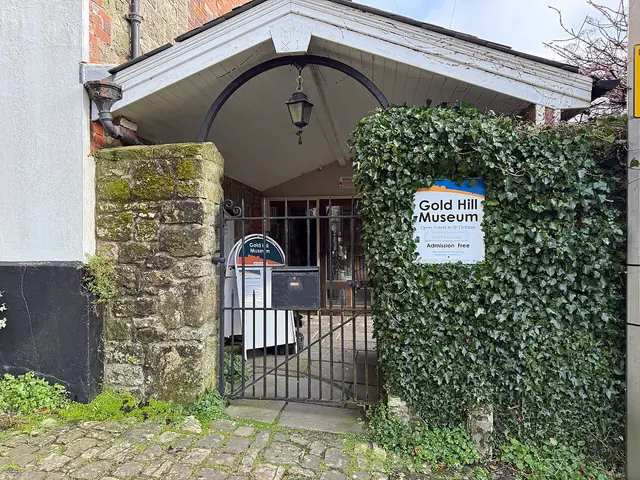
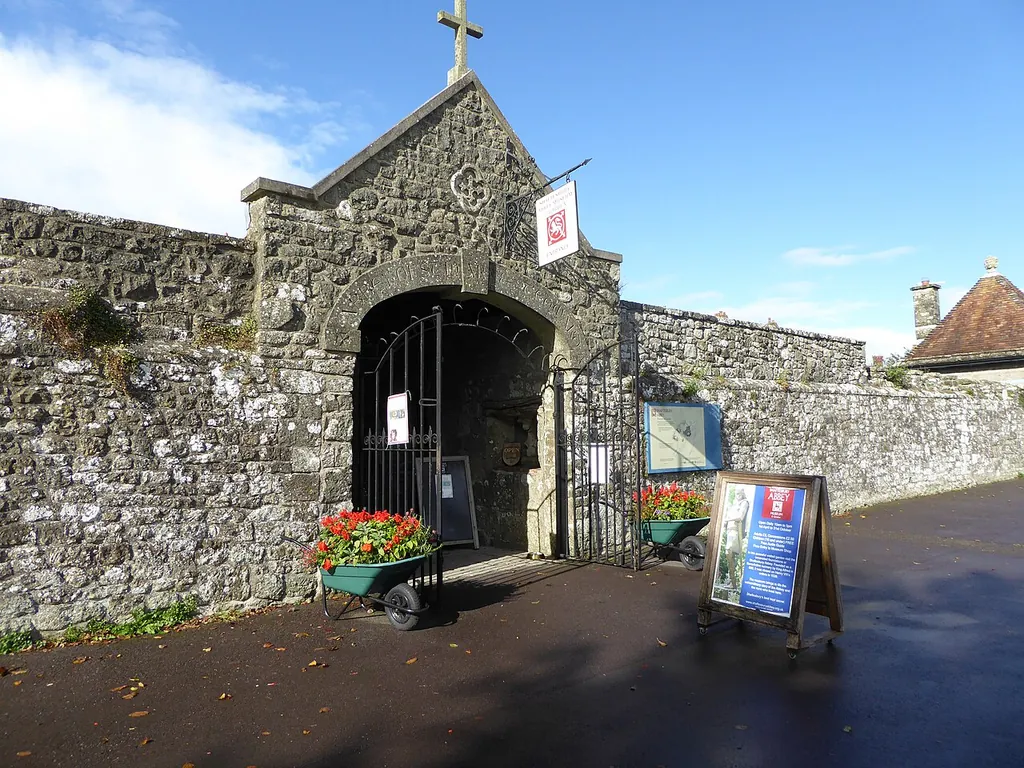
From the High Street, walk into Park Walk between the Oxfam bookshop and Costa Coffee; the museum entrance is halfway along the wall on the right, marked by iron gates.
Get directionsAmenities & dining
- Museum shop
Museum shop with local produce, crafts, gifts, toys, books and ice cream; refreshments are served. Herbs and ornamental plants are sold in spring and summer. Dogs on a lead are welcome in the garden.
Events & venue rental
The museum hasn’t published any information on this.
Plan your visit
| School programs | yes |
|---|---|
| Good to know | Information booklets for the museum, grounds and herb garden are available at reception, including printed guides in several languages. The abbey library can be used for study by prior booking. School groups are welcomed with an introductory talk and self-led activities; the museum has an education room. |