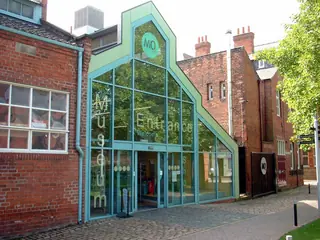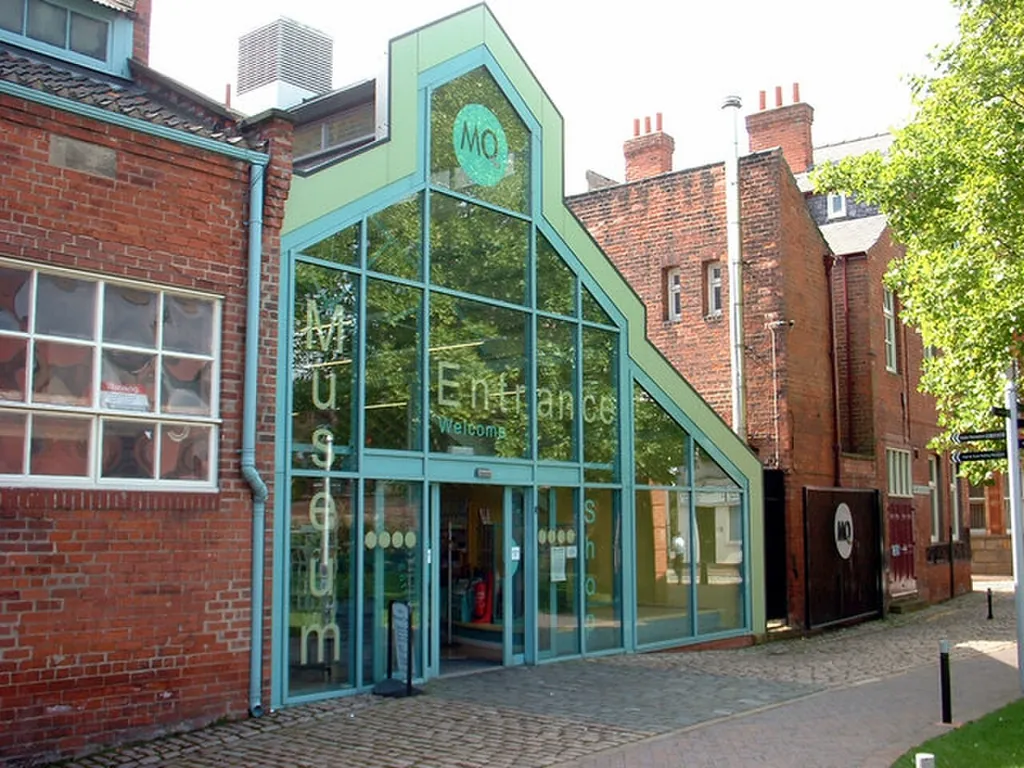
Hull and East Riding Museum of Archaeology
Free archaeology museum in Hull's Old Town covering 235 million years, from a woolly mammoth to Roman mosaics and a 2,300-year-old boat.
Have only individual sections read aloud
About the museum
The museum occupies the former Corn Exchange, built in 1855 on the site of a medieval customs house in Hull's Old Town. The first museum in the building, the Museum of Commerce and Transport, opened in 1925 and was badly damaged in the air raids of 1941. It reopened in 1957 as the Transport and Archaeology Museum and brought together the city's archaeological collections, including the Mortimer Collection, which had earlier been shown above City Hall.
By the early 1980s the transport collection had outgrown the shared building, so a new museum, today's Streetlife Museum, was built on the adjoining land. In 1989 the original building was refurbished and renamed the Hull and East Riding Museum, and its main entrance was moved to face the museum gardens. The name was extended to Hull and East Riding Museum of Archaeology in 2023 to reflect the collections.
The local archaeological collections hold Designated status, which recognises their national importance. They include the finds of the nineteenth-century amateur archaeologist J. R. Mortimer from 360 barrows on the Yorkshire Wolds, together with his site records. Later discoveries added prehistoric boats, Roman mosaics and a large range of everyday medieval objects from Hull's Old Town. The galleries follow the region from fossils of early sea creatures through the Stone, Bronze and Iron Ages and the Roman and Saxon periods to Hull in the Civil War.
Highlights
- Full-size woolly mammoth and real fossils
- Hasholme Boat, a 2,300-year-old Iron Age boat
- Life-size Iron Age settlement with thatched roundhouse and chariot
- Roman mosaics from Rudston, Brantingham and Horkstow in a recreated town square
- Roos Carr wooden figures from about 600 BC
- Medieval and early modern Hull, including everyday finds from the Old Town
Permanent exhibitions
- Iron Age and Celtic World – A life-size Iron Age settlement with a thatched roundhouse and two-horse chariot, the Hasholme Boat and the North Grimston Sword.
- Roman Britain – A recreated Roman town square with mosaics from villas at Rudston, Brantingham and Horkstow, a tax collector's office and a mosaic maker's workshop.
- Medieval and Early Modern Hull (1066–1642) – Refurbished displays on Beverley and Hull as trading centres, with everyday finds such as toys, jewellery and children's shoes.
- Founded
- 1989
- Operated by
- Hull City Council (Hull Museums)
Admission & discounts
Admission is free.
Admission is free and no booking is needed. Groups of 15 or more are asked to book a self-directed visit, which is also free; a small charge of £1.50 per person applies for using a space for lunch.
Accessibility
- Wheelchair accessible
- Elevator
- Accessible restroom
- Accessible parking
- Service dogs welcome
- Tactile models & exhibits
- Sign language tours
- Easy-to-read materials: no information
- Audio description
Step-free access at the front of the building and two lifts between floors, near the front and back of the museum. The accessible toilet is at the entrance near the shop, and more toilets with baby change are in the Roman gallery. A manual wheelchair can be borrowed. Blue Badge parking is on Gandhi Way and Alfred Gelder Street. Some galleries (fossil, prehistoric, Iron Age, Celtic World and Anglo-Saxon) are dark. BSL interpretation is available for talks and tours and for the info panels in the Medieval gallery, and audio-described films cover the Medieval gallery. The nearest Changing Places toilet is on the ground floor of the Guildhall. Easy-read and quick access guides, a visual story and an AccessAble guide are available.
Kids & families
Great for kids & families
- Family tours & workshops
- Activity booklet, scavenger hunt or kids’ audio guide
- Hands-on stations
- Baby changing facilities
Children can touch real fossils, meet a full-size woolly mammoth, explore a Celtic settlement and a Roman market and try on medieval clothing. Free family activities, events and themed trails run in school holidays.
Getting there & parking
By public transit
Drypool Bridge (Alfred Gelder Street)
Hull Paragon Interchange (bus and railway station) is a 15-minute walk away. The nearest bus stop is Drypool Bridge on Alfred Gelder Street.
By car
Parking available
Parking is available nearby on Alfred Gelder Street and Gandhi Way; Tower Street car park is just across the river. Lowgate car park (pay and display) is a five-minute walk away. Blue Badge parking is on Gandhi Way and Alfred Gelder Street.
- Accessible parking
The museum is in the Museums Quarter next to the River Hull, close to the Streetlife Museum and Wilberforce House. Cycle parking is outside the Streetlife Museum. At the time of research the main Museums Quarter entrance was closed because of heat network works; the alternative entrance is opposite Gandhi Way.
Get directionsAmenities & dining
- Café: not available
- Restaurant: not available
- Museum shop
No café in the museum; there is an outdoor picnic area in the Museums Quarter gardens and an independent café opposite the entrance on High Street. The gift shop sells archaeology-themed souvenirs.
Events & venue rental
- Spaces for rent
Venue hire is listed among the facilities; enquiries go to museums@hcandl.co.uk.
Inquiries & detailsPlan your visit
| Guided tours | yes · approx. 60 min |
|---|---|
| School programs | yes |
| Photography | Photography for personal, non-commercial use is welcome. |
| Good to know | Free one-hour guided tours are run by trained volunteers and must be booked online; they depend on volunteer availability and can change at short notice. |
Museums nearby
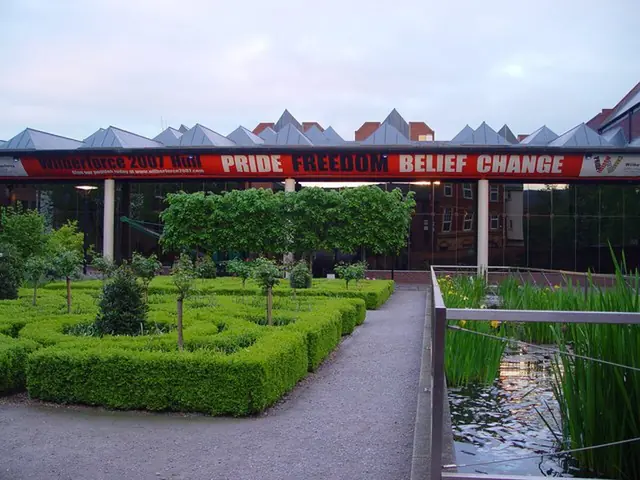
Streetlife Museum
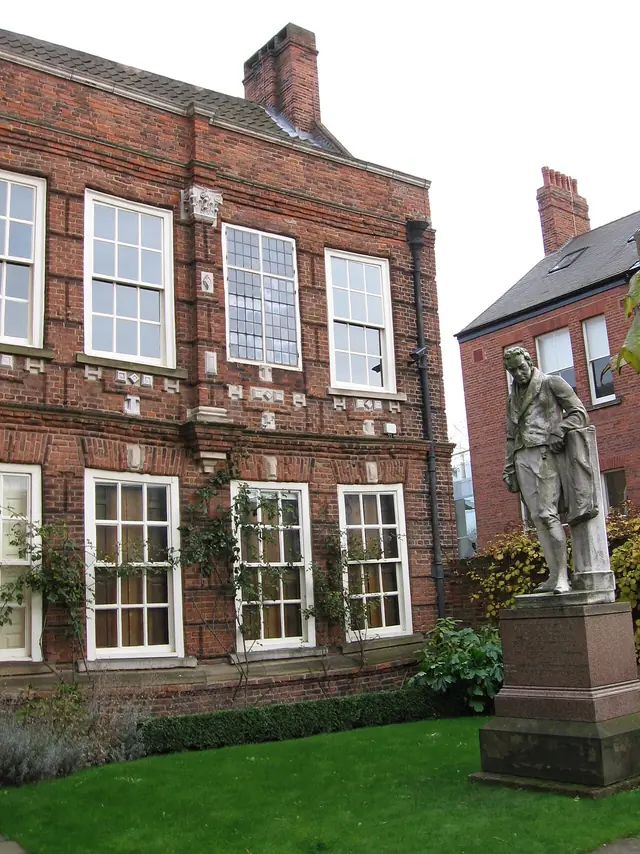
Wilberforce House Museum
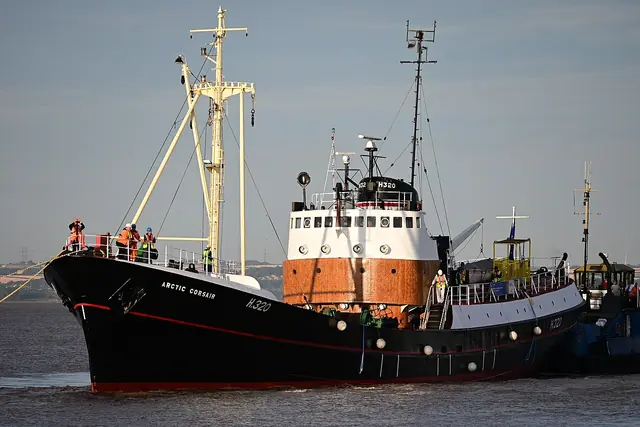
Arctic Corsair
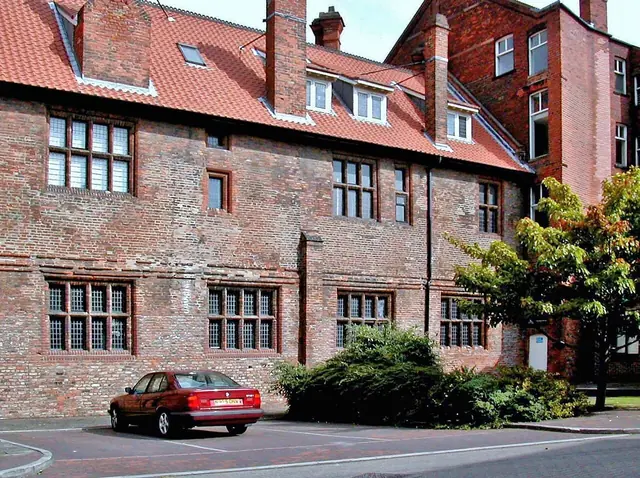
Hands on History Museum
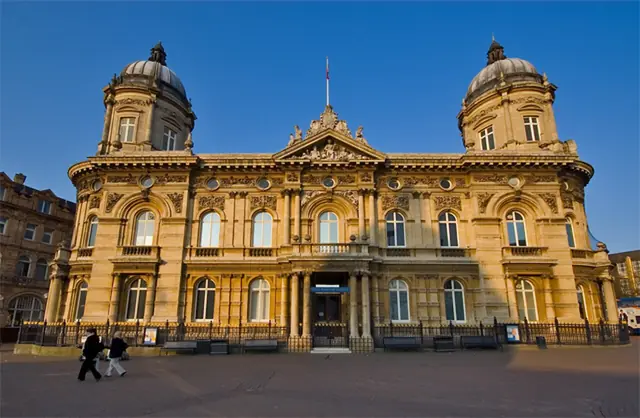
Hull Maritime Museum
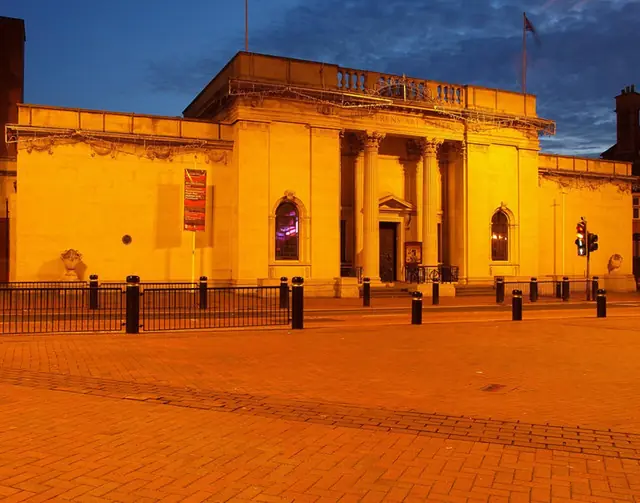
Ferens Art Gallery
All 7 museums in Hull All museums in Yorkshire and the Humber